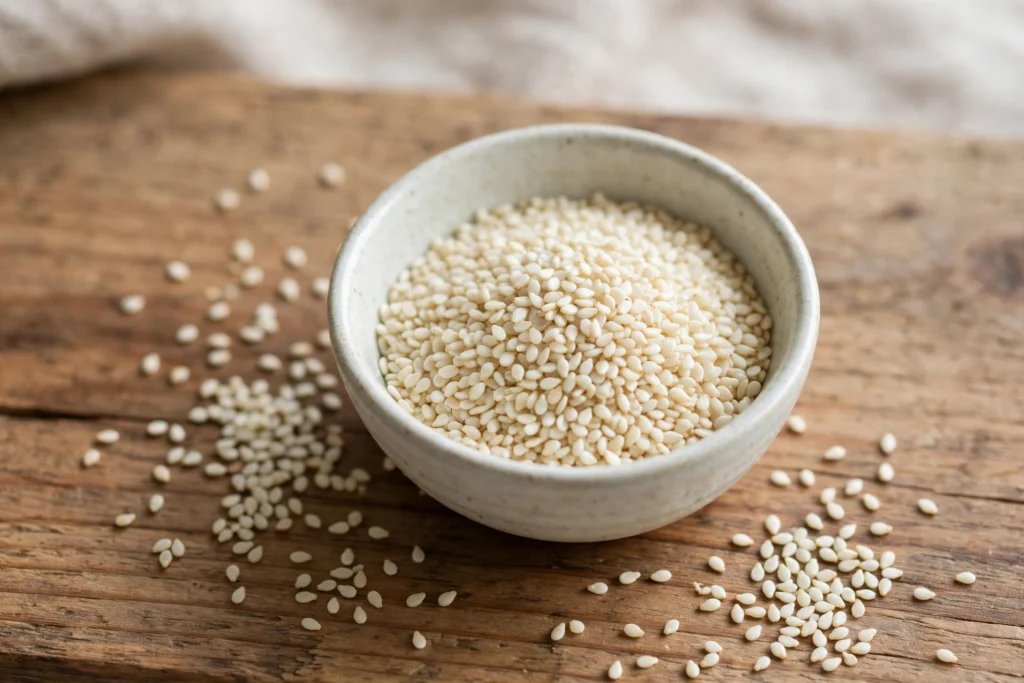

Sesame seed benefits for health are easy to miss because the seeds themselves are so small. A sprinkle on a bun, a spoonful of tahini in hummus, a drizzle of sesame oil in a stir fry — sesame shows up quietly in kitchens all over the world, and most of us never stop to ask what those tiny seeds are actually doing for us.
Sesame is one of the oldest crops humans have grown, cultivated for thousands of years in Africa and Asia. The seeds come in white, black, and brown varieties, and they are pressed for oil, ground into tahini, and scattered over breads and sweets. Behind their mild, nutty flavor sits a solid package of calcium, magnesium, iron, zinc, healthy fats, and plant compounds called lignans that have drawn real attention from researchers.
This article looks at what sesame seeds may do for your bones, heart, skin, and more, how much is worth eating, and the few cautions to keep in mind. The short version is that sesame earns its place in a healthy diet, and it is one of the easiest nutritious foods to add to meals you already cook.
1. Calcium for Strong Bones
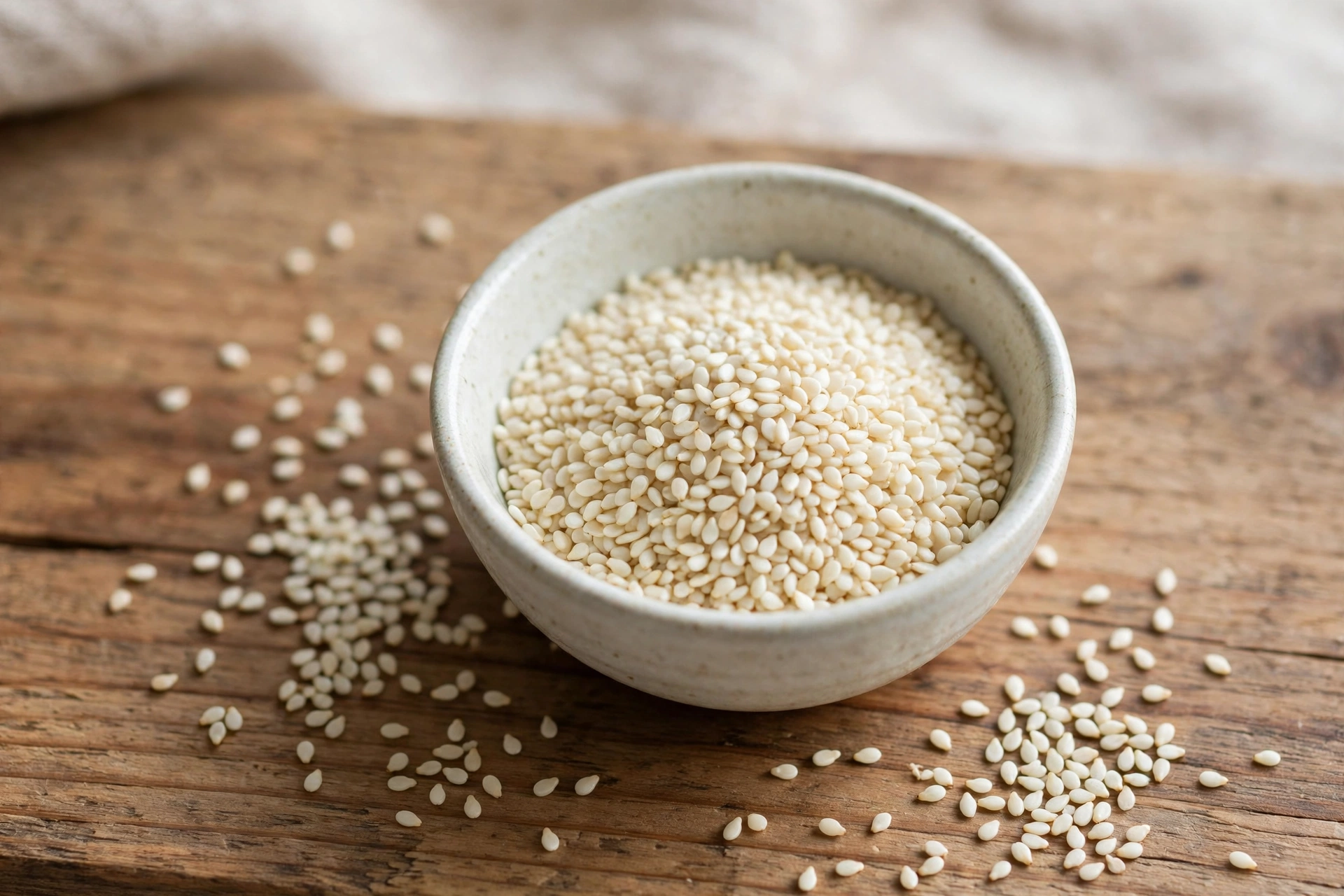
Sesame seeds are one of the richest plant sources of calcium. A tablespoon of whole sesame seeds contains around 90 milligrams of calcium, and the same amount of unhulled seeds can hold even more. That is a meaningful contribution toward the roughly 1,000 milligrams most adults need each day, especially for people who do not eat dairy.
Calcium gets most of the attention, but bones need a team of nutrients, and sesame brings several of them at once. Magnesium helps the body use calcium properly, zinc supports bone building, and phosphorus is part of the bone mineral itself. Sesame seeds contain all three. Studies suggest that diets rich in magnesium and zinc are linked to better bone density, though sesame alone cannot carry the whole job.
One detail worth knowing is that unhulled sesame seeds, the kind with the outer coat still on, hold more calcium than hulled seeds, because much of the calcium sits in that coat. Black sesame seeds are usually sold unhulled and are a good pick for this reason. Tahini made from unhulled seeds also keeps more calcium. If bone health is your main reason for eating sesame, choose unhulled seeds or unhulled tahini and eat them regularly rather than once in a while.
2. Heart-Friendly Fats and Cholesterol
Most of the fat in sesame seeds is unsaturated fat, including monounsaturated and polyunsaturated fats, and the seeds are a natural source of plant sterols, compounds that can help block some cholesterol absorption in the gut. Sesame oil has been used in cooking for centuries, and modern research has started to back up its reputation.
Small trials have found that people who ate sesame seeds or sesame oil daily for several weeks saw modest drops in total cholesterol and LDL cholesterol, the type often called bad cholesterol. The lignans in sesame, especially sesamin and sesamolin, seem to play a part by helping the liver process fats and by acting as antioxidants. One study found that sesame oil lowered blood pressure in people with high blood pressure when it replaced other cooking oils, though the study was small and the effect was modest.
None of this makes sesame a medicine for heart disease, and it should never replace prescribed treatment. What it does mean is that swapping sesame oil for butter or other saturated fats in cooking, and adding seeds to meals, is a heart-friendly choice that fits easily into normal eating. The fat in sesame is the good kind, and the seeds bring fiber and minerals along with it.
3. Blood Pressure Support
High blood pressure affects a huge share of adults, and diet is one of the main levers for keeping it in check. Sesame seeds contain magnesium, potassium, and calcium, three minerals that help blood vessels relax and that are all part of the DASH eating pattern doctors often recommend for blood pressure. A tablespoon of sesame seeds provides a useful amount of magnesium in particular.
The lignan sesamin has also been studied for blood pressure. Animal studies and a few small human trials suggest it may help blood vessels stay flexible, partly by supporting nitric oxide, a molecule that tells blood vessels to widen. The human evidence is still early, and the effects seen so far are small, so sesame should be viewed as one helpful piece of a blood-pressure-friendly diet, not a fix on its own.
What makes sesame practical here is how easily it fits into salty foods. Instead of reaching for extra salt, a spoonful of toasted sesame seeds on rice, noodles, or vegetables adds flavor and minerals at the same time. Sesame oil in a dressing can replace some of the salt and sugar in store-bought sauces. These are small swaps, and small swaps are the ones people actually keep doing.
4. Skin Health and Protection
Sesame oil has been rubbed into skin for centuries in Ayurvedic practice, and modern research gives some support to the tradition. The oil contains vitamin E, zinc, and lignans, and it has been studied for its ability to protect skin from oxidative damage. One laboratory study found that sesame oil blocked a meaningful share of UV rays, though it is nowhere near a replacement for sunscreen and should never be used as one.
Eating sesame seeds supports skin from the inside as well. Zinc helps skin heal and keeps oil glands working properly, and a shortage of zinc can show up as slow wound healing or skin irritation. Vitamin E protects the fats in skin cell membranes, and the healthy fats in sesame help the body absorb that vitamin E. Sesame seeds are not a skin treatment, but they supply several nutrients skin needs to maintain itself.
Black sesame seeds are often talked about in traditional medicine for hair health, and while the human evidence is thin, the nutrient logic is fair: the seeds contain iron, zinc, and copper, all of which play roles in hair growth and color. Hair loss has many causes, and sesame will not reverse it, but a diet short on these minerals does not help hair either.
5. Blood Sugar and Diabetes Support
Sesame seeds are very low in carbohydrates and contain fiber, protein, and fat, which together slow down digestion and help keep blood sugar steady after a meal. That makes them a useful addition to meals for people with type 2 diabetes or anyone trying to avoid blood sugar spikes. A spoonful of tahini in a dressing or a sprinkle of seeds on vegetables adds nutrition without adding sugar.
Some research has looked at sesame more directly. A few small trials in people with type 2 diabetes found that sesame oil, when used as the main cooking oil, was linked to better blood sugar control and improved cholesterol compared with other oils. Another trial found that sesame seed supplements helped lower fasting blood sugar. These studies are small, and sesame oil is not a diabetes treatment, but the pattern is consistent enough to be encouraging.
The practical takeaway is simple: sesame fits well into a blood-sugar-friendly plate. Tahini on roasted vegetables, sesame seeds on a salad, or sesame oil in a stir fry all add flavor and nutrients without the carbs that push blood sugar up. Pair them with fiber-rich foods and the effect is even steadier.
6. Joint Comfort and Inflammation
Sesame contains sesamin and other lignans that have shown anti-inflammatory effects in laboratory and animal studies. In one small trial, people with knee osteoarthritis who ate sesame seeds daily for two months reported less pain and better joint function than a comparison group, and their blood markers of inflammation also improved. The study was small, but it is one of the more interesting pieces of sesame research.
The seeds also provide copper and zinc, minerals involved in building and maintaining connective tissue, and magnesium, which supports muscle relaxation. None of this makes sesame a treatment for arthritis, and anyone with joint pain should still see a doctor. But foods with anti-inflammatory compounds are a reasonable part of a joint-friendly diet, and sesame is an easy one to add.
It is worth noting that inflammation is a slow, long-term process, so a single serving of sesame will not change how your knees feel tomorrow. The benefit, if there is one, comes from eating these foods regularly over months, as part of an overall pattern that includes vegetables, fish, whole grains, and less processed food.
7. Iron, Energy, and Everyday Nutrition
Sesame seeds are a useful plant source of iron, with a tablespoon providing around 1.3 milligrams. Iron carries oxygen in the blood, and low iron is one of the most common nutrient deficiencies in the world, especially among women and people who eat little meat. Plant iron is absorbed less efficiently than iron from meat, but eating it with vitamin C, for example sesame in a salad with lemon juice or peppers, improves absorption noticeably.
Sesame also provides B vitamins, including thiamine and vitamin B6, which help the body turn food into energy, plus copper, which helps the body use iron properly. A diet that includes a spoonful or two of sesame seeds most days covers small amounts of many nutrients at once, and that steady coverage is exactly what prevents the low-grade deficiencies that leave people feeling tired.
For vegetarians and vegans, sesame is a particularly handy food, since it supplies calcium, iron, and zinc, three nutrients that plant-based diets need to plan for. Tahini is one of the easiest ways to get all three in a single spoonful, and it works in dressings, sauces, dips, and even desserts. If you already enjoy foods like Flax Seeds Benefits (Nutrition, Uses, and Side Effects) or Chia Seeds Benefits (Nutrition, Uses, and How Much to Eat Daily), sesame belongs in the same rotation.
8. Antioxidant Lignans for Everyday Protection
Sesame seeds contain unique plant compounds called lignans, mainly sesamin and sesamolin, that you will not find in most other foods. These lignans have antioxidant activity, which means they help neutralize free radicals, the unstable molecules that damage cells and contribute to aging and chronic disease. Research has found that sesamin can raise levels of vitamin E in the blood by slowing down how fast the body breaks it down, which gives you more antioxidant protection from the vitamin E you already eat.
Animal and laboratory studies have found that sesamin supports liver health by helping the liver process fats and by reducing oxidative stress in liver cells. Human research is still early, and sesame is not a treatment for liver disease, but the pattern is encouraging. The lignans in sesame also seem to support healthy cholesterol by helping the liver clear LDL cholesterol more efficiently, which connects back to the heart benefits covered earlier.
It is worth keeping expectations honest. A spoonful of sesame seeds will not undo a poor diet, and the lignan research is still growing. But sesame is one of the only everyday foods that provides these particular compounds, and eating it regularly is an easy way to add them to your diet. Toasted sesame seeds on rice, tahini in a dressing, or sesame oil in a stir fry all deliver sesamin in a form your body can use, and that steady, small dose is exactly how food-based antioxidants work best.
How to Eat It
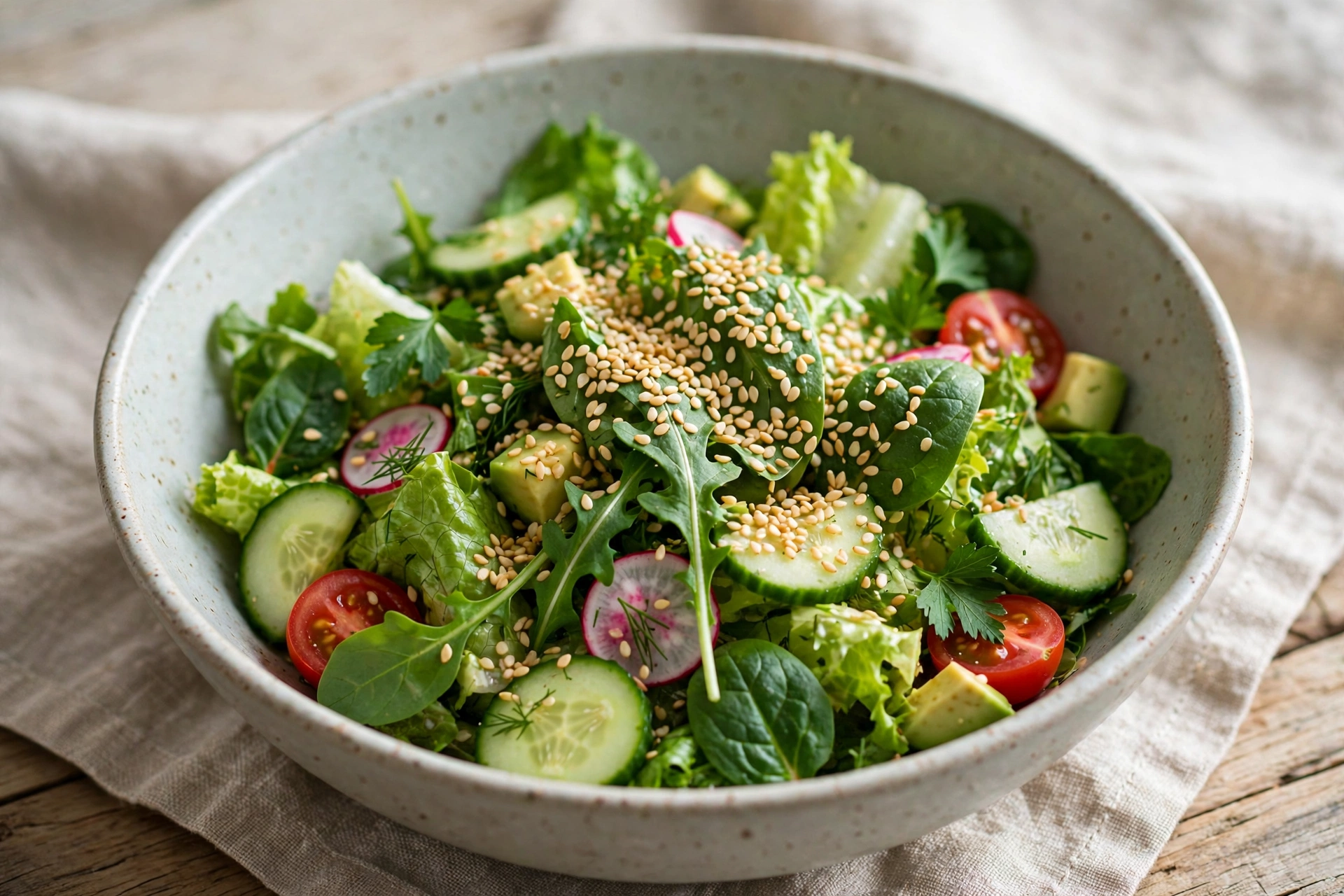
The easiest way to eat sesame seeds is to sprinkle them on food you already make: rice, noodles, salads, roasted vegetables, yogurt, or oatmeal. Toasting them lightly in a dry pan for two or three minutes brings out their nutty flavor and makes them taste much better. Store seeds in a sealed jar in a cool, dark place, since their oils can go stale.
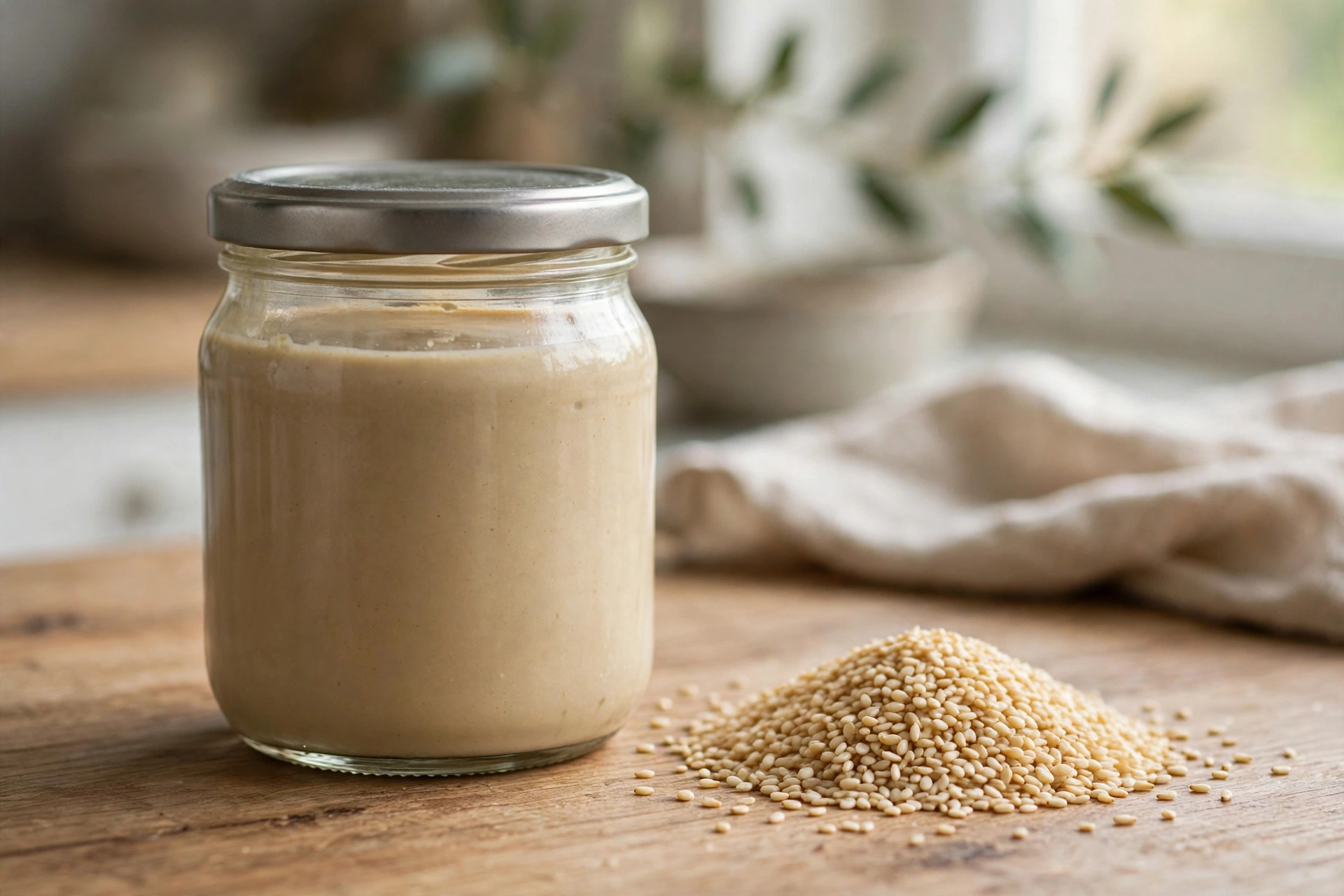
Tahini is the most versatile form. A spoonful thinned with lemon juice and water makes a quick dressing, and it is the base of hummus. Sesame oil is best used as a finishing oil or for light cooking, since high heat can damage its flavor and nutrients. A tablespoon or two of seeds, or a tablespoon of tahini, is a sensible daily amount. Black sesame seeds work well in smoothies, porridge, and desserts, and they look striking sprinkled over food.
Cautions
Sesame is one of the major food allergens, and sesame allergy is becoming more common. In the United States, sesame must now be listed as a major allergen on food labels. If you have never eaten sesame before, try a small amount first, and anyone with a known sesame allergy should avoid it completely, including tahini and sesame oil. Symptoms can include hives, swelling, stomach pain, and in rare cases, a severe reaction called anaphylaxis.
Sesame seeds are also calorie-dense, with a tablespoon carrying around 50 calories, so large amounts can add up. The seeds are high in fat, but it is mostly the healthy kind, so the issue is portion rather than the fat itself. People taking blood-thinning medication should mention sesame oil supplements to their doctor, since very large doses could in theory affect clotting, though normal food amounts are not a concern. Finally, sesame seeds contain oxalates, so people prone to calcium oxalate kidney stones may want to keep portions moderate and drink plenty of water.
FAQ
How much sesame should I eat a day?
One to two tablespoons of sesame seeds a day, or about a tablespoon of tahini, is a sensible amount for most people. That gives you a useful dose of calcium, magnesium, and healthy fats without adding too many calories. There is no need to eat large amounts to get the benefit.
Are black sesame seeds better than white?
Black sesame seeds are usually sold unhulled, so they tend to hold more calcium and a little more iron than hulled white seeds. They also contain anthocyanins, the dark pigments linked to antioxidant activity. White seeds are fine too, and the difference is modest, so use whichever you enjoy and can find easily.
Is tahini as healthy as whole sesame seeds?
Tahini is made from ground sesame seeds, so it keeps most of the nutrients, including calcium, magnesium, and healthy fats. Unhulled tahini keeps more calcium than tahini made from hulled seeds. Check the label for added oils or sugar, and choose plain tahini with sesame as the only ingredient.
Can sesame seeds help with bone health?
Sesame seeds are a good plant source of calcium, magnesium, zinc, and phosphorus, all of which support bones. They can help, especially for people who eat little dairy, but they are not a replacement for a full bone-health plan that includes enough calcium overall, vitamin D, exercise, and other foods. For another bone-friendly seed, see our guide to Pumpkin Seeds Benefits (Magnesium, Better Sleep, and Prostate Health).
Is sesame oil good for cooking?
Toasted sesame oil is best as a finishing oil because of its strong flavor and lower smoke point. Refined sesame oil can handle medium heat and works for sautéing and stir fries. Using sesame oil instead of butter or other saturated fats is a heart-friendly swap, and a little goes a long way for flavor.
Conclusion
Sesame seeds are small, cheap, and easy to use, and they bring a lot to the table: calcium for bones, healthy fats for the heart, magnesium and iron for energy, and lignans that researchers are still learning about. They are not a miracle food, and no single seed can carry your health on its own, but as part of a varied diet they earn their place. Toast a spoonful, stir tahini into a dressing, or drizzle sesame oil over dinner, and let this ancient seed do its quiet work.
Sources
Wikipedia — Sesame
Harvard Health Publishing — The benefits of seeds