
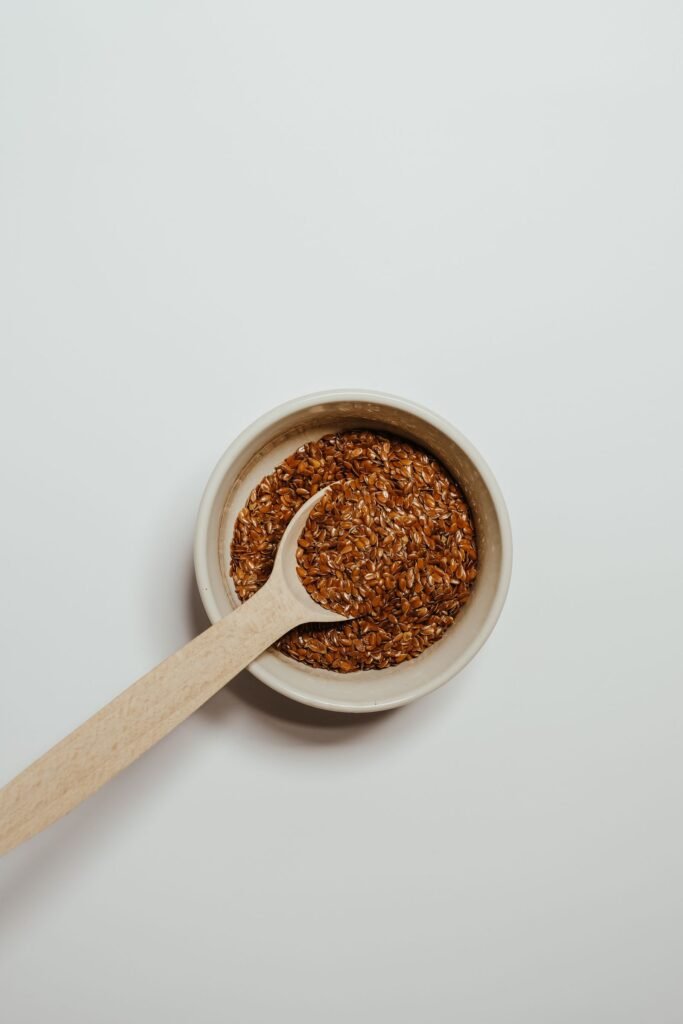

Flax seeds are tiny seeds with a long history. People have grown flax for thousands of years, first for its fibers used to make linen, and for just as long for its small brown or golden seeds. They look plain, but inside that hard shell is a rich mix of fiber, plant-based omega-3 fats, and protective plant compounds.
Today flax shows up in smoothie bowls, muffins, cereals, and health food aisles everywhere. That is not just a trend. Once you see what these seeds contain, it is easy to understand why so many people add them to their routine.
This article covers the real flax seeds benefits in plain, honest language: the nutrition, what the seeds may help support, how to use them well, how much is sensible, and who should be careful. No miracle promises, just useful facts.

Quick Benefits at a Glance
Here is a short summary of why flax seeds earn a place in a balanced diet:
- Rich in plant omega-3 fat called ALA, which helps support heart health
- Very high in fiber, which helps support comfortable, regular digestion
- A good source of lignans, plant compounds that act as antioxidants
- May help support healthy cholesterol levels already in the normal range
- Helps you feel fuller after meals, thanks to fiber and healthy fats
- Provides plant protein, magnesium, and B vitamins in a small serving
- Easy to stir into foods you already eat, from oatmeal to soups
- Affordable, widely available, and keeps well stored properly
What Is in Flax Seeds? The Nutrition
Flax seeds are calorie-dense for their size because they contain healthy oils, but a little goes a long way. The values below are approximate standard values, based on typical USDA-style data.
Nutrition per 100 grams (about 10 tablespoons) — approximate:
- Calories: about 534
- Protein: about 18 grams
- Total fat: about 42 grams, most of it unsaturated
- Alpha-linolenic acid (ALA, a plant omega-3): about 22 grams
- Carbohydrates: about 29 grams
- Fiber: about 27 grams
- Sugar: about 1.5 grams
- Magnesium: about 392 mg
- Phosphorus: about 642 mg
- Potassium: about 813 mg
- Calcium: about 255 mg
- Iron: about 5.7 mg
- Zinc: about 4.3 mg
- Thiamin (vitamin B1): about 1.6 mg
- Folate: about 87 mcg
Most people eat far less than 100 grams. One tablespoon of ground flax (about 7 grams) gives roughly 37 calories, 1.3 grams of protein, 3 grams of fat, about 1.6 grams of ALA, and nearly 2 grams of fiber. It is an easy top-up for a meal that might otherwise be low in fiber.
Two nutrients deserve a special mention. ALA is the plant omega-3 fat, and flax is one of its richest common sources. Your body converts only a small amount of ALA into the longer omega-3s found in oily fish, so flax works best as part of a varied diet, not a total replacement for other sources.
Lignans matter too. Flax contains far more lignans than most other plant foods. Lignans are polyphenols — plant compounds that act as antioxidants and that your gut bacteria convert into other active compounds.
May Help Support Heart Health
Several parts of the seed work together for the heart. ALA is linked in studies to supporting normal heart rhythm and healthy blood vessels. Soluble fiber helps the body manage cholesterol, and lignans may help protect blood vessels from oxidative stress, the wear and tear caused by unstable molecules called free radicals.
Flax seeds do not prevent heart disease and are not a treatment for any heart condition. Still, people who regularly eat foods rich in ALA, fiber, and plant compounds tend to have healthier heart-related markers overall. To actually get the ALA, use ground flax: whole seeds often pass through you undigested because their shell is tough.
A Friendly Boost for Digestion
If your digestion feels sluggish, fiber is usually the first place to look, and flax delivers plenty. It contains both types: insoluble fiber adds bulk and helps food move through your gut, while soluble fiber absorbs water and forms a soft gel that helps stools stay soft and regular.
Many people find this gentle gel soothing and helpful for staying regular without the harsh effect of some laxative products. Start slowly, though. Adding lots of fiber at once can cause gas and bloating while your gut adjusts, so begin with a teaspoon or two, drink water with it, and build up over a week or two.
Support for Healthy Blood Sugar
That same gel-forming fiber may help with blood sugar steadiness. By slowing how quickly a meal is digested, fiber helps sugars enter your bloodstream more gradually instead of in a sharp spike. The protein and healthy fats in flax slow digestion a little further.
Some small studies link regular flax intake to modest improvements in fasting blood sugar and insulin sensitivity. Results are not dramatic and research is still developing, so see flax as a helpful food choice, not a fix. If you take blood sugar medication, read the cautions below first.
May Help Support Healthy Cholesterol
The soluble fiber in flax can bind to some cholesterol-related compounds in the gut and help carry them out of the body. Your liver then uses more cholesterol from the blood to replace what was lost. Lignans and ALA may play supporting roles too.
Reviews of studies have found that ground flax, often around 2 to 3 tablespoons a day, is linked to modest reductions in total and LDL cholesterol in some groups, especially when starting levels were higher. The effect is small and is not a substitute for prescribed medication, but it is a sensible reason to include flax in a cholesterol-conscious diet.
If you like comparing seeds, our guide to chia seeds and their everyday health benefits is a good companion read, since chia and flax are often compared and both bring fiber and plant omega-3s to the table.

Plant Compounds That Protect Your Cells
Normal body processes create free radicals, molecules that can damage cells over time if they are not kept in balance. Antioxidants help keep that balance, and flax contributes lignans and other polyphenols that work in this protective way.
Lignans are also called phytoestrogens because, after gut bacteria process them, they can weakly interact with estrogen in the body. In normal food amounts this effect is very mild. Researchers study it partly for menopause comfort, but evidence is mixed: some women report fewer hot flashes with regular flax, others notice no change. That area is best described as promising but unsettled.
Feeling Fuller and Managing Your Weight
Flax will not melt weight away, and any food promising that should make you suspicious. What it can honestly do is help you feel satisfied. Fiber and fat slow digestion and send fullness signals, so breakfast with ground flax often keeps people comfortable longer than the same breakfast without it.
If you feel less hungry between meals, you may snack less without feeling deprived, and your daily calorie intake may settle naturally. If you track your intake as part of a weight plan, our calorie calculator can help you see how a tablespoon of flax fits your daily target. Portion awareness still matters: at about 55 calories per tablespoon of whole seeds, flax is nutritious but not calorie-free.
Skin, Hair, and Everyday Nourishment
Healthy fats and B vitamins play a quiet role in how skin and hair look and feel. People sometimes notice their skin feels less dry when they regularly eat omega-3-rich foods and drink enough water. This is gentle background support, not a beauty treatment, and results vary widely. Your skin is built from what you eat over weeks and months, and flax is one affordable way to supply good fats for that job.
Ground, Whole, or Oil — Which Form Is Best?
Whole seeds are cheapest and keep longest, but many pass through undigested. Grinding them at home in a coffee or spice grinder takes seconds and makes their nutrients available. Ground flax, or flaxseed meal, is the most practical choice for most people: it mixes smoothly into food and gives you fiber, lignans, and oils together.
Because its shell is broken, ground flax goes rancid faster. Buy modest amounts, store it airtight in the fridge or freezer, and use it within a few months. Flaxseed oil gives concentrated ALA but no fiber or lignans. It suits salad dressings, but keep it refrigerated and never cook with it at high heat.
For a useful contrast, our article on pumpkin seeds and their nutritional perks shows how seeds differ: pumpkin seeds bring more protein and zinc, while flax leads on ALA and lignans.
How to Add Flax Seeds to Your Diet
Ground flax has a mild, slightly nutty taste that disappears into most foods. Stir a tablespoon into oatmeal, porridge, or overnight oats. Blend it into smoothies, where it adds a little thickness. Mix it into yogurt with fruit, or sprinkle it over salads and soups just before serving.
In baking, replace a small part of the flour in muffins, pancakes, and breads with ground flax — up to about a quarter cup in a standard recipe — for extra fiber and moisture. Flax also makes a popular egg substitute: mix one tablespoon of ground flax with three tablespoons of water, let it gel for five minutes, and use it instead of one egg in hearty baked goods like muffins and veggie burgers.
Add flax near the end of cooking when you can, since long, high heat can damage some of its delicate fats. Pair it with enough fluid, because its fiber absorbs water. And store the bag where you will see it — the healthiest ingredient is the one you remember to use.
How Much Flax Per Day Is Sensible?
For most healthy adults, 1 to 2 tablespoons of ground flax per day is a sensible, well-tolerated amount. That provides roughly 3 to 6 grams of fiber (depending on whole or ground measure) and a meaningful dose of ALA without overwhelming your digestion or calorie budget. Many studies used amounts in this range, or slightly higher.
More is not automatically better. Very large amounts can cause bloating or loose stools and may interfere with absorption of some minerals and medicines. Children can eat small amounts in foods like muffins and oatmeal, but keep portions smaller and ask your child’s doctor if you plan to use it daily in larger amounts.
Side Effects and Who Should Be Careful
For most people eating normal food amounts, flax seeds are safe and well tolerated. Still, they are a concentrated, high-fiber food, and a few cautions are worth knowing.
Digestive discomfort is most common. Too much flax, or increasing intake too quickly, can cause gas, bloating, cramps, or loose stools. Ground flax taken without enough water can swell and feel uncomfortable. People with a narrowing of the esophagus or a bowel obstruction should avoid flax unless their doctor says otherwise.
Allergy to flax is uncommon but real, with possible itching, hives, swelling, or stomach upset. If you have known seed allergies, introduce flax cautiously. Trouble breathing after eating any food needs urgent medical help.
Medications deserve a mention. Flax can modestly affect blood sugar, blood pressure, and how quickly the gut absorbs things, so it may interact with diabetes medicines, blood pressure medicines, and blood thinners. Take medicines at least an hour before or two hours after a large serving, and ask your doctor or pharmacist about daily large amounts.
Two specific notes: flax naturally contains tiny amounts of compounds that can release cyanide in the body, but normal 1 to 2 tablespoon servings are well within safe levels for adults, and cooking reduces these compounds further; concern only arises with very large amounts of raw ground flax at once. Also, because lignans have mild estrogen-like activity, people who are pregnant, breastfeeding, or have a hormone-sensitive condition should check with their doctor before using large or supplement amounts, though ordinary culinary amounts are a lower concern.
This article is general information, not medical advice.

Frequently Asked Questions
Should I eat flax seeds whole or ground?
Ground is better for everyday use. Whole seeds often pass through intact, so you miss much of the omega-3 fat and lignans inside. Grinding them, or buying flaxseed meal, makes those nutrients available.
How should I store flax seeds?
Whole seeds keep for many months in a cool, dark cupboard in an airtight container. Ground flax should go in the fridge or freezer and be used within a few months. If it smells sharply bitter or like paint, it has gone rancid — throw it away.
Can I cook with flax seeds?
Yes, normal home cooking and baking are fine, and the fiber and lignans are fairly stable with heat. The delicate oils can suffer with very high heat or long frying, so add flax to oatmeal and soups near the end and never fry with flaxseed oil.
Do flax seeds help with constipation?
They can help many people, because their fiber and water-formed gel add bulk and softness that support regular bowel movements. Drink a full glass of water with flax and increase amounts gradually. Ongoing constipation deserves a talk with a doctor.
Are brown and golden flax seeds different?
Nutritionally they are very similar. Brown flax is most common and often cheaper; golden flax tastes slightly milder and suits light-colored baking. Both give comparable fiber, ALA, and lignans.
Can I eat flax seeds every day?
For most healthy adults, yes. One to 2 tablespoons of ground flax daily fits a balanced diet, and regular use is how its modest fiber and omega-3 benefits add up. Keep portions sensible, drink enough water, and separate large servings from medications.
Who should avoid flax seeds?
People with a flax or seed allergy should avoid them, as should anyone with a bowel obstruction or swallowing difficulty unless a doctor advises otherwise. If you are pregnant or take blood thinners, diabetes, or blood pressure medication, check with your doctor before eating large amounts daily.
Conclusion
Flax seeds show that healthy eating does not need to be complicated or expensive. A spoonful of ground flax quietly adds fiber, plant omega-3s, lignans, and minerals to meals you already love, supporting your heart, digestion, and overall nourishment over time.
Keep it simple: choose ground flax, store it cold, start with a tablespoon a day, and drink your water. Rotate it with other seeds and whole foods for variety. That steady, no-fuss habit is where the real flax seeds benefits live — not in a miracle claim, but in a small routine you can happily keep.


Pingback: Pumpkin Seeds Benefits (Magnesium, Better Sleep, and Prostate Health)
Pingback: Chia Seeds Benefits (Nutrition, Uses, and How Much to Eat Daily)
Pingback: Sesame Seed Benefits for Health (Bones, Heart, and Skin)