
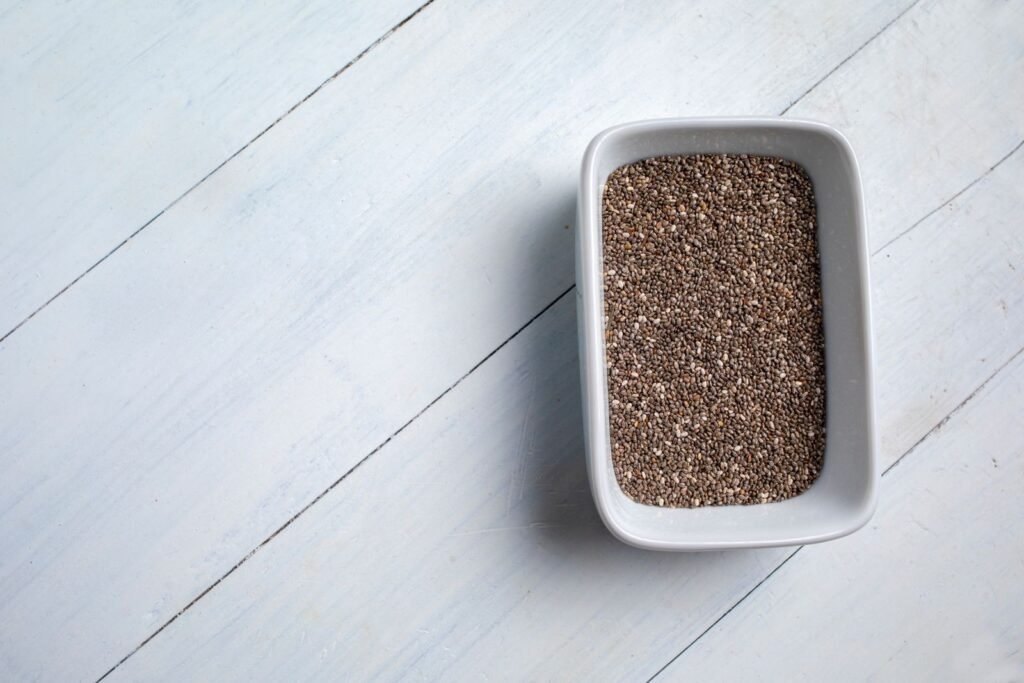

Chia seeds are tiny, but they have earned a big reputation. These small black and white seeds come from the Salvia hispanica plant, a flowering herb in the mint family that was a staple food in ancient Aztec and Mayan diets in Central America. For centuries they were valued as a lasting source of energy on long journeys, and today they have found a new life in smoothie bowls, puddings, and overnight oats all over the world.
What makes people care about them now is simple: for such a small serving, chia seeds pack a surprising amount of fiber, plant-based omega-3 fats, protein, and minerals. They are also incredibly easy to use. You do not need to cook them, grind them, or follow a complicated recipe to get started.
In this article, we will look at chia seeds benefits in an honest, balanced way — what the nutrition actually shows, where chia may help support your health as part of an overall healthy diet, how much to eat, and who should be a little careful. No miracle promises, just clear information you can use.

Quick Benefits at a Glance
If you are short on time, here are the main reasons people add chia to their meals:
- Very high in fiber, which may help support healthy digestion and regular bowel movements
- One of the richest plant sources of ALA omega-3 fats, which are linked in studies to heart health
- Provides a useful amount of plant protein for a seed, helping meals feel more satisfying
- May help slow down how quickly carbs are digested, which can support steadier blood sugar after eating
- Supplies calcium, magnesium, and phosphorus for bone health
- Absorbs liquid and forms a gel, which can help you feel fuller for longer
- Naturally gluten-free and easy to add to sweet or savory foods without changing the flavor much
- Contains antioxidants that help protect cells from everyday oxidative stress
Chia Seeds Nutrition: What Is in Them?
Chia seeds are nutrient-dense, meaning you get a lot of nutrition for the calories they provide. The values below are approximate standard values for dry chia seeds, based on typical USDA-style data.
Per 100 grams (about 10 tablespoons) of dry chia seeds:
- Calories: approximately 486 kcal
- Protein: approximately 16.5 g
- Total fat: approximately 30.7 g
- Of which ALA omega-3 fat: approximately 17-18 g
- Carbohydrates: approximately 42 g
- Fiber: approximately 34 g
- Sugars: less than 1 g
- Calcium: approximately 631 mg
- Magnesium: approximately 335 mg
- Phosphorus: approximately 860 mg
- Potassium: approximately 407 mg
- Iron: approximately 7.7 mg
- Zinc: approximately 4.6 mg
Per typical serving — 1 ounce / 28 grams / about 2 tablespoons:
- Calories: approximately 138 kcal
- Protein: approximately 4.7 g
- Fat: approximately 8.7 g
- Carbohydrates: approximately 12 g
- Fiber: approximately 9.8 g
That fiber figure is the headline. One small serving gives you roughly a third of the daily fiber most adults aim for, which is around 25 to 38 grams a day depending on age and sex. Most people do not get enough fiber, so a food like this can make a real practical difference — not because it is magic, but because it fills a common gap. Chia is also low in sodium, naturally cholesterol-free, and has a very mild, slightly nutty taste that mostly disappears into other foods.
High in Fiber for Digestive Health
Fiber is probably the best-known of all chia seeds benefits. Almost all of the carbohydrate in chia is fiber, and most of it is soluble fiber — the type that absorbs water and turns soft and gel-like in your stomach and gut.
That gel helps food move through your digestive system at a steadier pace. Many people eat chia to support regularity, and adding fiber gradually, with enough water, is a well-established way to help prevent occasional constipation. Fiber also feeds the friendly bacteria in your large intestine. When those bacteria ferment fiber, they produce compounds that help keep the gut lining healthy.
The key word here is gradually. If you are not used to much fiber and you suddenly eat a large amount of chia, you may feel bloated or gassy for a few days. Starting small and drinking water alongside it makes the transition much easier. We will cover sensible amounts later in this article.
A Strong Plant Source of Omega-3 Fats
Chia seeds are famous for their omega-3 content, and for good reason. The main type they contain is called ALA, short for alpha-linolenic acid — an essential fat your body cannot make on its own, so you have to get it from food.
ALA is linked in studies to supporting heart health as part of a balanced diet, including helping to maintain healthy cholesterol levels already in the normal range. It is important to be clear, though: ALA is not exactly the same as the EPA and DHA omega-3s found in oily fish. Your body can convert some ALA into EPA and DHA, but the conversion rate is quite low. That does not make chia any less valuable — it just means it works best as one part of a varied diet, not as a complete replacement for fish if you eat it.
If you follow a plant-based diet, chia is especially useful alongside other ALA-rich seeds. Many people rotate it with ground flaxseed for its own fiber and omega-3 benefits to keep breakfasts interesting and cover a slightly wider range of nutrients.
Plant Protein That Helps You Stay Full
With about 4.7 grams of protein in a 2-tablespoon serving, chia will not replace a main protein food like lentils, eggs, or chicken, but it does give a helpful boost to foods that are otherwise low in protein — like fruit smoothies, oatmeal, or yogurt.
Protein and fiber together are a powerful combination for satiety, which is the feeling of being comfortably full after eating. Because chia absorbs up to 10 times its weight in water and expands in your stomach, a chia pudding or a drink with chia tends to feel more substantial than the same food without it.
That is one reason chia is popular with people who are watching their weight. It does not burn fat or promise weight loss on its own, and no single food can do that. But a breakfast that keeps you full until lunch can make it easier to avoid constant snacking. If you are working out your daily energy needs as part of a balanced eating plan, our calorie calculator can give you a simple starting estimate to plan around.
May Help Support Steadier Blood Sugar After Meals
When chia seeds soak in liquid — whether that is in a pudding, in your stomach, or mixed into porridge — they form a thick gel. That gel can slow down how quickly your body breaks down carbohydrates and absorbs sugar from a meal.
Some small studies have found that adding chia to a meal is linked to a more gradual rise in blood sugar afterward, compared with the same meal without chia. The evidence is promising but still preliminary, and chia is not a treatment for diabetes or any other condition. Think of it as a helpful dietary habit: pairing carbs with fiber, protein, and healthy fats is a sensible strategy that many dietitians recommend for steadier energy.
If you have diabetes or take blood-sugar-lowering medication, it is worth mentioning any major diet change to your care team, because adding a lot of fiber can affect how you respond to food and medicine. More on that in the cautions section below.
Nutrients That Support Bone Health
Chia seeds contain several minerals your bones need. Per ounce, they provide a notable amount of calcium — roughly 18% of the daily value — along with phosphorus and magnesium, which work together with calcium to build and maintain bone structure.
For people who do not drink milk or eat much dairy, that calcium contribution is genuinely useful. A smoothie made with fortified plant milk, chia, and leafy greens, for example, can add up to a bone-friendly meal without much effort.
Strong bones still depend on your whole diet, vitamin D status, and regular weight-bearing activity like walking or resistance exercise, not on any one seed. Chia can contribute, but it is a supporting player, not the whole team.
Antioxidants for Everyday Cell Protection
Chia seeds contain several antioxidant compounds, including chlorogenic acid, caffeic acid, quercetin, and kaempferol. Antioxidants are substances that help protect your cells from damage caused by free radicals — unstable molecules produced during normal metabolism and by things like pollution and sunlight.
You do not need to memorize those names. The practical takeaway is that eating a variety of colorful plant foods, seeds, fruits, and vegetables gives your body a broad mix of these protective compounds. Chia is one easy way to add to that mix, and its antioxidants also help protect its own delicate omega-3 fats, which is why whole chia seeds keep well for months in a cool, dry place.
Hydration and Energy for Active Days
Long before chia was a supermarket health food, it was used by runners who needed food that was light to carry and slow to run out. The gel chia forms holds water, and eating it with liquid can help you start exercise hydrated and with a slow-releasing source of energy.
A chia drink — water, a squeeze of lime or lemon, a little honey or fruit juice, and a tablespoon of seeds left to swell for 15 minutes — is sometimes called chia fresca. It is refreshing and lightly filling before a morning walk or workout. It will not replace electrolytes after very long, sweaty exercise, but for everyday activity it is a pleasant, practical option.

How to Eat Chia Seeds: Simple Ideas That Actually Work
One of the nicest things about chia is how little effort it takes. The seeds have almost no flavor of their own, so they slip into foods you already eat.
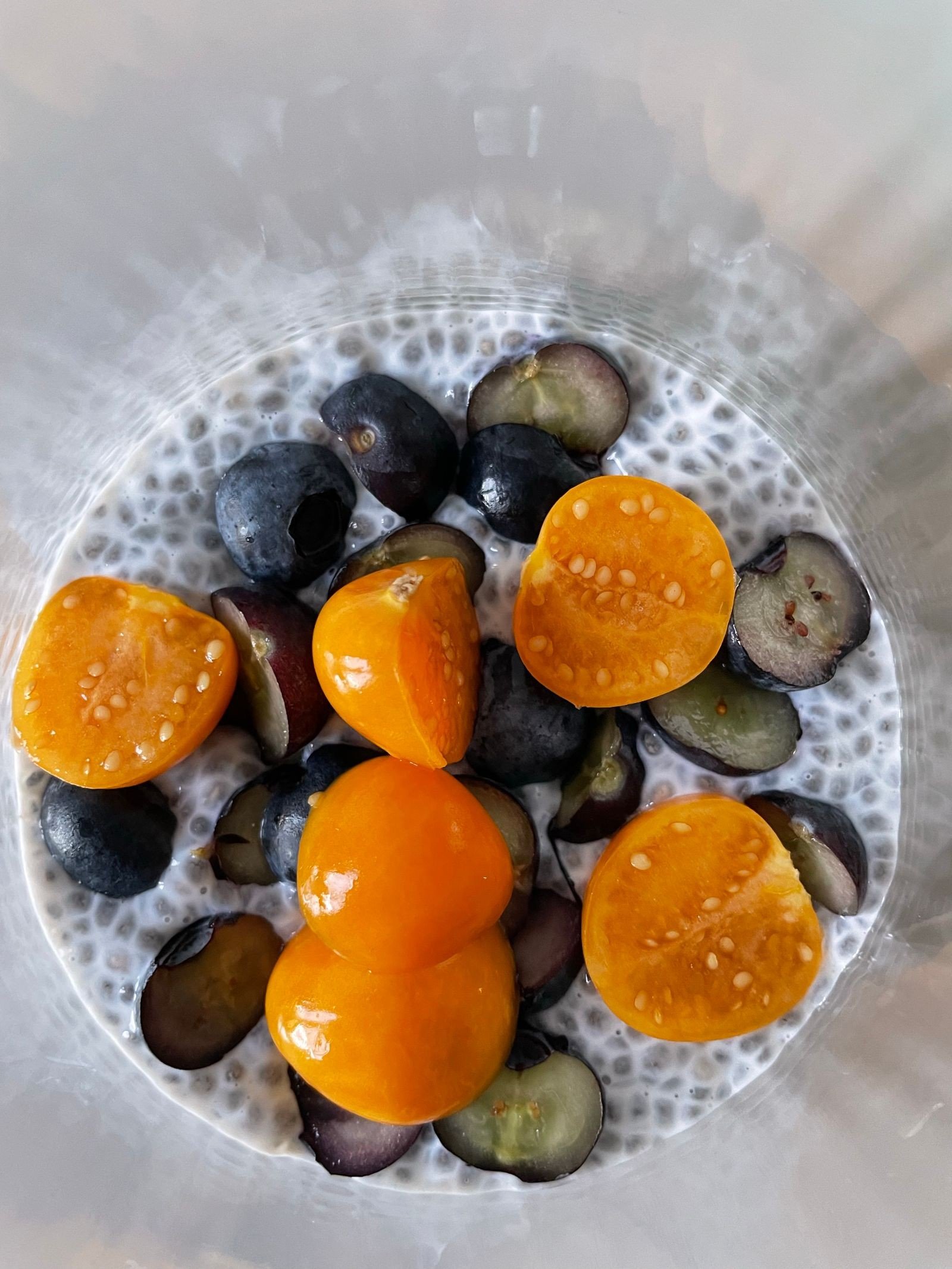
Chia pudding: Mix 3 tablespoons of chia with about 3/4 cup of milk or a plant-based alternative, add a little vanilla, cinnamon, or cocoa, sweeten lightly if you like, stir well, and refrigerate for at least 2 hours or overnight. Top with berries, sliced banana, or a spoonful of nut butter in the morning.
Overnight oats and porridge: Stir a tablespoon into oats before soaking. It thickens the texture and adds fiber and protein. If you already enjoy oats for breakfast, you may also like reading about oats and their benefits for everyday health to build a more filling morning bowl.
Smoothies and yogurt: Add 1 to 2 tablespoons directly to a smoothie and blend, or stir into yogurt and let it sit for 10 minutes so it thickens slightly. This is a good option if you do not love the texture of a full pudding.
Baking and cooking: Chia works well in muffins, banana bread, energy balls, and homemade granola bars. It can also be used as an egg replacer for some baking: mix 1 tablespoon of ground chia with 3 tablespoons of water, let it gel for 10 to 15 minutes, and use it in place of one egg in hearty recipes like pancakes or muffins. Results vary, so it works best in rustic bakes rather than delicate cakes.
Savory uses: Sprinkle a teaspoon over salads, soups, rice bowls, or avocado toast for a gentle crunch, or stir soaked chia into sauces and dressings as a mild thickener. Start with small amounts in savory food until you know you like the texture.
A quick tip: when making pudding, stir twice — once right away and again after 5 minutes. That prevents clumps and gives you a smooth, even gel.
How Much Chia Should You Eat Per Day?
For most healthy adults, a sensible amount is 1 to 2 tablespoons (about 15 to 28 grams) per day to start, working up to 2 to 3 tablespoons if you enjoy it and your digestion feels comfortable. That amount gives you most of the fiber and omega-3 benefits without overdoing calories or fiber all at once.
You do not need to eat chia every single day to benefit. A few servings a week, rotated with other seeds, nuts, and fiber-rich foods, fits perfectly well into a healthy pattern.
If you are new to chia, start with 1 teaspoon to 1 tablespoon a day for the first week in a smoothie or yogurt. If you feel fine, move to 1.5 to 2 tablespoons. Drink a glass of water with your meal, especially if you are eating the seeds dry or only lightly soaked. Children can eat chia too, but in smaller portions — roughly 1 teaspoon to 1 tablespoon depending on age and appetite — and always served soaked or mixed into wet food, not dry by the spoonful.
More is not always better. Very large amounts add a lot of fiber quickly and can leave you feeling uncomfortably full, bloated, or constipated if you do not drink enough fluid.
Side Effects and Who Should Be Careful
Chia seeds are safe for most people when eaten in normal food amounts, but they are not right for everyone in every situation. A few honest cautions are worth knowing.
Digestive discomfort: The most common issue is gas, bloating, or stomach cramps from adding too much fiber too fast. This usually settles when you reduce the portion, soak the seeds well, and increase slowly.
Always add liquid: Dry chia absorbs a lot of water and expands. Swallowing a spoonful of dry seeds and then drinking water has, in rare reported cases, caused problems for people with swallowing difficulties, because the seeds can swell in the throat. To be safe, soak chia before eating it or mix it thoroughly into wet foods like porridge, yogurt, or smoothies — especially for children and anyone who has trouble swallowing.
Allergies: Chia allergy is uncommon, but it can happen. People with allergies to sesame or mustard seeds may be more likely to react to chia. Stop eating it and seek medical advice if you notice itching, hives, swelling, or difficulty breathing after eating chia.
Blood pressure and blood sugar medicines: Chia may have a mild effect on blood pressure and blood sugar in some people. If you take medication for diabetes or high blood pressure, or blood-thinning medication, talk to your doctor before making chia a large, daily habit. This is not a reason to fear the food — it is a reason to keep your care team in the loop when your diet changes.
Kidney concerns: Chia contains phosphorus and potassium, which is fine for most people but may need to be watched if you are on a restricted diet for kidney disease. If that applies to you, check with your clinician about suitable portions.
Calories add up: At around 138 calories per ounce, chia is healthy but energy-dense. If you add it on top of your usual meals without adjusting anything else, the extra calories can quietly add up over time.
This article is general information only and is not medical advice. If you have a medical condition, are pregnant, or take regular medication, please check with your own doctor or dietitian about what is right for you.
Frequently Asked Questions
Do chia seeds need to be soaked before eating?
No, they do not have to be soaked, and you can sprinkle them dry over salads or blend them into smoothies. Soaking them in water, milk, or yogurt for at least 15 to 20 minutes does make them easier to digest for many people and helps you avoid swallowing dry, expanding seeds. If you eat them dry, have a drink of water with your meal.
Are chia seeds good for weight loss?
Chia seeds are not a weight-loss product and will not cause weight loss on their own. Their fiber and protein may help you feel fuller, which some people find helpful for eating more mindfully and snacking less between meals. Lasting weight management still depends on your overall diet, portions, activity, and sleep.
What is the difference between black and white chia seeds?
Almost nothing, nutritionally. Black and white chia seeds have very similar fiber, protein, and omega-3 content, and any tiny differences are not meaningful in a normal serving. Choose whichever you prefer or whichever is better value — many bags contain a mix of both.
Can I eat chia seeds every day?
Yes, most healthy adults can eat chia daily in a modest portion of 1 to 3 tablespoons. Varying your seeds and fiber sources — with oats, flax, nuts, beans, and vegetables — is still a good idea, because different foods feed your body and your gut bacteria in slightly different ways. If daily chia causes ongoing bloating, cut back or take a break.
Do chia seeds expire or go bad?
Whole dry chia seeds keep well for a long time — often 2 years or more in a sealed container in a cool, dark cupboard — because their antioxidants protect their fats. If they smell bitter, rancid, or unusually musty, it is best to throw them out. Soaked chia and chia pudding should be kept in the fridge and eaten within 4 to 5 days.
Are chia seeds gluten-free?
Yes, chia seeds are naturally gluten-free, which makes them a useful fiber and protein boost for people with celiac disease or those avoiding gluten. If you need to be strictly gluten-free, look for a bag that is certified gluten-free to reduce the risk of cross-contact during packing. As always, check the label if you have a serious allergy or condition.
Can children and pregnant women eat chia seeds?
In normal food amounts, chia is generally considered suitable during pregnancy and for children, and it provides useful nutrients like fiber, calcium, and ALA. Serve it to children soaked or mixed into wet food, in small portions suited to their age. If you are pregnant and considering large daily amounts, a quick check with your midwife or doctor is a sensible step.
Conclusion
Chia seeds live up to a good part of their reputation — not as a miracle, but as a genuinely nutritious, versatile little food. A couple of spoonfuls can add a big dose of fiber, a meaningful amount of plant omega-3s, and a helpful mix of protein and minerals to meals you already enjoy, from puddings and porridge to smoothies and bakes.
The smartest way to enjoy chia seeds benefits is the simplest: start small, soak them or mix them into wet foods, drink enough water, and let them be one good habit among many. Balanced meals, varied plant foods, regular movement, and enough sleep will always matter more than any single seed — but as supporting habits go, chia is an easy one to keep.

Pingback: Flax Seeds Benefits: Nutrition, Uses and Side Effects
Pingback: Oats Benefits for Health: Cholesterol, Weight and Energy