
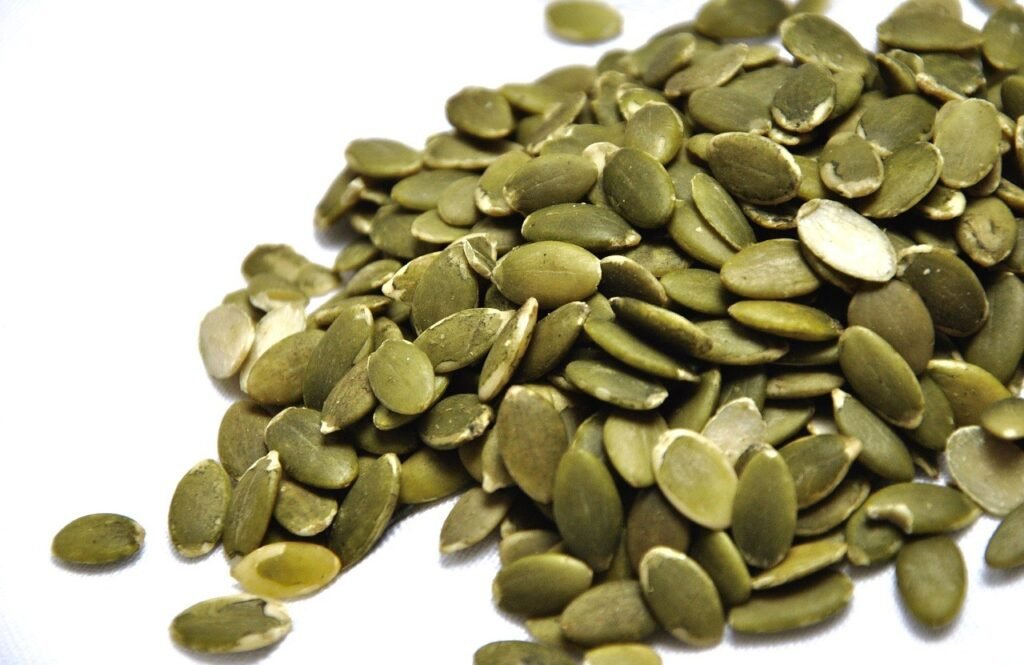

If you have ever scooped the seeds out of a pumpkin and thrown them straight in the bin, you are not alone. Yet those flat little seeds — and the deep green kernels inside them, often sold as pepitas — are one of the most nutritious snacks you can keep in your cupboard. They are crunchy, mildly nutty, and work just as well sprinkled over breakfast as eaten by the handful in the afternoon.
Pumpkin seeds have been eaten for centuries in Mexico and other parts of the Americas, where pumpkins first grew. People reach for them for better sleep, healthy bones, a stronger heart, and, for men in particular, support for prostate health.
This article takes an honest look at pumpkin seeds benefits — what they genuinely provide, where the evidence looks promising, and where it is still early or mixed. No miracle claims here, just a small, affordable food with an unusually good nutrition profile.
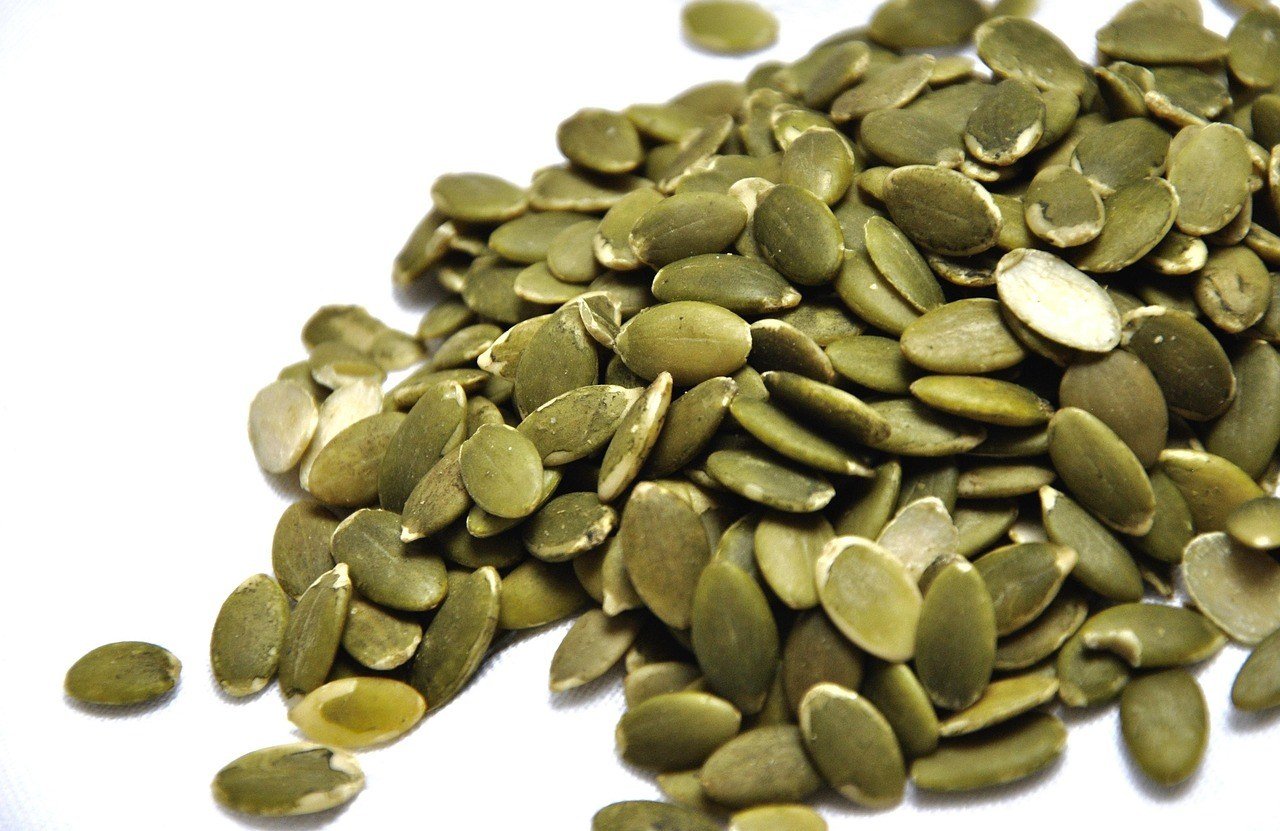
Quick Benefits at a Glance
- One of the richest everyday food sources of magnesium, a mineral many adults do not get enough of
- A good plant source of protein, with about 7 grams in a small handful
- Provides healthy unsaturated fats that may help support heart health
- Contains zinc, which supports the immune system and is concentrated in a healthy prostate
- Contains tryptophan and magnesium, two nutrients linked to normal, healthy sleep
- Naturally rich in antioxidants and plant compounds such as phytosterols
- Satisfying and filling, so a small portion can help you feel full between meals
- Versatile and shelf-stable — no cooking required, and they keep well for months
What Is Actually in Pumpkin Seeds? The Nutrition
Pumpkin seeds are small but energy-dense — a lot of nutrition packed into a small serving, mostly from healthy fats and protein. The figures below are approximate standard values for dried kernels (pepitas, without the shell), based on typical USDA-style data.
Nutrition per 100 grams of pumpkin seed kernels (approximate):
- Calories: about 560 kcal
- Protein: about 30 g
- Total fat: about 49 g (mostly unsaturated; roughly 9 g saturated)
- Carbohydrates: about 11 g
- Fiber: about 6 g
- Magnesium: about 590 mg
- Phosphorus: about 1,230 mg
- Potassium: about 810 mg
- Zinc: about 7.8 mg
- Iron: about 8.8 mg
- Manganese: about 4.5 mg
- Copper: about 1.3 mg
- Vitamin K: about 7 micrograms
- Vitamin E: about 2 mg
In everyday terms, a serving of about 28 grams (1 ounce, a small handful of kernels) provides around 155–160 calories, 7 grams of protein, and close to 170 mg of magnesium — roughly 40% of what most adults need in a day. Few common foods deliver so much of this mineral in such a small portion. Whole seeds in their cream-colored shell add extra fiber but are tougher to chew; the shelled green kernels (pepitas) are the form used in most recipes and in the figures above.
A Standout Source of Magnesium
If there is one reason nutrition professionals rate pumpkin seeds so highly, it is magnesium. This mineral is involved in hundreds of processes in your body, including muscle and nerve function, blood pressure regulation, blood sugar control, and building bone. Yet surveys in the United States regularly suggest that many adults fall short of the recommended intake, partly because modern diets lean on refined grains, which have had much of their magnesium stripped away.
Pumpkin seeds help close that gap in a practical way: they are shelf-stable, need no preparation, and a spoonful or two added to food you already eat is an easy habit to keep. Magnesium from food is generally considered safe for healthy people, since your kidneys clear what you do not need — concerns you may have read about apply mainly to high-dose supplements. Getting enough magnesium is linked in studies to better overall health, but that is different from saying the seeds treat any condition. Think of them as a dependable building block in a varied diet, not a medicine.
May Help You Sleep More Soundly
Many people eat pumpkin seeds in the evening, and there is a sensible nutritional reason behind the habit. Pumpkin seeds contain tryptophan, an amino acid (a building block of protein) that your body uses to make serotonin and then melatonin — the hormone that helps regulate your sleep and wake cycle. They also provide magnesium and zinc, both involved in normal sleep regulation.
Some small studies on tryptophan-rich foods suggest they may help support sleep quality, especially alongside regular sleep times and less screen light at night. The research specific to pumpkin seeds is still limited, so see a small evening handful as gentle, food-based support rather than a solution for insomnia. Keep it unsalted or lightly salted, too — a heavy, salty snack can leave you thirsty and uncomfortable at bedtime.
Support for Prostate Health
Prostate health is one of the most talked-about pumpkin seeds benefits for men, and it has some tradition behind it. Pumpkin seed preparations have been used for generations in parts of Europe for urinary comfort, and pumpkin seed oil and extracts are still sold for that purpose today. There are plausible reasons researchers are interested: the seeds are a good source of zinc, and the prostate normally holds some of the highest zinc concentrations in the body. They also contain phytosterols — plant compounds similar in structure to cholesterol — including delta-7-sterine, studied in relation to prostate tissue. Some studies of pumpkin seed oil or extracts in men with benign prostatic hyperplasia (BPH, the non-cancerous prostate enlargement common with age) have reported modest improvements in urinary symptoms.
The evidence is promising but not conclusive, and most of it involves concentrated oils or extracts rather than a handful of seeds at lunch. The seeds fit well in a prostate-friendly eating pattern, alongside vegetables, tomatoes, and oily fish — but they are not a treatment for BPH, and difficulty urinating always deserves a medical check.
Heart-Friendly Fats and Blood Pressure Support
Most of the fat in pumpkin seeds is unsaturated, including linoleic acid, an omega-6 fatty acid, along with some monounsaturated fat. Replacing saturated fats in your diet with unsaturated fats is a well-established step that may help support healthy cholesterol levels, and pumpkin seeds make that swap easy — think seeds on a salad instead of cheese or processed meat toppings.
The seeds may support the heart in other quiet ways, too. Their magnesium and potassium both play roles in healthy blood pressure control, and they are a source of arginine, an amino acid your body uses to make nitric oxide, which helps blood vessels relax and widen. One caution: salted pumpkin seeds can be high in sodium, which is closely tied to raised blood pressure, so unsalted or lightly salted versions are the smarter everyday choice.
Antioxidants That Help Protect Your Cells
Pumpkin seeds contain vitamin E, carotenoids, and phenolic compounds — natural plant substances that act as antioxidants, helping to neutralize free radicals that can damage cells over time. No single food can cancel out that process, but diets rich in antioxidant-containing whole foods are consistently associated with better long-term health in population studies, and pumpkin seeds earn their place in that pattern.
Plant Protein, Blood Sugar, and Staying Full
With about 7 grams of protein per ounce, pumpkin seeds are one of the better protein sources in the seed world, and they contain all nine essential amino acids, though some in modest amounts. If you are looking for other protein-rich plant foods to rotate with them, the guide to almonds and their everyday health benefits is a good companion read, since almonds bring vitamin E and calcium that pumpkin seeds lack.
The combination of protein, fat, and fiber also makes pumpkin seeds genuinely filling, and it slows down how quickly a meal raises your blood sugar. Some early research on pumpkin and its seeds points in a supportive direction for blood sugar control — though it is preliminary and should not replace any diabetes care plan. As for body weight, a filling snack can help you avoid less nutritious grazing later, but the seeds are calorie-dense, so portions still matter.
Bones, Immunity, and Everyday Resilience
Magnesium and phosphorus both contribute to normal bone structure, and pumpkin seeds supply both, along with small amounts of calcium and vitamin K. Seeds alone will not protect you from bone loss, but alongside dairy or fortified alternatives, leafy greens, and regular weight-bearing exercise, they play a useful supporting role.
Zinc deserves a mention here as well. It is essential for a normally functioning immune system, for wound healing, and for your senses of taste and smell, and an ounce of pumpkin seeds covers a meaningful share of your daily needs — handy in winter, or if you eat little meat. If you enjoy mixing seeds, you might also like the overview of flax seeds and their fiber and omega-3 benefits, since flax brings plant omega-3 fats that pumpkin seeds have only in small amounts.
How to Eat Pumpkin Seeds
The easiest way to enjoy them is as a snack, straight from the packet. Roasting at home takes 10–15 minutes in a medium oven and deepens the flavor; toss them with smoked paprika, garlic powder, cinnamon, or a little chili for variety.
Beyond snacking, they slip into everyday meals with almost no effort:
- Sprinkle over salads, grain bowls, and roasted vegetables for crunch
- Stir into oatmeal, yogurt, or overnight oats at breakfast
- Blend into smoothies — the kernels disappear into the mix and add body
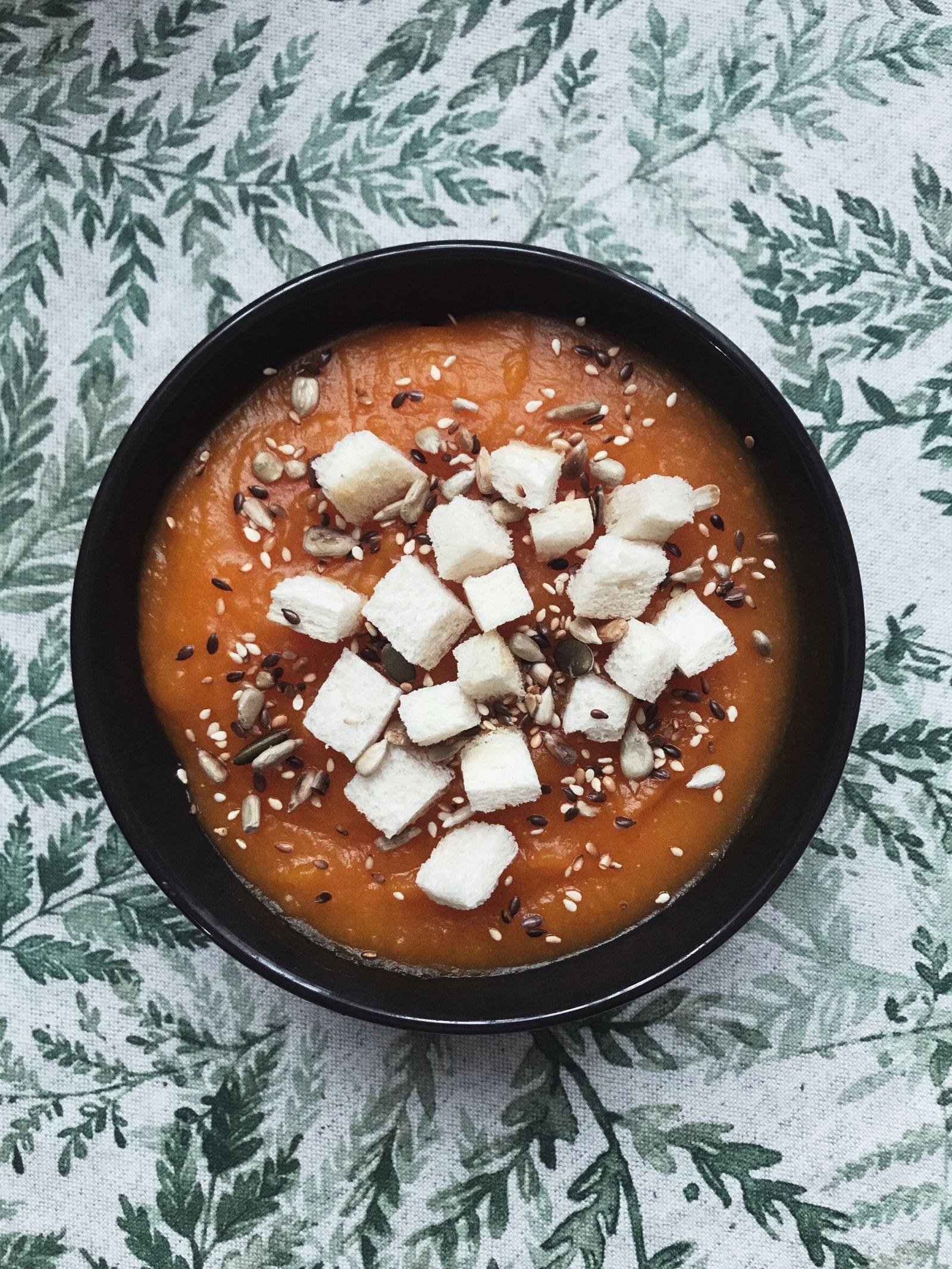
- Scatter over soups, especially tomato, squash, or lentil soup, just before serving
- Mix into homemade granola, trail mix, or flapjacks with dried fruit and nuts
- Blend into a pesto-style sauce with basil, garlic, lemon, and olive oil
If you are carving a fresh pumpkin, do not throw the seeds away: rinse them, pat dry, toss with a little oil and salt, and roast until crisp and golden. Store all pumpkin seeds in an airtight container in a cool, dark cupboard, or in the fridge or freezer if you buy in bulk.
How Much Per Day Is Sensible?
For most adults, about 28–30 grams a day — roughly 1 ounce, or a small handful of kernels (about 2½ to 3 tablespoons) — is a sensible everyday portion. That amount delivers the magnesium, zinc, and protein benefits described above for around 160 calories, which fits comfortably into most eating patterns.
Much beyond 50 grams daily, the calories add up quickly, and very large amounts of any high-fiber seed can leave you bloated. Portion them into a small bowl rather than eating from a large bag, so the handful stays a handful.
Side Effects and Who Should Be Careful
Pumpkin seeds are safe for most people in normal food amounts, but a few honest cautions apply:
- Allergy: Seed allergies are uncommon but real, ranging from an itchy mouth to, rarely, more serious symptoms. If you are allergic to pumpkin, squash, melon, or cucumber — plants in the same family — or react to other seeds, take care and stop if you notice symptoms.
- Digestive discomfort: The fiber and fat can cause gas, bloating, or loose stools if you eat a lot at once, especially if your diet is usually low in fiber. Start with a tablespoon or two, build up gradually, and chew well.
- Calories: At about 560 calories per 100 grams, generous handfuls add up fast. People managing their weight may prefer to measure portions, at least at first.
- Salt: Heavily salted roasted seeds can contribute a lot of sodium. Choose unsalted versions if you have high blood pressure or have been advised to cut back on salt.
- Choking risk: Whole seeds in their shells are not suitable for very young children. Offer ground seeds or smooth seed butter instead, and supervise young children eating any seeds.
- Medical conditions and medicines: If you have a prostate condition, diabetes, or low blood pressure, pumpkin seeds can sit happily in your diet, but they should not replace prescribed treatment. People taking medication for blood pressure or blood sugar should keep portions consistent rather than swinging between none and a lot.
- Pregnancy and breastfeeding: Pumpkin seeds in normal food amounts are generally considered fine, but concentrated pumpkin seed oils and supplements have not been well studied in pregnancy, so food portions are the sensible choice.
This article is general information about a common food, not medical advice. If you have a health condition or take regular medication, check with your own doctor or dietitian about what is right for you.

Frequently Asked Questions
Are pumpkin seeds better raw or roasted?
Both are nutritious. Roasting improves flavor and crunch, while very high heat for a long time may reduce a little of the vitamin content. Lightly roasted or raw, pick the one you will actually enjoy eating regularly.
Can I eat pumpkin seeds every day?
Yes, for most healthy adults a small handful (about 28–30 grams) a day is a perfectly reasonable habit and an easy way to top up magnesium, zinc, and protein. Just keep the portion in mind, since the seeds are calorie-dense.
Do pumpkin seeds really help you sleep?
They contain tryptophan, magnesium, and zinc, all of which are involved in normal sleep regulation, so a small portion in the evening may help support good sleep as part of a healthy routine. The direct evidence for the seeds themselves is limited, though, and they are not a treatment for insomnia or other sleep disorders.
Are pumpkin seeds good for prostate health?
They provide zinc and plant compounds researchers are studying in relation to prostate health, and studies of pumpkin seed oil and extracts have shown modest improvements in urinary symptoms for some men with prostate enlargement. The evidence is promising but not proven — eating the seeds is supportive at best, not a treatment, and urinary symptoms should always be checked by a doctor.
Do pumpkin seeds help with weight loss?
No food causes weight loss on its own, and pumpkin seeds are energy-dense, so large portions can work against you. That said, their protein, fat, and fiber make a small portion satisfying, which can help you snack less overall. Measured portions, eaten instead of less nutritious snacks, are the sensible approach.
Are pumpkin seeds safe during pregnancy?
In normal food amounts, pumpkin seeds are generally considered a nutritious choice during pregnancy, providing magnesium, iron, and zinc. Concentrated oils and supplements have not been well studied, though, so stick to food portions and check with your midwife or doctor if unsure.
Conclusion
Pumpkin seeds genuinely live up to their reputation — not by performing miracles, but because a tiny handful quietly delivers magnesium, zinc, protein, and healthy fats that many diets are short on. They may help support restful sleep, a healthy heart, strong bones, and prostate health, all while tasting good enough to eat straight from the packet.
Start simple: a small handful a day, sprinkled over breakfast or salad. Choose unsalted kernels most of the time, keep portions sensible, and enjoy them as part of a varied, colorful diet.

Pingback: Flax Seeds Benefits (Nutrition, Uses, and Side Effects)
Pingback: Cashew Benefits for Health (Heart, Bones, and Energy)
Pingback: Sunflower Seed Benefits for Health (Vitamin E, Heart, and Skin)