
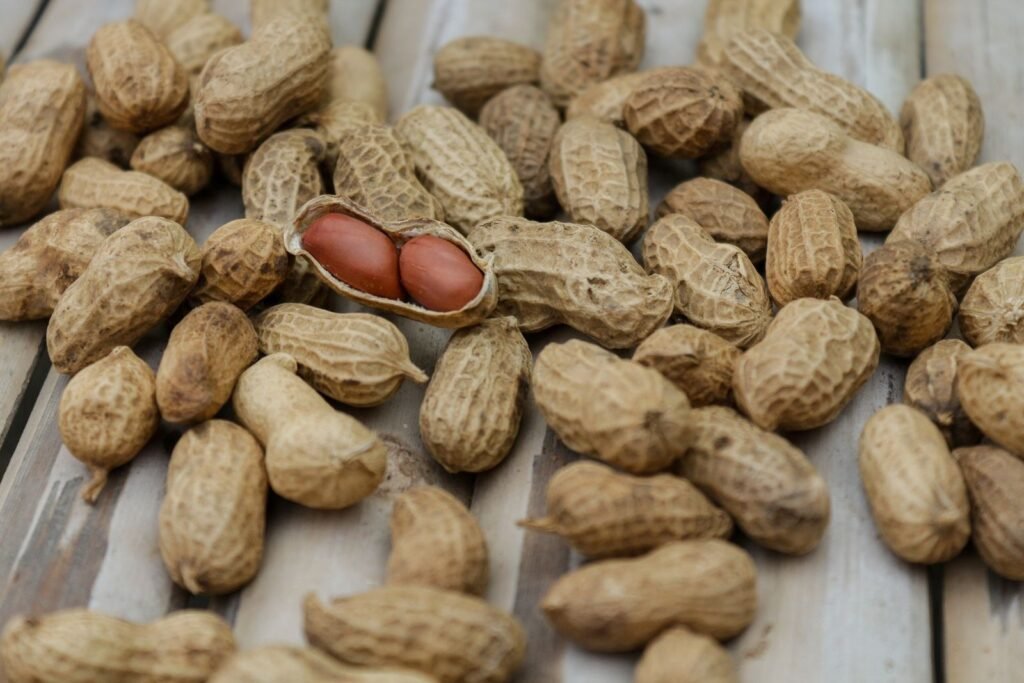

Peanuts are one of those foods that almost everyone already knows. You have probably eaten them roasted at a ball game, spread thick on toast, stirred into a curry, or grabbed by the handful straight from the bag. They are cheap, filling, and easy to find just about everywhere — and that is part of their charm.
What surprises a lot of people is how much nutrition is packed into such a small, familiar food. Even though we call them nuts and eat them like nuts, peanuts are actually legumes. They grow underground and are in the same plant family as beans, lentils, and chickpeas. That gives them a nutrition profile that is a little bit different from tree nuts — especially when it comes to protein.
In this article, we will look honestly at the benefits of eating peanuts, what is actually in them, how much makes sense to eat, and who needs to be careful with them. Peanuts are not a miracle food, and they will not fix your health on their own. But as part of a balanced diet, they can be a genuinely useful, satisfying everyday food.
Quick Benefits at a Glance
- High in plant protein — about 25 to 26 grams per 100 grams, more than most other nuts
- Steady, lasting energy from a mix of healthy fats, protein, and fiber
- Rich in heart-friendly monounsaturated fats, the same type of fat found in olive oil
- Good source of fiber to help you feel full and support digestion
- Provides niacin, folate, vitamin E, and magnesium — nutrients many people do not get enough of
- Naturally filling, which can make snacking more satisfying in small portions
- Affordable and shelf-stable, so they are easy to keep on hand
- Very versatile — whole, as peanut butter, in sauces, salads, and cooking
What Is in Peanuts? Nutrition Facts
Peanuts are energy-dense, which simply means a small amount gives you a lot of calories. That is because of their healthy fats. It is not a bad thing — it just means portion size matters, which we will talk about more below.
Here are the approximate standard nutrition values for raw peanuts per 100 grams (about 3.5 ounces). Roasted peanuts are very similar, though salted versions will have much more sodium.
- Calories: approximately 567 kcal
- Protein: approximately 25–26 g
- Total fat: approximately 49 g
- Saturated fat: approximately 7 g
- Monounsaturated fat: approximately 24 g
- Polyunsaturated fat: approximately 16 g
- Carbohydrates: approximately 16 g
- Fiber: approximately 8–9 g
- Sugars: approximately 4 g
- Vitamin E: approximately 8 mg (about half of the daily value)
- Niacin (vitamin B3): approximately 12 mg
- Folate: approximately 240 mcg
- Magnesium: approximately 168 mg
- Phosphorus: approximately 376 mg
- Potassium: approximately 705 mg
- Iron: approximately 4–5 mg
- Zinc: approximately 3 mg
A more typical serving is 1 ounce, or about 28 grams — roughly a small handful of 28 to 30 peanuts. That serving has around 160 calories, 7 grams of protein, 14 grams of fat, and 2 grams of fiber. Two tablespoons of peanut butter is a similar serving, with about 190 calories and 7 to 8 grams of protein, depending on the brand.
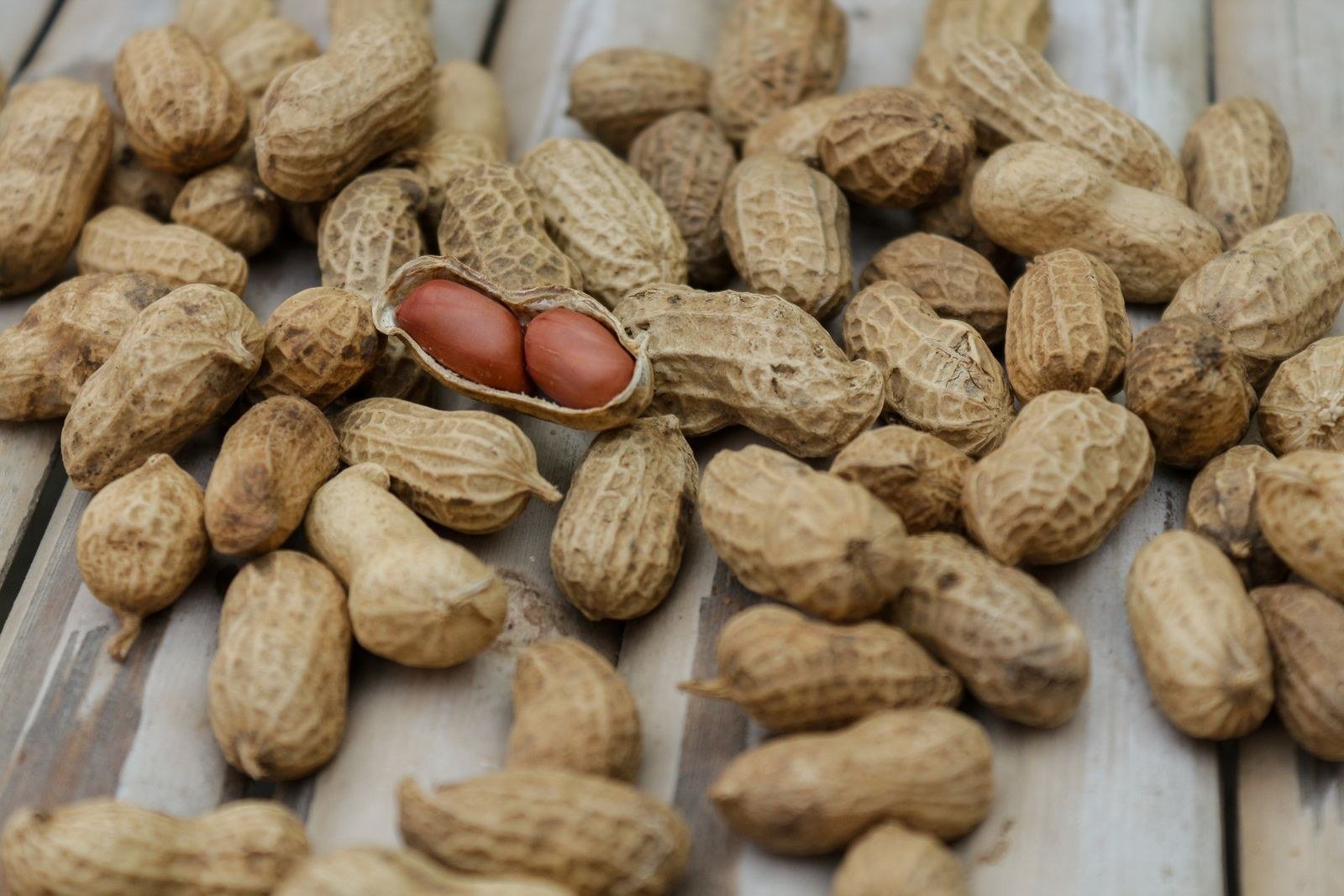
Peanuts also contain plant compounds called polyphenols, including resveratrol and p-coumaric acid. These act as antioxidants, which are substances that help protect your cells from everyday damage. The skins of peanuts contain a good share of these compounds, so eating peanuts with their thin reddish skins still on gives you a little extra.
A Strong Source of Plant Protein
This is probably the biggest reason peanuts stand out. Gram for gram, they have more protein than almonds, walnuts, cashews, or most other nuts. That high protein content is one of the main benefits of eating peanuts, especially if you are trying to eat less meat or you follow a vegetarian or vegan diet.
Protein matters for a lot more than just building muscle. Your body uses it to repair tissues, make enzymes and hormones, support your immune system, and keep your hair, skin, and nails healthy. Protein also helps you feel full after eating, which is why a protein-rich snack tends to keep you going longer than a sugary one.
It is worth being honest about one detail: peanut protein is not quite “complete” in the way animal protein is. It is a little low in one essential amino acid called methionine. In practice, this is easy to solve. If you eat a variety of foods across the day — grains, beans, lentils, dairy, or eggs — your body gets all the amino acids it needs. Pairing peanuts with whole grains, like peanut butter on whole wheat bread, is a classic combination for exactly this reason.
For people who are active, trying to maintain muscle as they get older, or simply looking for a snack that actually satisfies hunger, that protein adds up in a helpful way.
Steady Energy That Lasts
Have you ever eaten a snack that left you hungry again twenty minutes later? That often happens with foods that are mostly sugar or refined starch. They digest quickly, your blood sugar rises and falls fast, and the hunger comes right back.
Peanuts work differently. Their combination of fat, protein, and fiber slows digestion down. The energy is released more gradually, so you tend to feel steady rather than wired and then tired. This is why peanuts and peanut butter are popular with hikers, athletes, and anyone who needs a snack that will hold them for a few hours.
The healthy fats in peanuts are a concentrated fuel source, and the protein and fiber add staying power. A small handful before a long afternoon, a peanut butter sandwich before a workout, or a few peanuts mixed with dried fruit on a walk can all work well.
Peanuts also have a very low glycemic index, which is a measure of how quickly a food raises blood sugar. Foods with a low glycemic index cause a slower, smaller rise. That does not make peanuts a treatment for diabetes, but it does mean they are generally considered a sensible snack choice for people watching their blood sugar, especially compared with chips, crackers, or sweets. If you have diabetes, your own care plan always comes first.
Support for Heart Health
Heart health is the area where nuts in general have been studied the most, and peanuts are part of that picture. A large share of the fat in peanuts is monounsaturated fat — the same heart-friendly type that makes olive oil so well regarded. When monounsaturated and polyunsaturated fats replace saturated fats in the diet, that pattern is linked in studies to healthier cholesterol levels.
Peanuts are naturally cholesterol-free, as all plant foods are. They also contain plant sterols, natural compounds that may help reduce how much cholesterol your body absorbs from food. And they provide arginine, an amino acid your body uses to make nitric oxide, a substance that helps blood vessels relax and stay flexible.
There is also potassium and magnesium in peanuts, both of which play a role in supporting normal blood pressure as part of an overall healthy diet. The fiber helps too, since higher fiber intakes are linked to better heart health outcomes in population studies.
None of this means peanuts prevent heart disease — no single food can do that, and it would be wrong to claim otherwise. What the evidence does support is more modest and still valuable: regularly eating unsalted peanuts or natural peanut butter in place of less healthy snacks is part of a dietary pattern that may help support heart health over time. The key words there are “in place of.” Adding peanuts on top of an already high-calorie diet is different from swapping them in for fried snacks or processed meats.
If you enjoy comparing different nuts, you may also like reading about the wider benefits covered in our guide to almonds and their role in a healthy diet, since almonds and peanuts complement each other nicely in mixed snacks and baking.
Vitamins and Minerals Your Body Actually Uses
Beyond protein and fats, peanuts quietly cover several important micronutrients — the vitamins and minerals you need in smaller amounts, but every day.
Niacin (vitamin B3) is one of the standouts. Peanuts are one of the richest everyday food sources of niacin, which helps your body turn food into energy and supports healthy skin and nerves. A single ounce gives you roughly a fifth of what you need for the day.
Folate is another important one. Folate helps your body make new cells and is especially important before and during pregnancy for a baby’s development. An ounce of peanuts provides a useful amount, though pregnant people still need a varied diet and usually a supplement as advised by their clinician — peanuts alone are not enough.
Vitamin E acts as an antioxidant and supports immune function and skin health. Magnesium is involved in hundreds of processes in the body, including muscle and nerve function, blood sugar control, and bone health. Many adults fall short on magnesium, so foods like peanuts that contribute a meaningful amount are helpful.
You also get smaller amounts of B vitamins like thiamine and vitamin B6, plus copper, manganese, and iron. No single food covers everything, but peanuts pull more than their weight here for such an inexpensive food.
Feeling Full and Managing Your Weight
This one can sound confusing at first. How can a food with nearly 570 calories per 100 grams help with weight? The answer is satiety — how full and satisfied a food makes you feel.
Because peanuts are rich in protein, fiber, and fat, they are very filling for their size. Research on nut consumption in general has found that people who eat nuts regularly do not tend to gain more weight than people who avoid them, possibly because the fullness leads them to eat less of other things later, and possibly because the body does not absorb every single calorie from whole nuts — some of the fat passes through undigested inside the tough cell walls of the nut.
That said, let’s be balanced about it. Peanuts absolutely can contribute to weight gain if you eat large amounts without thinking. A cup of peanuts has more than 800 calories — that is a lot of snacking while watching TV. The benefits come with sensible portions, not bottomless bowls.
A practical approach is to pre-portion them. Put a small handful in a little bowl instead of eating from a big bag or jar. Choose unsalted or lightly salted versions if you do this often. And if you are actively tracking your intake as part of a weight plan, using a tool like our BMI calculator alongside honest portion awareness can help you see the bigger picture rather than guessing.
Peanut butter deserves a special note here. It is just as filling, but it is very easy to eat two or three servings without noticing, because a “spoonful” is often much bigger than the two-tablespoon serving on the label. Measuring it a few times, just to learn what a serving actually looks like, is a surprisingly useful habit.
Brain, Skin, and Everyday Wellbeing
Some of the nutrients in peanuts support parts of the body people do not always connect with food.
For the brain, niacin, vitamin E, and healthy fats are all part of normal nervous system function. Peanuts also contain resveratrol and other polyphenols that researchers are interested in for brain health, though the evidence here is still early and mostly from population studies — it is far too soon to make strong claims. What we can say fairly is that peanuts fit well into eating patterns, like Mediterranean-style diets, that are linked to better cognitive health as people age.
For skin and hair, the combination of vitamin E, niacin, protein, and a small amount of biotin and zinc helps support normal skin structure and repair. Peanut oil is even used in some skin products because it is moisturizing. Eating peanuts will not transform your skin, but getting enough of these nutrients does help your body maintain it.
There is also a mood and energy angle. B vitamins help your body release energy from food, and magnesium plays a role in muscle relaxation and sleep quality. If your diet has been low in these nutrients, adding foods like peanuts may simply help you feel more like yourself — which is a modest claim, but an honest one.
Good for Blood Sugar Balance as Part of a Meal
We touched on this earlier, but it deserves its own short section because so many people ask about it. Peanuts have very little impact on blood sugar on their own, thanks to their low carbohydrate content and their fat, fiber, and protein.
An interesting and practical finding from nutrition research is that adding peanuts or peanut butter to a meal that contains faster-digesting carbohydrates — like white bread or rice — can blunt the blood sugar rise from that meal a bit. The fat and protein slow the whole meal down.
This is a helpful strategy, not a medical treatment. People with diabetes or prediabetes should follow the guidance of their own healthcare team about total carbohydrates and meal planning. But as everyday foods go, unsweetened peanut butter is a much better spread choice than jam or honey if blood sugar is on your mind. Just watch out for sweetened peanut butters, which can have several grams of added sugar per serving.
How to Eat Peanuts and Add Them to Your Diet
One of the best things about peanuts is how many ways there are to enjoy them. You do not need complicated recipes.
Simple everyday ideas:
- Eat a small handful of roasted, unsalted peanuts as an afternoon snack
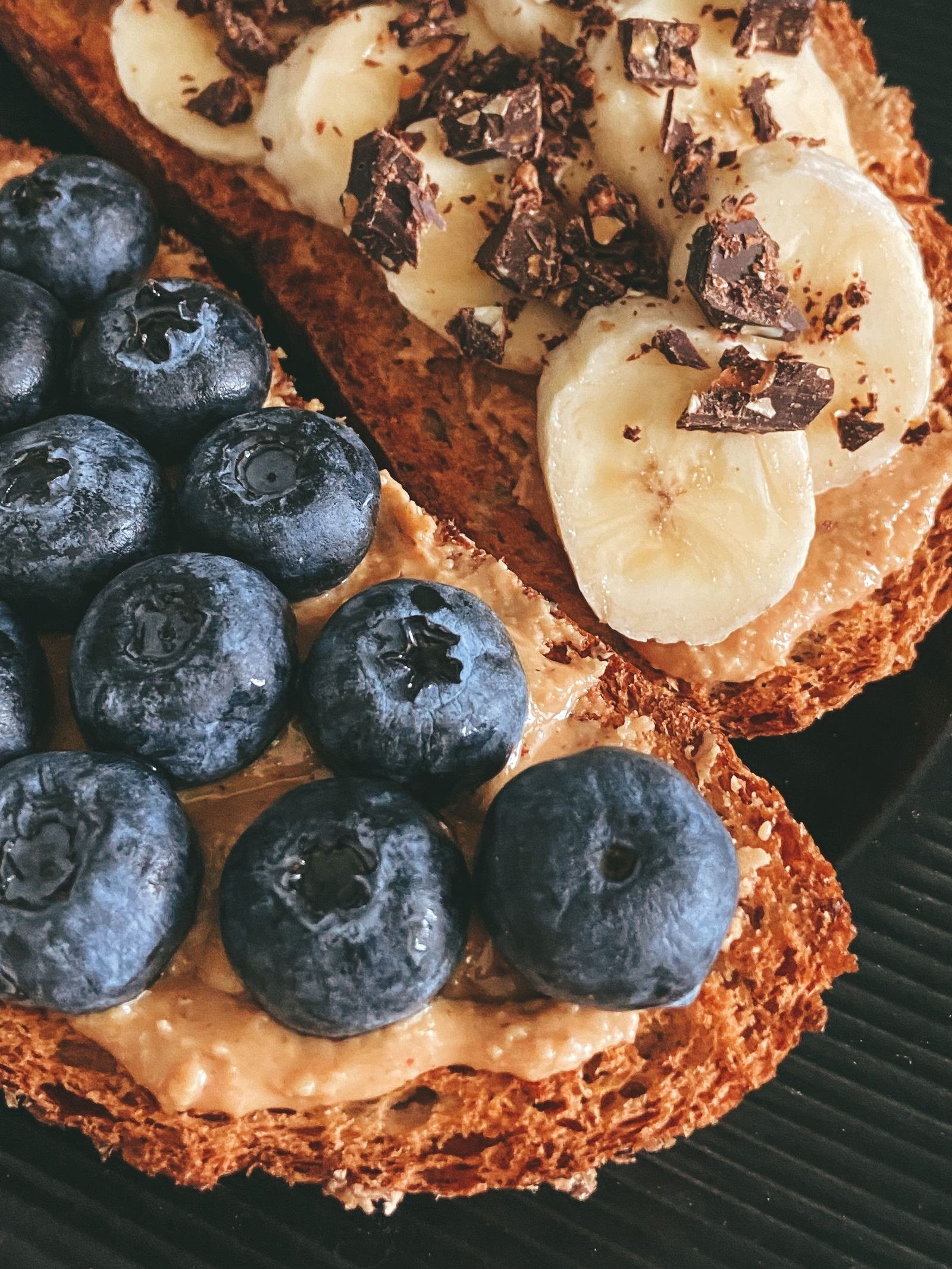
- Spread natural peanut butter on whole grain toast, apple slices, or celery sticks
- Stir peanut butter into oatmeal with banana for a filling breakfast
- Blend peanut butter into smoothies with milk or yogurt, banana, and cocoa
- Toss chopped peanuts over salads, noodle bowls, and stir-fries for crunch
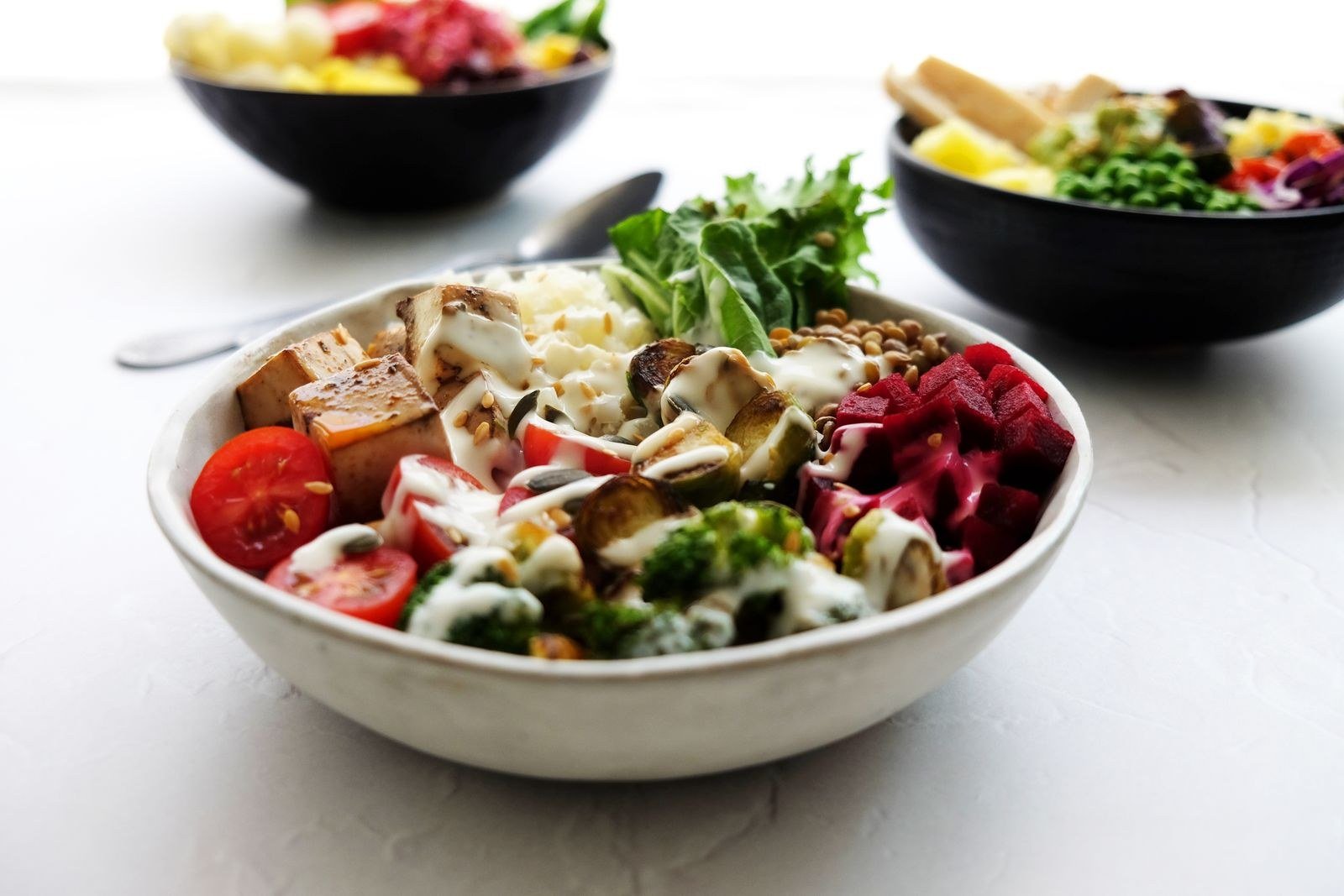
- Make a quick peanut sauce with peanut butter, lime juice, soy sauce, garlic, and a little warm water — wonderful over vegetables, chicken, or tofu
- Add peanuts to homemade trail mix with seeds, raisins, and a few dark chocolate chips
- Use them in cooking: West African peanut stew, Thai-style curries, and satay sauces all rely on peanuts for depth and richness
When shopping, look for peanut butter with a short ingredient list — ideally just peanuts, or peanuts and a little salt. Many popular brands add hydrogenated oils and sugar. Those are fine as an occasional treat, but for everyday eating, the natural style is the better habit. Natural peanut butter separates, with oil on top; just stir it well once and store it in the fridge to keep it mixed.
If you like protein-rich breakfasts, peanuts pair naturally with other simple staples too. Our article on the everyday nutrition of eggs is a good companion read if you are building a more filling, protein-aware morning routine.
Roasted peanuts are fine — roasting does not destroy their main nutrients. Dry-roasted and unsalted is the healthiest everyday pick. Honey-roasted, candy-coated, and heavily salted versions are best kept as occasional treats because of the added sugar, sodium, and extra calories.
How Much Is Sensible Per Day?
For most healthy adults, a sensible daily amount is about 1 ounce (28 grams) of peanuts — a small handful — or 2 tablespoons of peanut butter. That gives you the protein, healthy fats, and nutrients without the calories getting out of hand.
If you are very active, work a physical job, or are trying to gain weight in a healthy way, you may comfortably eat a bit more, perhaps 1.5 to 2 ounces. If you are watching your weight, sticking to one measured portion most days is the smarter move.
You also do not need to eat them every single day. Rotating peanuts with other nuts, seeds, and snacks across the week gives you a wider range of nutrients. Think of peanuts as a regular player in your diet, not the whole team.
For children, smaller portions are appropriate — a tablespoon or two of peanut butter, or a small handful of peanuts for older children who can chew them safely. Whole peanuts are a choking hazard for children under about 4 to 5 years old, so for little ones, smooth peanut butter spread thinly, or peanut flour mixed into food, is the safer form.
Side Effects and Who Should Be Careful
Peanuts are safe and nutritious for most people, but they come with some of the most important cautions of any common food. Please read this section carefully.
Peanut allergy is serious. Peanut allergy is one of the most common and potentially severe food allergies. Reactions can range from hives and swelling to anaphylaxis, a life-threatening reaction that needs emergency treatment. If you or your child has a peanut allergy, peanuts and peanut products must be avoided completely, labels must be checked carefully, and cross-contact in kitchens and restaurants is a real risk. Anyone with a known peanut allergy should follow their allergist’s plan and carry emergency medication if prescribed. Note that people with a peanut allergy can sometimes eat tree nuts, and vice versa, but only your allergist can advise you on that — never guess.
Introducing peanuts to babies. Current guidance from pediatric authorities in several countries suggests that, for many babies, introducing peanut in safe forms (such as smooth peanut butter thinned with water or mixed into puree) around 4 to 6 months, once other solids have started, may help reduce the chance of developing a peanut allergy. Babies with severe eczema or an egg allergy are considered higher risk and should talk to their pediatrician first, before introduction. Never give whole peanuts or thick spoonfuls of peanut butter to babies or toddlers because of choking risk.
Calories and overeating. As discussed above, peanuts are energy-dense. Mindless eating from a large container is an easy way to take in several hundred extra calories. Portion them out if this is a habit you recognize.
Salt and added ingredients. Salted peanuts and flavored varieties can be high in sodium, which matters if you are managing blood pressure. Sweetened peanut butters add sugar you may not expect. Check labels and choose plain or lightly salted versions for regular use.
Aflatoxins. Peanuts can, in some conditions, develop molds that produce substances called aflatoxins, which are harmful in large amounts over time. In countries with food safety regulation, commercial peanuts and peanut butter are tested and held to strict limits, so the risk from reputable brands is considered low. To be sensible about it, buy from trusted sources, store peanuts in a cool, dry place, and discard any that look moldy, shriveled, discolored, or taste bitter or “off.”
Digestive discomfort. Eating a large amount of peanuts at once can cause bloating or gas in some people, partly because of the fiber and fat. Peanuts also contain phytates, natural compounds that can slightly reduce absorption of minerals like iron and zinc. For most people eating a varied diet, this is not a meaningful concern.
Kidney and gout considerations. Peanuts contain moderate amounts of oxalates and purines. People who have been told to follow a low-oxalate diet for certain kidney stones, or who manage gout, may be advised to limit peanuts. If that is you, check with your clinician about what portion, if any, fits your plan.
Medication note. Peanuts do not have well-known major drug interactions the way grapefruit does. However, if you take medication and plan a big change in your diet — or if you have any chronic condition such as kidney disease, diabetes, or a history of anaphylaxis — it is always wise to mention it to your doctor or pharmacist.
This article is general information about food and nutrition, not medical advice. It does not replace guidance from your own doctor, dietitian, or allergist.
Frequently Asked Questions
Are peanuts actually nuts?
Botanically, no. Peanuts are legumes, in the same family as beans, peas, and lentils, and they grow underground in pods. We treat them as nuts in cooking and snacking because their taste, texture, and nutrition are similar to tree nuts. This distinction matters mainly for allergies, since peanut allergy and tree nut allergy are separate conditions.
Is peanut butter as healthy as whole peanuts?
It can be, if you choose the right kind. Natural peanut butter made from just peanuts (and maybe a little salt) has nearly the same nutrition as whole peanuts. The versions with added sugar and hydrogenated oils are less healthy. Whole peanuts have one small advantage: their structure makes them a bit more filling, and you are slightly less likely to overeat them than spoonfuls of peanut butter.
Can I eat peanuts every day?
For most people without a peanut allergy, yes — a small handful (about 1 ounce) a day fits comfortably into a balanced diet. The keys are keeping the portion sensible, choosing unsalted or lightly salted versions most of the time, and making sure peanuts are part of a varied diet rather than your only snack.
Do peanuts raise cholesterol?
Peanuts themselves contain no cholesterol, since cholesterol only comes from animal foods. Their monounsaturated and polyunsaturated fats, when they replace saturated fats in the diet, are linked to healthier LDL cholesterol levels. Salted and heavily processed peanut products are a different story because of what is added to them, but plain peanuts are generally considered a heart-friendly choice.
Are raw or roasted peanuts better?
Both are nutritious. Roasted peanuts are easier to find, taste richer, and their main nutrients — protein, healthy fats, and most vitamins — hold up well to roasting. Raw peanuts are fine too, but they should be stored carefully and bought from reputable sources because of mold risk. For everyday eating, dry-roasted unsalted peanuts are a great middle ground.
Are peanuts good for people with diabetes?
Peanuts have a very low glycemic index and very little effect on blood sugar by themselves, and adding them to a meal can modestly slow the blood sugar rise from that meal. That makes unsweetened peanut butter and plain peanuts a reasonable snack choice for many people with diabetes. Portions and total meal carbohydrates still matter, so follow your own care team’s advice.
Why do peanuts make some people feel bloated?
A large serving delivers a lot of fat and fiber at once, which can slow digestion and cause fullness, gas, or bloating in people who are not used to it. Eating a smaller portion, chewing well, and building up gradually usually helps. Persistent digestive symptoms are worth discussing with a doctor, and any swelling of the lips, tongue, or throat after eating peanuts is an emergency — that can be allergy, not indigestion.
Can peanuts help with weight loss?
No food causes weight loss by itself, and peanuts are calorie-dense, so they must be portioned carefully. Where they can help is hunger control: their protein, fiber, and fat make a small serving genuinely satisfying, which may make it easier to stick to your overall eating plan and avoid less healthy snacks. Think of them as a tool for staying full, not a weight-loss food.
Conclusion
Peanuts have earned their place in kitchens around the world. They are affordable, widely available, and honestly more nutritious than their humble reputation suggests — rich in plant protein, heart-friendly fats, fiber, niacin, folate, vitamin E, and magnesium, all in a food that tastes great and keeps you full.
The benefits of eating peanuts are real but straightforward: they support steady energy, help you meet your protein needs, and fit beautifully into heart-conscious, balanced eating patterns. They do not cure anything, and they do not need to. Good everyday food rarely works through miracles — it works through small, satisfying choices repeated over time.
So enjoy your handful of roasted peanuts, stir that peanut sauce, and spread the peanut butter thick — just keep an eye on portions, choose the plain versions most days, and respect the serious allergy caution if it applies to your household. Simple food, eaten sensibly, is often the best kind.


Pingback: Green Peas Benefits for Health (Protein, Fibre, and Heart)