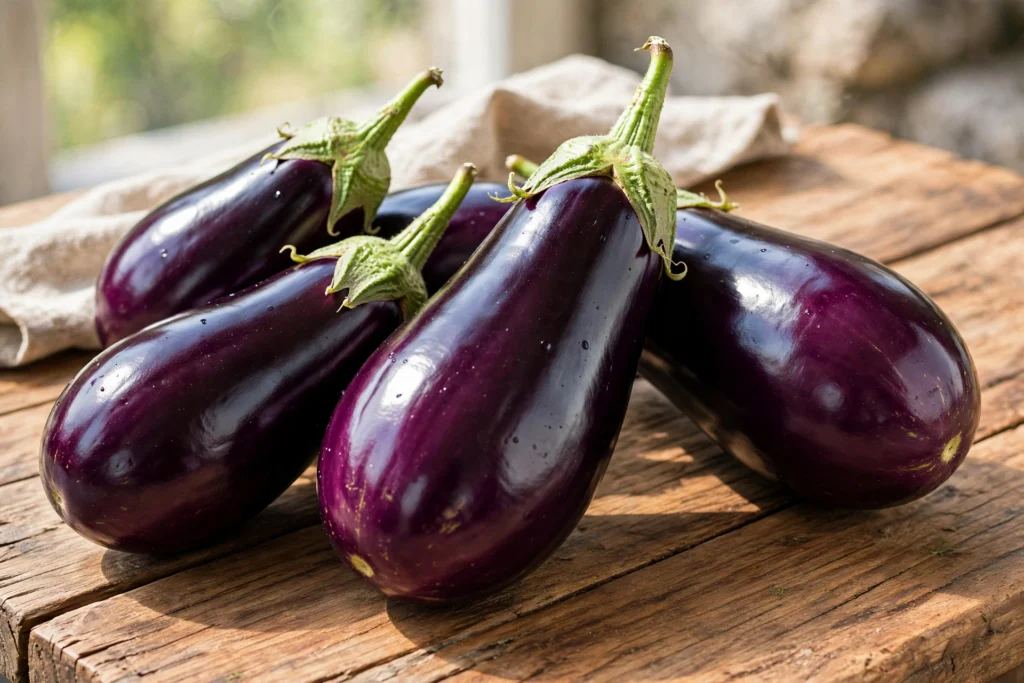

Eggplant — also called aubergine or brinjal — is one of those vegetables people either love or avoid. Its soft, spongy texture puts some people off, but cooked well, it’s rich, satisfying, and deeply flavourful. Eggplant benefits for health include heart support, brain-protecting compounds, and a low-calorie profile that helps with weight management, all in a vegetable that’s cheap and widely available.
Eggplant has been a staple in Mediterranean, Middle Eastern, and Asian cooking for centuries, from baba ganoush to ratatouille to baingan bharta. In this article, we’ll look at what eggplant contains, what the research says, and the cooking methods that make it both healthy and delicious.
1. Heart Health from Fibre and Potassium
Eggplant supports heart health mainly through its fibre and potassium. A cup of cooked eggplant gives you about 2.5 grams of fibre, which helps lower LDL cholesterol by binding bile acids in the gut, and about 120 milligrams of potassium, which helps balance sodium and support healthy blood pressure. The amounts are modest, but they contribute to the overall pattern of a vegetable-rich diet, which is consistently linked with better heart health.
Eggplant also contains chlorogenic acid, a phenolic compound that studies suggest may help lower LDL cholesterol and protect blood vessels from damage. Animal studies have shown promising effects, though human research is still limited. It’s a good example of how whole vegetables deliver combinations of compounds that work together, rather than a single active ingredient you could put in a pill.
The most important heart benefit of eggplant may be indirect: it’s a satisfying, low-calorie food that can replace higher-fat meats in a meal. Think of a grilled eggplant parmigiana next to a heavy meat lasagne — the eggplant version gives you a similar sense of richness and comfort with far less saturated fat and far fewer calories. Over months, that kind of swap is exactly what moves cholesterol and blood pressure in the right direction, not because of any single compound, but because the overall pattern of what you eat has changed. A grilled eggplant steak or a hearty eggplant curry gives you the feeling of a substantial main dish without the saturated fat of a meat-heavy meal, and that swap, repeated over time, is what improves heart health markers.
2. Brain Health and the Purple Pigment Nasunin
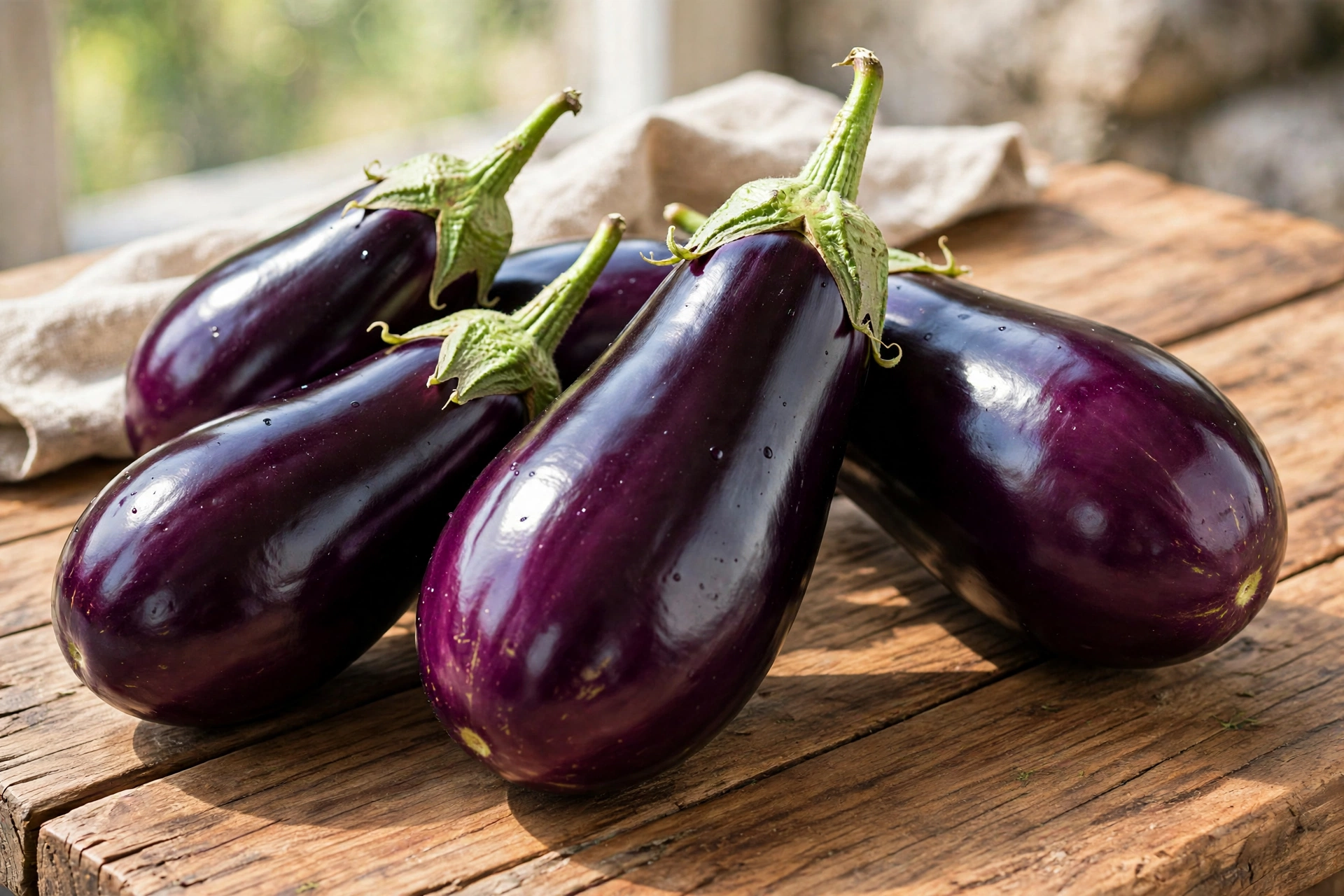
The deep purple skin of eggplant contains a unique anthocyanin called nasunin, and it’s one of the most interesting compounds in this vegetable. Lab studies suggest nasunin protects brain cell membranes from damage by free radicals, and it’s a powerful antioxidant — in test-tube studies, it outperformed vitamin C at protecting fats in brain tissue from oxidation.
That research is still at the lab stage, and nobody should claim eggplant prevents dementia or memory loss. But the pattern is encouraging: diets rich in anthocyanins — the pigments in purple and blue foods — are linked in population studies with better cognitive health as people age. Eggplant is one of the cheapest and most widely available sources of these pigments, and it’s worth eating regularly for that reason alone.
One practical point: nasunin lives in the skin, so peeling your eggplant throws away the most interesting compound it contains. Always cook eggplant with the skin on when you can, and choose eggplants with deep, glossy purple skin — the darker the colour, the more anthocyanins inside. If you want another purple food with strong research behind it, Benefits of Eating Blueberries (Tiny Berries, Big Nutrition) is a good next read.
3. Weight Management and the Art of Feeling Full
Eggplant is very low in calories — about 35 per cup cooked — yet it’s filling and satisfying, which makes it a useful food for weight management. Its fibre and water content add bulk to meals, and its meaty texture makes it feel like a substantial food rather than a side dish. That’s a rare combination, and it’s why eggplant works so well as a meat replacement in vegetarian meals.
The catch is that eggplant is like a sponge: it soaks up oil fast. A grilled or roasted eggplant is a light, healthy food, but an eggplant fried in a pan full of oil can absorb hundreds of extra calories. That’s the difference between a healthy eggplant dish and an unhealthy one, and it comes down to cooking method, not the vegetable itself.
The fix is simple. Grill, roast, or bake eggplant instead of frying it, and brush it lightly with oil rather than soaking it. Salting sliced eggplant for 20 minutes before cooking also helps — it draws out moisture, so the flesh absorbs less oil and cooks up firmer. With those two tricks, eggplant becomes a genuinely weight-friendly food that still feels indulgent.
4. Fibre for Digestion and Gut Health
A cup of cooked eggplant provides about 2.5 grams of fibre, which helps keep digestion regular and feeds the good bacteria in your gut. The fibre in eggplant is a mix of soluble and insoluble types, so it both adds bulk and feeds beneficial bacteria, which produce short-chain fatty acids that help keep the gut lining healthy.
Eggplant’s fibre also helps with blood sugar control. By slowing down digestion, it blunts the glucose rise after a meal, which is useful for anyone watching their blood sugar. An eggplant-based meal — say, a ratatouille with beans or a grilled eggplant with lentils — digests slowly and keeps you full for hours.
One thing to know: eggplant is gentle on most stomachs, but its skin can be tough to digest for some people, especially if the eggplant is undercooked. Cooking it until soft solves the problem, and peeling is an option if your stomach is sensitive — though you’ll lose the nasunin in the skin, so it’s a trade-off worth thinking about.
5. Blood Sugar Control
Eggplant is very low in carbohydrates — about 8 grams per cup cooked, with 2.5 grams of fibre — and it has a low glycaemic index. That makes it one of the friendliest vegetables for blood sugar control, including for people with diabetes or prediabetes. It barely moves glucose on its own, and its fibre slows down the digestion of whatever you eat with it.
The polyphenols in eggplant may help too. Lab studies suggest they can slow down the enzymes that break starch into sugar, which would blunt the blood sugar rise after a starchy meal. The research in people is still early, but the direction is promising, and it fits with the broader pattern that polyphenol-rich vegetables support metabolic health.
The practical uses are what make this benefit real. Eggplant works as a low-carb base for dishes that would otherwise be built around bread, rice, or pasta — grilled eggplant slices as a base for toppings, eggplant lasagne instead of pasta lasagne, or roasted eggplant in a curry instead of potatoes. Each swap cuts carbs while keeping the meal satisfying.
6. Antioxidants Beyond the Purple Skin
Eggplant’s antioxidant story goes beyond nasunin. The flesh contains chlorogenic acid, one of the most abundant phenolic compounds in the vegetable world, which has shown antioxidant and anti-inflammatory effects in lab studies. Chlorogenic acid is also found in coffee, and it’s one of the reasons coffee has health benefits beyond caffeine.
The combination of nasunin in the skin and chlorogenic acid in the flesh makes eggplant a strong antioxidant food, especially for its calorie count. And because eggplant is usually eaten in generous portions — a whole eggplant in a curry or a ratatouille — the total antioxidant intake from a meal can be meaningful, even if the concentration per gram is moderate.
There’s a cooking tip here too. Roasting and grilling preserve eggplant’s antioxidants well, while long boiling can leach some of them into the water. If you do boil eggplant, use the water in a soup or sauce so nothing goes to waste. And cooking with a little oil helps your body absorb the fat-soluble compounds in the skin.
7. Bone Health and the Minerals in Eggplant
Eggplant provides small amounts of several minerals involved in bone health, including manganese, copper, magnesium, and potassium. A cup of cooked eggplant gives you about 10 percent of your daily manganese, which your body needs to build bone tissue, and about 5 percent of your daily magnesium and potassium. These amounts are modest, but they add to the total from the rest of your diet.
Eggplant also contains small amounts of vitamin K and calcium, both involved in bone maintenance. Nobody would call eggplant a bone food on its own — leafy greens and dairy are far richer sources — but as one part of a varied, vegetable-rich diet, it contributes useful nutrients that support your skeleton.
The broader point is that bone health depends on the overall diet, not any single food. A diet rich in vegetables, with adequate calcium, vitamin D, and protein, and regular weight-bearing exercise, is what keeps bones strong. Eggplant is a tasty way to add vegetables to that pattern, and its low calorie count means it fits into almost any meal plan.
8. May Support Healthy Cholesterol Levels
Animal studies have found that eggplant juice and extracts can lower total cholesterol and LDL cholesterol, and the effect seems linked to chlorogenic acid and the fibre in the vegetable. One well-known rabbit study found that eggplant juice significantly reduced cholesterol levels and improved blood vessel function, though the dose was high and the study was small.
Human research is limited, so this benefit is still in the “promising but unproven” category. But the mechanism makes sense: soluble fibre lowers cholesterol by binding bile acids, and polyphenols may help protect LDL from oxidising. Both are present in eggplant, and both are supported by broader research on fibre-rich, plant-based diets.
The honest version is this: eating eggplant regularly, as part of a diet rich in vegetables and low in processed foods, is a sensible step toward healthier cholesterol. The fibre in eggplant also feeds gut bacteria that produce short-chain fatty acids, which have been linked in research to better cholesterol metabolism — another quiet way the vegetable supports the heart through the gut. — but it won’t replace medication or a broader diet change. If your cholesterol is high, talk to your doctor about the full picture, and use eggplant as one piece of it. For another food with strong cholesterol research, Oats Benefits for Health (Cholesterol, Weight, and Steady Energy) is worth reading.
How to Eat It
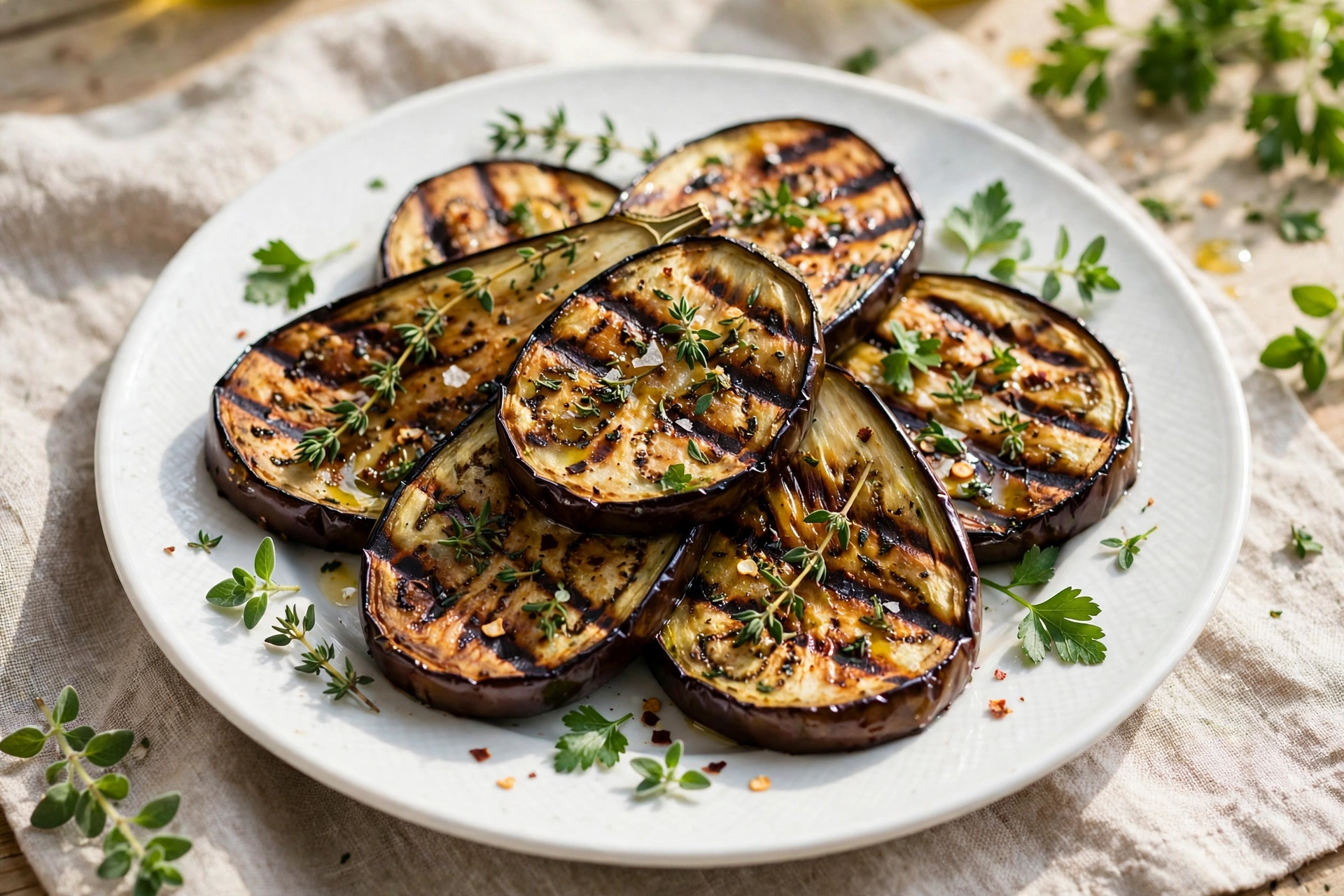
Aim for one to two cups of eggplant a few times a week. The best methods are grilling, roasting, and baking. Slice it into rounds or strips, brush lightly with olive oil, and grill for a few minutes per side until soft with golden edges. The healthy fats in the oil also help your body absorb the compounds in the skin — and Olive Oil Benefits (Why Extra Virgin Olive Oil Is So Healthy) explains why that pairing works so well.
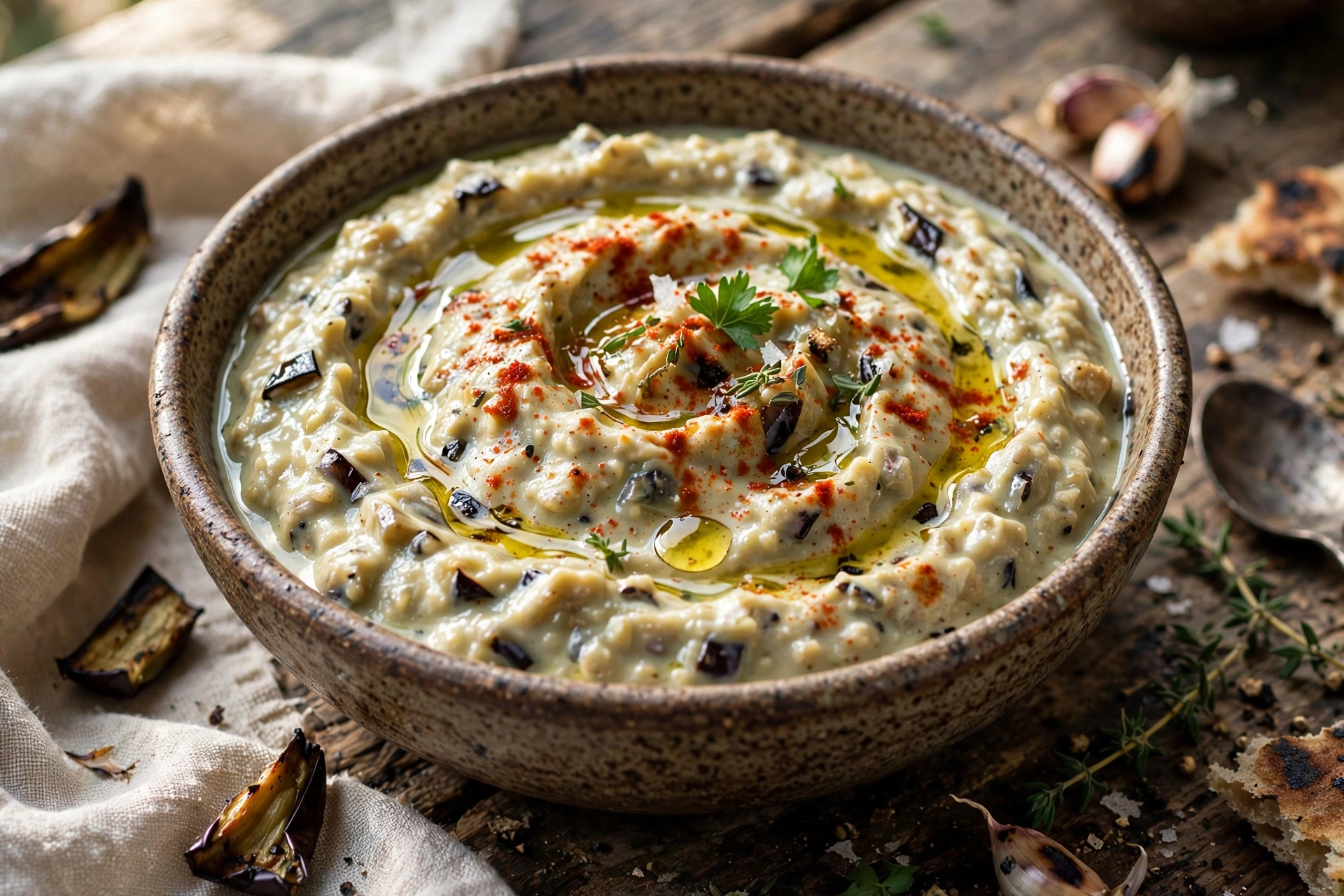
For fuller meals, try baba ganoush — roasted eggplant blended with tahini, lemon, and garlic — or a ratatouille with zucchini, peppers, and tomatoes. Eggplant curry is another classic: the flesh soaks up spices beautifully and turns soft and rich. And if you want a low-carb comfort food, try eggplant lasagne, layering grilled slices with tomato sauce and cheese instead of pasta sheets.
When you buy eggplant, look for one that feels heavy for its size, with smooth, glossy skin and no soft spots or brown patches. Press it gently — it should spring back, not stay dented. Store it in the fridge and use it within a few days, since eggplant spoils faster than most vegetables. And always salt sliced eggplant for 20 minutes before cooking: it draws out bitter moisture and stops the flesh from soaking up too much oil.
Things to Watch
Eggplant is safe for most people, but it belongs to the nightshade family, and a small number of people with certain autoimmune conditions find nightshades trigger their symptoms — though the evidence for this is mixed, and most people with these conditions eat eggplant without any problem. If you notice a pattern, talk to your doctor rather than cutting out a whole food group on your own.
Eggplant also contains solanine, a natural compound found in nightshades, but the amounts in cooked eggplant are far too low to cause harm. Raw eggplant contains more solanine and can taste bitter, so always cook it — raw eggplant is unpleasant as well as mildly irritating to the stomach.
Some people find eggplant hard to digest, especially the skin, and it can cause gas or bloating in sensitive stomachs. Cooking it until very soft helps, and peeling is an option if needed. Eggplant allergy is uncommon but real, and it sometimes shows up in people allergic to tomatoes or other nightshades — if you notice itching, swelling, or stomach upset, stop eating it and check with a doctor.
FAQ
Is eggplant good for weight loss?
Yes, it’s excellent for weight loss when grilled, roasted, or baked. A cup has only about 35 calories, with fibre that keeps you full. Avoid deep-frying it, since eggplant soaks up oil and the calories add up fast.
Should you peel eggplant?
No, keep the skin on when you can. The purple skin contains nasunin, an antioxidant linked to brain health, and the skin also holds fibre. Peel it only if your stomach is sensitive to it.
Is eggplant good for diabetes?
Yes, it’s one of the best vegetables for blood sugar control. It’s very low in carbs, has a low glycaemic index, and its fibre slows digestion. It works well as a low-carb replacement for pasta, bread, or potatoes.
Why is my eggplant bitter?
Bitterness comes from the seeds and moisture in older eggplants. Salting sliced eggplant for 20 minutes before cooking draws out the bitter liquid — rinse and pat dry afterwards. Younger, smaller eggplants are usually less bitter.
Can you eat eggplant raw?
You shouldn’t. Raw eggplant tastes bitter and contains more solanine, which can irritate your stomach. Always cook eggplant until soft — grilling, roasting, and baking all work well.
Conclusion
Eggplant is a vegetable that rewards good cooking and a little patience. Grilled, roasted, or baked, it’s rich, satisfying, and packed with useful compounds — fibre and potassium for the heart, nasunin in the skin for the brain, and a low-calorie profile that helps with weight and blood sugar. It’s cheap, widely available, and central to some of the world’s best-loved cuisines, from the Mediterranean to the Middle East to South Asia.
The rules are simple: keep the skin on, don’t drown it in oil, and salt it before cooking. Do that, and eggplant goes from a vegetable you tolerate to one you actually look forward to — and that’s the kind of food that stays in your diet for years. Start with one dish this week, whether it’s a tray of roasted slices or a simple baba ganoush, and see how easily it fits into meals you already enjoy — you may find it becomes a regular favourite.
Sources
Learn more from these trusted references: Eggplant — Wikipedia and the Harvard T.H. Chan School of Public Health — Vegetables.