
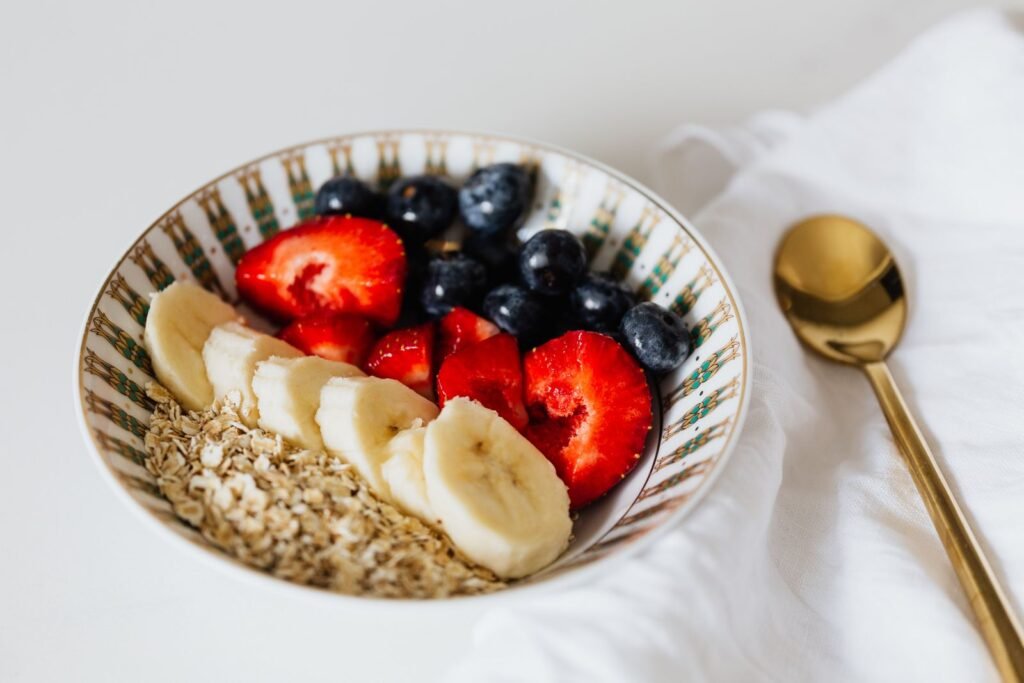

Oats are one of those foods that do not look exciting at first glance, but they have quietly earned a place in breakfast bowls all over the world. They are a whole grain made from the seeds of the oat plant, usually sold as rolled oats, steel-cut oats, or instant oats. Whichever form you choose, the idea is the same: a filling, affordable grain that cooks into something warm, soft, and satisfying.
People care about oats for good reason. Unlike many breakfast foods that leave you hungry again an hour later, oats tend to stick with you. They are rich in a special fiber called beta-glucan, they provide steady energy instead of a sharp sugar rush, and they fit easily into both sweet and savory meals. That makes them popular with people who want to support heart health, manage their weight, or simply eat a more nourishing breakfast.
In this guide, we will look honestly at oats benefits for health — what oats can reasonably do, what they cannot do, and how to enjoy them as part of a balanced diet. There are no miracle claims here. Oats will not cure any condition on their own, but as a regular, everyday food, they have a lot going for them.
Quick Benefits at a Glance
If you are short on time, here is why so many people keep a bag of oats in the pantry:
- Rich in beta-glucan fiber, which is linked in studies to healthier cholesterol levels
- Helps you feel full for longer, which may support weight management
- Provides slow, steady energy instead of a quick spike and crash
- Supports regular digestion and feeds friendly gut bacteria
- Provides B vitamins, magnesium, iron, and manganese
- Naturally low in sugar when you choose plain, unsweetened oats
- Very versatile — works in porridge, smoothies, baking, and savory dishes
- Budget-friendly and easy to store
What Is in Oats? Nutrition Facts
Oats are a whole grain, which means the bran, germ, and endosperm are all still there. That is part of why they are more nutritious than many refined cereals. The values below are approximate standard values for plain, dry rolled oats, based on typical USDA-style data.
Per 100 grams of dry rolled oats (approximate):
- Calories: about 389 kcal
- Carbohydrates: about 66 g
- Fiber: about 10 g, including beta-glucan
- Protein: about 17 g
- Total fat: about 7 g, mostly unsaturated
- Thiamin (vitamin B1): about 0.76 mg
- Magnesium: about 177 mg
- Iron: about 4.7 mg
- Manganese: about 4.9 mg
- Phosphorus: about 523 mg
- Zinc: about 4 mg
- Folate: about 56 mcg
A typical serving is smaller than 100 grams. Most people use about 40 grams of dry oats — roughly half a cup — which gives you about 155 calories, 27 grams of carbohydrates, 4 grams of fiber, and 6 to 7 grams of protein before you add milk, fruit, or toppings.
Oats also contain antioxidants called avenanthramides, found almost only in oats. Researchers are still studying how these compounds behave in the body, but they are one reason oats get more attention than some other grains. Plain oats are also naturally very low in sodium and contain no added sugar. The sugar in many oat products comes from what manufacturers add, not from the oats themselves.
May Help Support Healthy Cholesterol
This is probably the benefit oats are best known for, and one of the better-studied ones. The beta-glucan fiber in oats forms a thick, gel-like texture when it mixes with water in your digestive system. That gel can bind to some cholesterol-related substances in the gut and help carry them out of the body, which may help support lower LDL cholesterol — often called the “bad” cholesterol — when oats are eaten regularly as part of a heart-friendly diet.
Health authorities in several countries allow a claim linking oat beta-glucan to cholesterol maintenance, usually based on getting about 3 grams of beta-glucan per day. You can get close to that from roughly 70 to 80 grams of oats, depending on the type you use.
Keep expectations realistic. Eating oats is not a replacement for medication if your doctor has prescribed it, and oats alone will not fix high cholesterol. Think of them as one helpful piece of a bigger picture that includes vegetables, fruits, other whole grains, regular movement, and medical advice when you need it. If you currently eat a low-fiber breakfast, swapping it for oats a few mornings a week is a simple change many people find easy to keep up — and consistency is where most of the benefit seems to come from.
Steadier Blood Sugar and Energy Through the Morning
Because oats are digested relatively slowly, they tend to raise blood sugar more gradually than white bread, sugary cereal, or pastries. The fiber slows down how quickly carbohydrates are broken down and absorbed, which can mean fewer sharp peaks and dips.
For you, that often feels like steadier energy. Instead of feeling wired at 8 a.m. and sluggish by 10 a.m., you may notice you can concentrate and get on with your morning without constantly thinking about a snack. Steel-cut and thick rolled oats are generally digested more slowly than instant oats, because they are less processed.
If you live with diabetes or pre-diabetes, oats can fit into your eating plan, but portions and toppings matter a great deal. A large bowl loaded with honey and sweetened dried fruit will behave very differently from a modest bowl with nuts and fresh fruit. This is general information only, so follow the guidance of your own doctor or dietitian for your personal targets. Pairing oats with protein or healthy fat — such as Greek yogurt, nuts, seeds, or peanut butter — can also slow digestion and make the meal feel more balanced.
Feeling Fuller: Oats and Weight Management
Many people eat oats when they are trying to manage their weight, and the reasoning is straightforward. Fiber absorbs water and expands in your stomach, and the thick texture of cooked oats takes a while to eat. Both may help support a feeling of fullness, so you are less likely to reach for extra snacks soon after breakfast.
Oats themselves are not low-calorie — they contain roughly the same energy per gram as other grains. The advantage is not that oats magically burn fat, because no food does that. The advantage is practical: a bowl of oats may satisfy you on fewer total calories than a pastry and a sweetened coffee that leave you hungry again quickly.
How you build your bowl matters. Plain oats topped with fresh fruit and a spoonful of nuts is very different from flavored instant oats with lots of added sugar, or a giant bowl buried under syrup. If you are watching your overall intake, measuring your dry oats a few times until you learn what 40 grams looks like can help. If you want a sense of where your weight sits in relation to your height, you can check your numbers with a simple BMI calculator and use it as one rough guide alongside advice from a health professional.
In short, oats may help support your weight goals by making healthy eating easier to stick to, not by promising rapid weight loss.

Good for Your Gut and Digestion
Your digestive system likes fiber, and oats provide a good mix of it. The soluble fiber — beta-glucan — feeds some of the friendly bacteria in your large intestine. When those bacteria ferment fiber, they produce substances that researchers believe help support the health of the gut lining. The evidence here is promising, though scientists are still working out the full details.
The fiber and the water oats absorb also help add bulk to your stool, which may help support regularity for many people. If you often feel irregular, gradually adding fiber-rich foods like oats — along with enough water during the day — is a common first step dietitians suggest.
If your current diet is very low in fiber, jumping straight to large bowls every day can cause gas or bloating for a short while. Starting with a smaller serving and increasing slowly gives your gut time to adjust. There is more on this in the side effects section below.
A Solid Source of Plant Protein and Key Minerals
Oats stand out among grains for their protein. At roughly 17 grams per 100 grams dry, they offer more protein than wheat, rice, or corn, and the quality is relatively good for a plant food. A breakfast bowl will not match eggs or yogurt for protein on its own, but it makes a stronger start than many people realize — especially if you cook your oats in milk or stir in yogurt, nuts, or seeds.
The mineral content is also worth noting. Oats provide manganese, which your body uses in several enzyme systems, plus magnesium, phosphorus, iron, and zinc. Magnesium is involved in hundreds of processes in the body, including muscle and nerve function, and many adults do not quite reach the recommended daily amount. A regular oat breakfast can make a useful contribution.
If you enjoy simple, nourishing combinations, you might like reading about the benefits of oats made with milk for extra protein and calcium ideas, since cooking oats in milk rather than water changes both the taste and the nutrition of the bowl.
Plant Compounds and Everyday Wellness
Beyond fiber and minerals, oats contain avenanthramides and other plant compounds that act as antioxidants — substances that help protect your cells from everyday oxidative stress, the kind of wear and tear linked to normal aging. Researchers have studied avenanthramides in lab settings and found interesting activity, but human evidence is still developing, so it is best to see this as a bonus rather than a proven treatment for anything.
What oats realistically offer for everyday wellness is less dramatic and more dependable: a nutrient-dense, fiber-rich base for meals that helps crowd out more processed options. Over months and years, those small daily upgrades tend to matter more than any single ingredient.
How to Eat Oats: Easy Ways to Add Them to Your Day
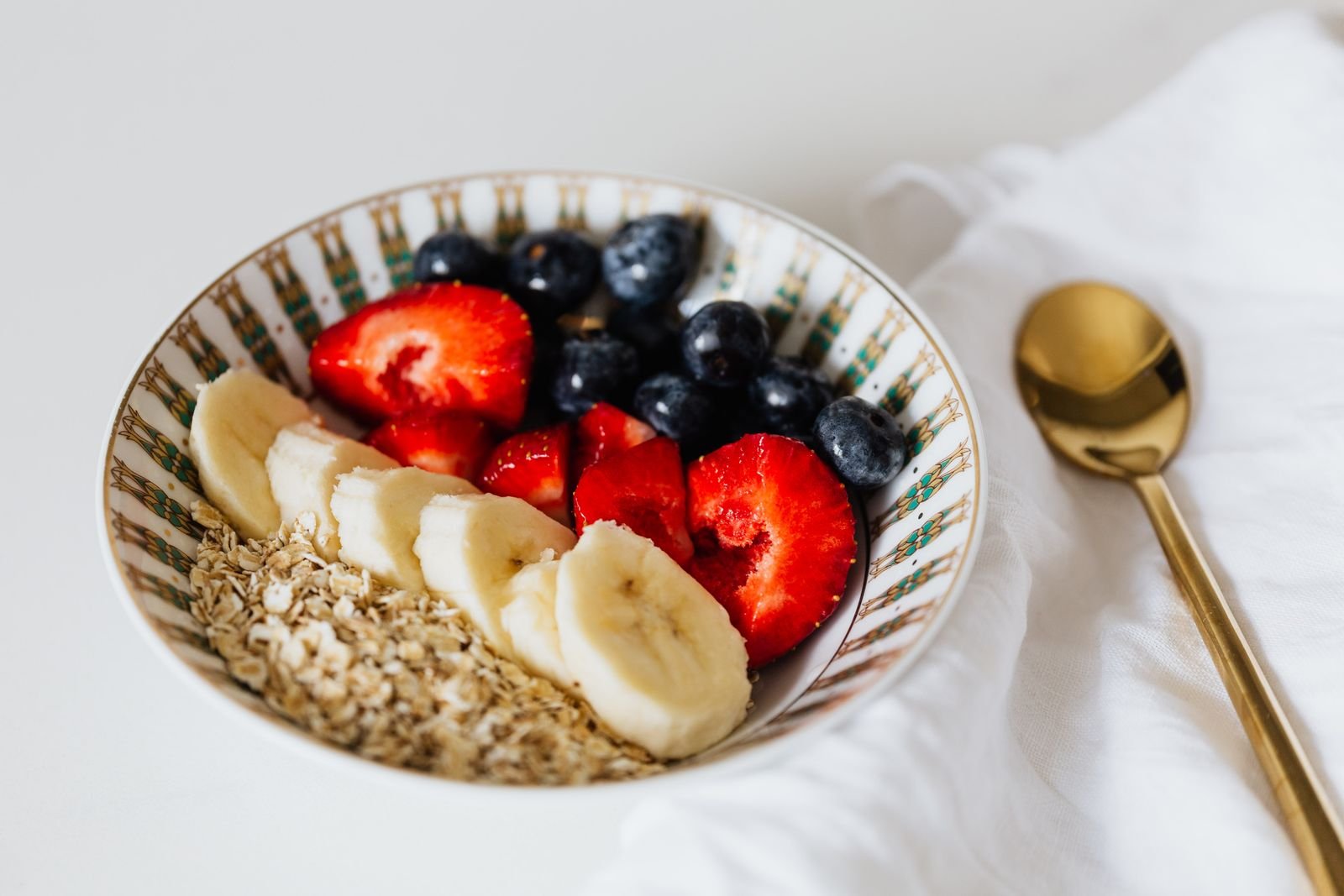
The easiest way to enjoy oats is classic porridge. Simmer rolled oats in water, milk, or a mix of both for about five minutes, stirring now and then, until thick and creamy. From there, the toppings are up to you: sliced banana, berries, a spoonful of peanut butter, a handful of walnuts, or a sprinkle of cinnamon all work well.
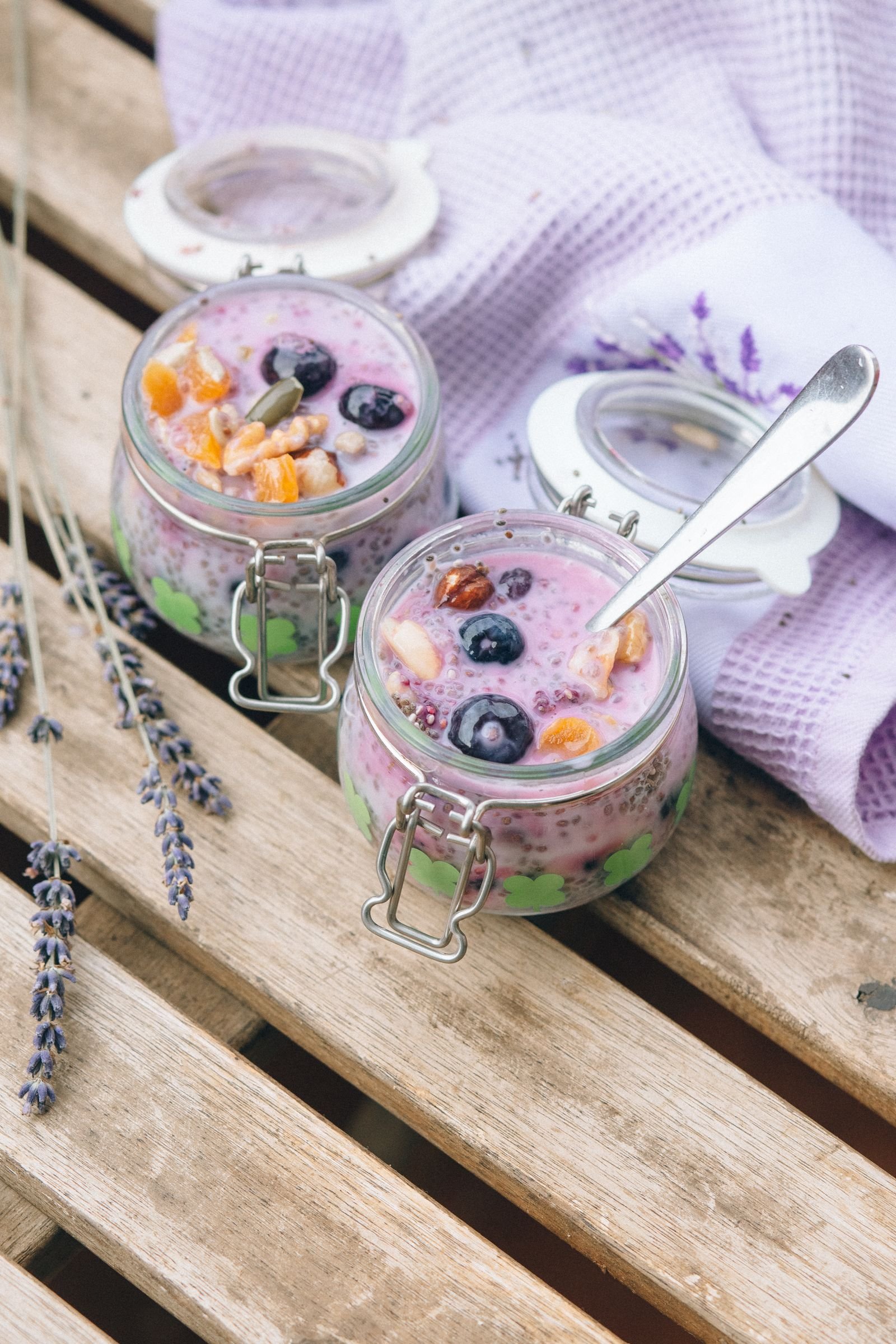
Overnight oats are perfect if your mornings are rushed. Stir oats with milk or yogurt and a little fruit in a jar the night before, refrigerate, and grab it on your way out. No cooking is needed, and the texture becomes soft and pudding-like.
A few more ideas worth trying:
- Blend a small handful of raw oats into a smoothie for extra thickness and fiber.
- Use oat flour — simply blitz rolled oats in a blender — in pancakes, muffins, and homemade bars.
- Stir oats into soups and stews as a gentle thickener.
- Try savory oats: cook them in broth, then top with a soft egg, spring onions, and a dash of soy sauce or chili oil.
- Make homemade granola with oats, nuts, and seeds, so you control the sugar.
Oats also pair beautifully with seeds. Stirring in a spoonful of chia or ground flax adds healthy fats and even more fiber — if you are curious about that combination, our guide to the health benefits of chia seeds explains what chia brings to the table. Whatever form you choose, try to keep plain oats as your base most of the time. Flavored instant packets are convenient, but many contain as much sugar as a dessert. You can always sweeten a plain bowl yourself with fruit, and you will usually end up using less sugar.
How Much Oats Per Day Is Sensible?
For most adults, one serving of about 40 grams of dry oats — half a cup — once a day is a perfectly sensible amount. That gives you roughly 4 grams of fiber and a good share of your daily beta-glucan if the rest of your day includes other fiber-rich foods.
People specifically aiming for the cholesterol-related beta-glucan target often eat a little more, up to about 70 to 80 grams of dry oats spread across the day — for example, porridge at breakfast and oats in a smoothie later on. There is no need to eat huge amounts. Two giant bowls will not double the benefit, and they could crowd out other foods your body needs, like vegetables, beans, and protein sources.
Children need smaller portions, scaled to their age and appetite. And if you have a medical condition that affects your diet, check with your doctor before making oats a large daily habit.
Side Effects and Who Should Be Careful
For most people, oats are a safe and well-tolerated food. Still, a few honest cautions are worth knowing.
Digestive discomfort. Increasing fiber quickly can cause gas, bloating, or loose stools. Build up gradually and drink enough water.
Celiac disease and gluten sensitivity. Oats are naturally gluten-free, but they are often grown and processed alongside wheat, so regular oats can be contaminated with gluten. If you have celiac disease or a diagnosed gluten sensitivity, choose oats that are certified gluten-free, and talk to your doctor — a small number of people with celiac disease also react to avenin, a protein in oats themselves.
Oat allergy. A true oat allergy is uncommon, but it does exist. If you notice itching, swelling, hives, or breathing difficulty after eating oats, stop and seek medical advice promptly.
Blood sugar medication. Because oats can modestly affect how quickly glucose rises, people taking diabetes medication should be aware that big dietary changes can affect their readings. Do not adjust medication on your own — discuss any major change with your care team.
Mineral absorption. Like many whole grains, oats contain phytic acid, a natural compound that can slightly reduce how well you absorb minerals like iron and zinc from the same meal. For most people eating a varied diet this is not a problem, and soaking or cooking oats reduces phytic acid. Pairing oats with vitamin C-rich fruit, like berries or citrus, also helps iron absorption.
Added extras. The most common problem with oats is really about the toppings — heavy sugar, syrups, and flavored packets can turn a healthy base into a high-calorie, high-sugar meal. Keep an eye on those if you eat oats daily.
This article is general information, not medical advice. If you have a health condition or take regular medication, please check with a qualified health professional about what is right for you.
Frequently Asked Questions
Are oats good for you if you eat them every day?
For most healthy adults, yes. A daily serving of plain oats provides fiber, minerals, and steady energy, and fits well into a balanced diet. Variety still matters, so rotate oats with other whole foods across the week, and build up your portion gradually if you are new to high-fiber eating.
Which type of oats is the healthiest?
Steel-cut and rolled oats are the least processed and tend to digest most slowly, so many people consider them the best everyday choice. Instant oats are still made from whole oats, but they digest faster and flavored versions often contain added sugar and salt, so plain is preferable where you can.
Do oats really help lower cholesterol?
Oats contain beta-glucan fiber, which is linked in studies to modest reductions in LDL cholesterol when eaten regularly as part of a heart-friendly diet. The effect is real but gradual, and oats should support — not replace — any treatment your doctor recommends.
Can oats help with weight loss?
Oats do not cause weight loss by themselves, but their fiber and filling texture may help you feel satisfied on fewer snacks between meals. Keeping portions moderate and toppings light makes oats a practical tool for many people managing their weight.
Are oats gluten-free?
Oats themselves do not contain gluten, but they are frequently contaminated with wheat during farming and processing. If you must avoid gluten for medical reasons, buy certified gluten-free oats only, and check with your doctor if you have celiac disease.
Is it better to eat oats in the morning or at night?
There is no single best time. Morning is popular because oats provide steady energy for the day ahead, but oats at any meal — including savory oats at dinner or overnight oats prepared the evening before — offer the same basic nutrition.
Can people with diabetes eat oats?
Many people with diabetes include oats in their diet, choosing plain steel-cut or rolled oats in moderate portions and pairing them with protein or healthy fats to slow digestion. Because individual needs vary, it is wise to check your personal plan with your doctor or dietitian.
Do oats give you energy?
Yes, in a steady rather than dramatic way. Oats are rich in complex carbohydrates and B vitamins involved in energy metabolism, so a bowl tends to keep you going for several hours instead of giving a brief sugar spike followed by a crash.
Conclusion
Oats are not flashy, and that is exactly their strength. They are cheap, widely available, easy to cook, and genuinely nutritious — rich in fiber, respectable in protein, and full of minerals your body uses every day. The best-supported oats benefits for health are the everyday ones: supporting healthy cholesterol, steadier energy, comfortable digestion, and meals that actually keep you full.
Start simple. Try a bowl of plain rolled oats with fruit and nuts a few mornings this week, notice how you feel by mid-morning, and build from there. Small habits you enjoy are the ones that last, and oats make a very good habit indeed.



Pingback: Oats With Milk Benefits: A Simple, Powerful Breakfast
Pingback: Sweet Potato Health Benefits (Nutrition and the Best Ways to Eat It)
Pingback: Strawberry Benefits for Health (Vitamin C, Skin, and Heart)
Pingback: Pear Benefits for Health (Fibre, Digestion, and Gut Health)
Pingback: Peach Benefits for Health (Skin, Digestion, and Hydration)
Pingback: Fig Benefits for Health (Fibre, Bones, and Natural Sweetness)
Pingback: Apricot Benefits for Health (Eyes, Skin, and Digestion)
Pingback: Corn Benefits for Health (Energy, Eyes, and Digestion)
Pingback: Macadamia Nut Benefits for Health (Healthy Fats and Heart)