
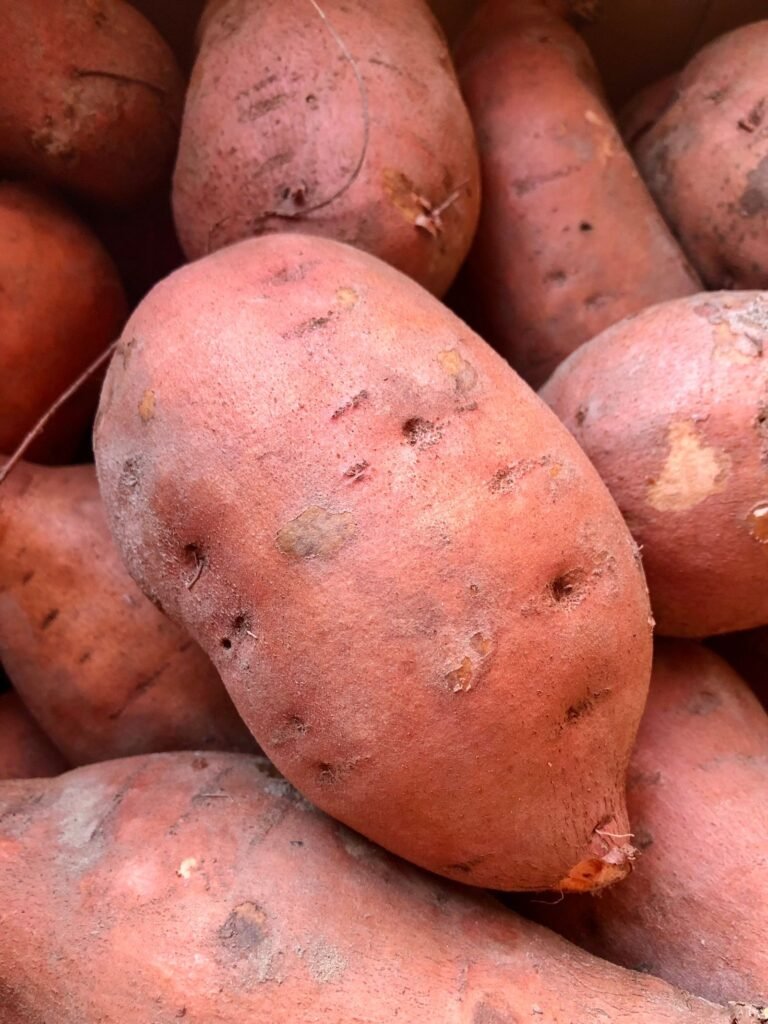

Sweet potatoes are one of those foods that feel like comfort food and health food at the same time. They are naturally sweet, soft when cooked, and deeply filling, yet they are packed with fiber, vitamins, and the bright orange color that tells you something good is inside. Whether you bake them whole, cut them into wedges, or mash them for dinner, they fit into almost any kitchen.
People care about sweet potato health benefits for a simple reason: this is an everyday food, not an expensive supplement. You can find sweet potatoes in almost any grocery store, they keep well for weeks, and they cost far less than many so-called superfoods. If a food you already enjoy can also support your eyes, gut, skin, and energy, that is worth understanding.
In this article, we will look honestly at what sweet potatoes can and cannot do. We will cover their nutrition, the benefits that have the strongest support, the best ways to cook them so you keep the most nutrients, how much is sensible to eat, and who should be a little careful. No miracle promises — just clear, useful information you can use the next time you shop.
Quick Benefits at a Glance
- Rich in vitamin A: One serving can cover your entire daily need for vitamin A, which supports eyes and immune health.
- Good for your gut: High in fiber that feeds digestion and helps you feel comfortably full.
- Supports eye health: The orange color comes from beta-carotene, a plant pigment your body turns into vitamin A.
- Steadier energy: Complex carbohydrates digest more slowly than white bread or plain sugar.
- Heart-friendly nutrients: Potassium and fiber may help support normal blood pressure and cholesterol as part of a balanced diet.
- Kind to skin: Vitamin A and vitamin C both play a role in healthy, normal skin.
- Naturally gluten-free and versatile: Easy to use for breakfast, lunch, dinner, and even desserts.
- Budget-friendly nutrition: One of the most nutrient-dense vegetables for the price.
What Is Inside a Sweet Potato? Nutrition Breakdown
Sweet potatoes are a root vegetable, but nutritionally they behave very differently from white potatoes. Their flesh is dense with fiber, complex carbs, and protective plant compounds. The purple and orange varieties differ a little — purple ones are richer in anthocyanins, the same type of antioxidant found in blueberries — but all types are nutritious.
Here are approximate standard values for 100 grams (about 3.5 ounces) of baked sweet potato with the skin, based on typical USDA-style data:
- Calories: About 90 calories
- Carbohydrates: About 21 grams
- Fiber: About 3.3 grams
- Protein: About 2 grams
- Fat: Very low, about 0.1 grams
- Vitamin A: Extremely high — 100 grams can provide well over 100% of the daily value, mainly as beta-carotene
- Vitamin C: About 19 mg, roughly 20% of the daily value
- Vitamin B6: About 0.3 mg
- Potassium: About 475 mg, roughly 10–14% of the daily value
- Manganese: About 0.5 mg, over 20% of the daily value
- Copper and pantothenic acid: Present in useful small amounts
- Natural sugars: About 6–7 grams, which explains the sweet taste
A medium sweet potato (about 130 grams) baked in its skin gives you roughly 112 calories, 26 grams of carbs, and 4 grams of fiber. That is a lot of nutrition for a side dish. Keeping the skin on matters — a good share of the fiber and some minerals sit in and just under the skin, so scrub it well and eat it when you can.
Why the Orange Color Matters
That deep orange is not just pretty. It signals beta-carotene, an antioxidant pigment. Your body converts beta-carotene into vitamin A only as needed, which makes food sources like sweet potato a gentle, safe way to get this vitamin. Purple sweet potatoes get their color from a different family of pigments, and white or pale varieties have less beta-carotene but still offer fiber, potassium, and steady energy.
May Help Support Healthy Vision
Vitamin A is essential for normal vision, especially for seeing well in low light. A lasting shortage of vitamin A is one of the most common preventable causes of vision problems in the world, though it is less common in countries where varied food is easy to get.
Sweet potatoes are one of the richest everyday sources of beta-carotene you can eat. Eating them regularly may help support your eyes as part of an overall diet rich in colorful vegetables. They work in the same family as other orange vegetables — if you enjoy this line of foods, our guide to carrot benefits for your daily health covers a close cousin with a similar eye-friendly profile.
That said, sweet potatoes will not fix eyesight problems or replace glasses, eye exams, or treatment. Think of them as daily maintenance for tissues that depend on vitamin A, including the surface of the eye, rather than a cure for anything.
Good News for Your Gut and Digestion
Fiber is where sweet potatoes quietly shine. A medium sweet potato gives you about 4 grams, and much of it is the kind that helps food move smoothly through your digestive system. Eating enough fiber is linked in studies to more regular bowel habits and a healthier mix of gut bacteria.
Some of the starch in sweet potatoes becomes resistant starch, especially when you cook them and then cool them, as in a potato salad. Resistant starch is a type of carb your upper gut cannot fully break down, so friendly bacteria in your lower gut ferment it and produce helpful compounds in the process. The evidence here is still growing, but it is a sensible reason to enjoy sweet potatoes in different forms, hot and cold.
If you are not used to much fiber, increase your portions gradually and drink enough water. A sudden jump in fiber from any food can leave you gassy for a few days while your gut adjusts.
May Help Support a Healthy Immune System
Your immune system relies on a steady supply of several nutrients, and sweet potatoes bring a few of them together. Vitamin A helps keep the lining of your gut, lungs, and skin strong — those linings are your body’s first barrier against germs. Vitamin C supports the normal work of white blood cells, the cells that respond when you get sick.
This does not mean sweet potatoes prevent colds or infections. No single food does that. But a diet that regularly covers your vitamin A and C needs gives your immune system the raw materials it is supposed to have. Sweet potatoes make that easier because one serving covers so much ground, and they are easy to add to soups and stews on days when you want something warm and nourishing.
Sleep, movement, and overall diet still matter more than any one ingredient. Sweet potatoes are a helpful piece, not the whole picture.
Steadier Blood Sugar Than You Might Expect
Because they taste sweet, many people assume sweet potatoes must spike blood sugar. In reality, their glycemic index — a measure of how quickly a food raises blood sugar — is moderate, especially when they are boiled. Boiled sweet potatoes tend to have a lower glycemic response than baked ones, because baking concentrates the sugars and changes the starch more. Either way, the fiber slows digestion compared with refined foods.
For people watching their blood sugar, portion and pairing matter most. A medium sweet potato eaten with protein, healthy fat, and non-starchy vegetables will have a much gentler effect than a very large portion eaten alone. Adding a little olive oil or butter also helps your body absorb the beta-carotene, since vitamin A is fat-soluble, meaning it absorbs better with fat.
If you have diabetes or take blood-sugar medication, treat sweet potato like any other starchy food: count it in your meal plan and follow your care team’s guidance on portions. It can absolutely fit into many diabetes-friendly diets, but it is still a source of carbohydrates.
Heart-Friendly Potassium and Fiber
Potassium helps balance the effect of sodium in your body and supports normal blood pressure. Most adults do not get quite enough of it, and sweet potatoes are one of the tastier ways to add more. One medium sweet potato provides roughly 540 mg of potassium — more than a medium banana.
Fiber adds a second benefit. Soluble fiber, one type found in sweet potatoes, can help support healthy cholesterol levels by binding some cholesterol in the gut as part of a balanced diet. Studies link diets higher in fiber and potassium with better heart health over time, though again, it is the whole eating pattern that matters, not a single vegetable.
Keeping the skin on, choosing baking or boiling over deep-frying, and limiting heavy toppings like lots of butter, sugar, and marshmallows will keep this naturally heart-friendly food on the right track.
A Friend for Healthy Skin
Your skin constantly renews itself, and vitamin A plays a direct role in how skin cells grow and repair. Vitamin C is needed to make collagen, the protein that gives skin its structure and firmness. Sweet potatoes provide both, along with small amounts of other antioxidants that help protect cells from everyday wear.
People often notice that eating plenty of beta-carotene-rich foods gives skin a slightly warmer tone over time. That is harmless and fades if you eat less of them. It is not a substitute for sunscreen, and sweet potatoes will not clear acne or turn back aging, but as part of a varied diet they genuinely support the nutrients normal skin depends on.
May Fit Well Into Weight-Conscious Eating
Sweet potatoes are filling for their calories. Fiber and water give them volume, and their natural sweetness can satisfy a sweet craving without reaching for dessert. At about 90 calories per 100 grams baked, they are far less calorie-dense than many processed sides.
That filling quality is why they appear in so many balanced meal plans. Replacing fries or creamy sides with baked wedges a few times a week is a realistic, enjoyable swap — not a guarantee of weight loss, but a habit that makes eating well easier. If you like tracking your overall intake while you build these habits, the calorie calculator can help you estimate your daily needs. Just remember that how you cook them counts: sweet potato fries cooked in lots of oil, or a casserole loaded with brown sugar, will have a very different calorie profile from a plain baked sweet potato.
The Best Ways to Eat Sweet Potatoes
You have a lot of options, and most of them are easy. Wash the skin well under running water and trim any bad spots before you start.
Baking whole is the classic. Rub with a little oil, prick with a fork, and bake at 400°F (about 200°C) for 45 to 60 minutes until soft. The inside turns creamy and sweet, and you keep almost all the nutrients.
Boiling or steaming gives a milder sweetness and tends to keep the glycemic response lower. It is a good choice for mashing and for baby food or soups.
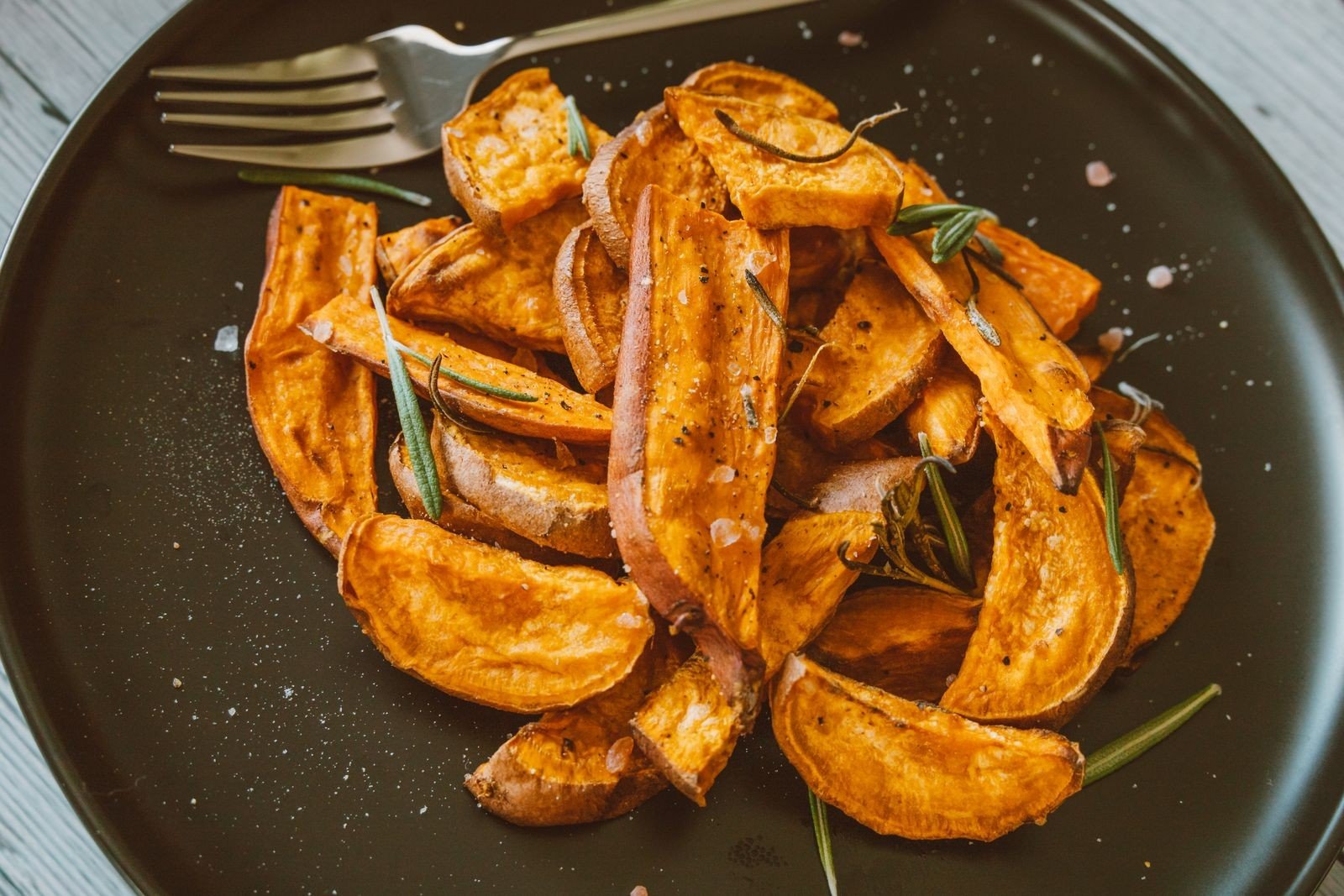
Roasting wedges or cubes with olive oil, salt, smoked paprika, garlic, or cinnamon makes a side dish people actually ask for again. Spread them in one layer so they crisp instead of steaming.
Air-frying works well for fries with less oil. Keep the pieces even so they cook at the same rate.
Microwaving is the fastest route — about 5 to 8 minutes for a medium one — and preserves nutrients well because the cooking time is short.
Some simple ways to add them to your week:
- Swap them in for white potatoes in mash, shepherd’s pie, or breakfast hash with eggs and peppers.
- Blend cooked sweet potato into soups, curries, and pasta sauces for natural thickness and sweetness.
- Add cold, cubed leftovers to grain bowls and salads for resistant starch and fiber.
- Use mashed sweet potato in baking — muffins, pancakes, and brownies stay moist with less added fat.
- Pair them with hearty breakfast foods; they sit nicely alongside the kind of fiber-rich mornings discussed in our article on oats and their health benefits, even if the two rarely share the same plate.
One pairing tip worth remembering: serve sweet potatoes with a little healthy fat — olive oil, tahini, avocado, or a knob of butter — so the beta-carotene absorbs properly. A squeeze of lime or a side of vitamin C-rich peppers or greens can also help with iron absorption from plant foods in the same meal.
Raw sweet potato is safe in small amounts for most people, but it is hard, starchy, and not very pleasant. Cooking makes it far more digestible and unlocks the beta-carotene, so cooked is the way to go.
How Much Sweet Potato Is Sensible to Eat?
For most healthy adults, one medium sweet potato a day — or a similar portion a few times a week — fits comfortably into a balanced diet. That portion already covers your vitamin A needs for the day, so there is no nutritional pressure to eat huge amounts.
Variety matters more than quantity. Rotate sweet potatoes with other vegetables and starches across the week so you get a wider mix of nutrients. If sweet potato is your main vegetable every single day, you are missing out on what leafy greens, cruciferous vegetables, and legumes bring.
Children can enjoy smaller portions, mashed or as soft wedges. For babies starting solids, plain cooked and mashed sweet potato is a popular first food because it is soft, mild, and nutrient-dense — always follow your pediatrician’s guidance on introducing foods.
Side Effects and Who Should Be Careful
Sweet potatoes are safe for the great majority of people, but a few honest cautions are worth knowing.
Kidney concerns and oxalates: Sweet potatoes contain oxalates, natural compounds also found in spinach and beets. If you have a history of calcium-oxalate kidney stones, your doctor may advise moderating high-oxalate foods. People with advanced kidney disease who must limit potassium should also check with their care team before eating large portions regularly, since sweet potatoes are fairly high in potassium.
Blood sugar management: As noted above, sweet potatoes contain meaningful carbohydrates. People with diabetes should watch portion size and total meal carbs rather than treating them as a free food.
Beta-carotene overload: Eating very large amounts of orange vegetables for a long time can turn palms and skin slightly orange-yellow, a condition called carotenemia. It is considered harmless and reversible, but it is a sign to vary your diet. This is different from vitamin A toxicity, which is linked to high-dose supplements, not to beta-carotene from food.
Allergy and sensitivity: True sweet potato allergy is rare, but possible. Stop eating it and seek advice if you notice itching, swelling, or stomach trouble that repeats after eating it. Some people also find large portions cause mild bloating because of the fiber and natural sugars — smaller portions usually solve that.
Medication note: Sweet potatoes are not known for the strong drug interactions some foods have. Still, if you take medication for blood pressure or blood sugar, large dietary changes are worth mentioning to your clinician, since potassium and carb intake can matter in your overall plan.
This article is general information only and is not medical advice. If you have a medical condition or take regular medication, speak with your doctor or a registered dietitian about what is right for you.

Frequently Asked Questions
Are sweet potatoes healthier than regular white potatoes?
Both can be part of a healthy diet, but sweet potatoes offer more fiber, far more vitamin A, and usually a gentler blood sugar response when boiled. White potatoes have their own strengths, including potassium and vitamin C. Sweet potatoes simply bring a broader nutrient package for similar calories.
Can I eat sweet potatoes every day?
For most people, yes — a medium portion daily is fine and covers your vitamin A needs nicely. Just keep the rest of your diet varied, vary your cooking methods, and watch sweet toppings. If you have kidney issues or diabetes, check portions with your care team first.
Is it better to boil or bake sweet potatoes?
Both are good choices. Boiling tends to keep the glycemic index lower and preserves sweetness without concentrating sugars, while baking gives a richer, creamier texture. Microwaving and steaming also retain nutrients well. Deep-frying adds the most fat and calories, so enjoy fries as an occasional treat.
Should I eat the skin of a sweet potato?
Yes, if it is well washed. The skin holds a good share of the fiber and some minerals, and it becomes tender and tasty when baked or roasted. Just scrub it under water and cut away any bruised or damaged spots before cooking.
Do sweet potatoes help with weight loss?
No food causes weight loss on its own, but sweet potatoes can make a calorie-aware diet easier because they are filling, naturally sweet, and satisfying for their calories. Swapping them in for more processed sides is a practical step. Overall eating patterns, portions, and activity still decide the outcome.
Are purple sweet potatoes better than orange ones?
They are different rather than strictly better. Orange types are highest in beta-carotene for vitamin A, while purple types are richer in anthocyanin antioxidants, similar to those in blueberries. Both are nutritious, so choose by taste, price, and what is fresh near you.
Can people with diabetes eat sweet potatoes?
Many people with diabetes include them successfully, especially boiled, in moderate portions, and paired with protein, fat, and vegetables. Because they do contain carbohydrates, portions should be counted in the meal plan. Personal guidance from your diabetes care team always comes first.
How should I store sweet potatoes?
Keep them in a cool, dark, well-ventilated spot — a pantry basket is ideal — and they will last one to two weeks, sometimes longer. Do not store raw sweet potatoes in the fridge, as cold can change their texture and taste. Cooked leftovers keep in the fridge for about three to four days.
Conclusion
Sweet potatoes earn their good reputation honestly. They are affordable, easy to cook, naturally sweet, and loaded with vitamin A, fiber, and potassium. The real sweet potato health benefits are not dramatic miracles — they are the steady kind: supporting your eyes, gut, skin, and immune system, bite after ordinary bite, as part of meals you actually enjoy.
Start simple. Bake one this week, eat the skin, add a little olive oil and your favorite seasoning, and see how satisfying a humble root vegetable can be. When a food tastes this good and asks so little of you, keeping it in your regular rotation is one of the easiest healthy choices you can make.



Pingback: Carrot Benefits for Health (Eyes, Skin, and Immunity)