
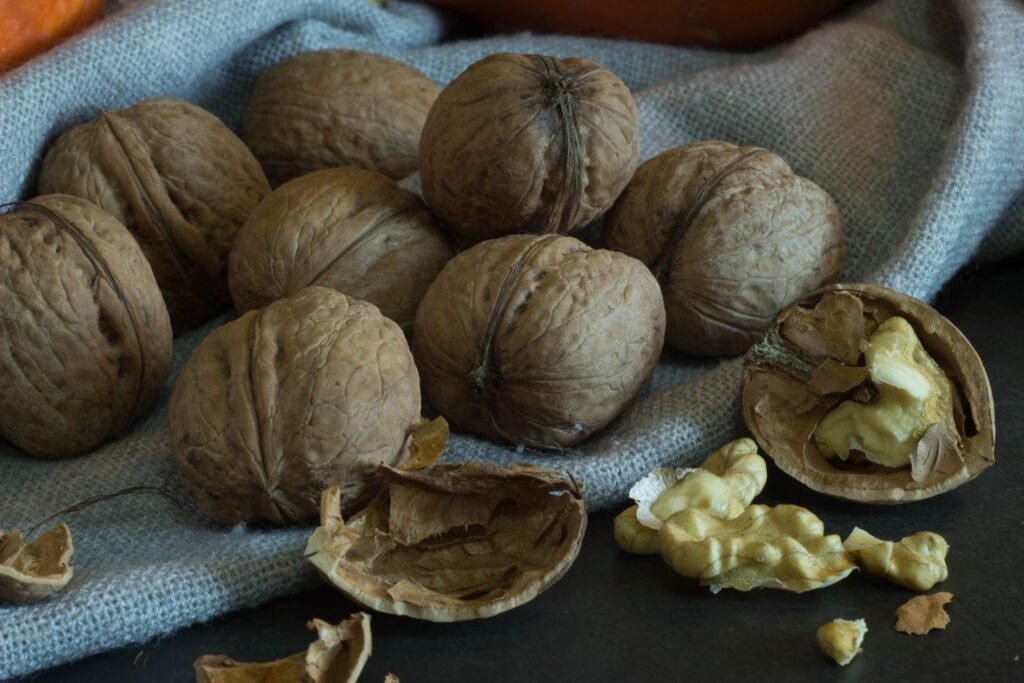

Crack open a walnut’s rough, wrinkled shell and you find a kernel that looks, quite famously, a little like a tiny brain. That resemblance is a fun coincidence, but walnuts have earned their reputation for much more solid reasons than their shape.
Walnuts are one of the most nutrient-dense nuts you can eat. A small handful gives you healthy fats, plant protein, fiber, and a long list of minerals, in a crunchy, slightly earthy food that needs no cooking. In this article, we will look honestly at the walnuts benefits for health: what is in them, how they may help support your brain, heart, and gut, how much is sensible to eat, and who needs to be careful with them.
Quick Benefits at a Glance
- Rich in ALA, a plant-based omega-3 fat linked in studies to heart and brain support
- May help support healthy cholesterol levels when they replace snacks high in saturated fat
- Packed with antioxidants and polyphenols — plant compounds that help protect cells from everyday wear and tear
- A good source of magnesium, copper, manganese, and other minerals many people do not get enough of
- The mix of fat, protein, and fiber helps you feel full, which can make mindful snacking easier
- May help support a healthy gut by feeding beneficial gut bacteria
- Contains small amounts of melatonin and other compounds studied in relation to sleep and mood
- Versatile and satisfying — easy to add to breakfasts, salads, baking, and simple snacks
What Is in Walnuts? The Nutrition Basics
Walnuts are energy-dense, which simply means a small amount carries a lot of calories — so portion size matters, as we will see later. Here are the approximate standard nutrition values per 100 grams (about 3.5 ounces) of raw walnuts:
- Calories: about 654 kcal
- Protein: about 15 g
- Total fat: about 65 g
- Saturated fat: about 6 g
- Monounsaturated fat: about 9 g
- Polyunsaturated fat: about 47 g, including roughly 9 g of ALA (alpha-linolenic acid, the plant form of omega-3)
- Carbohydrates: about 14 g
- Fiber: about 6.7 g
- Sugars: about 2.6 g
- Calcium: about 98 mg
- Magnesium: about 158 mg
- Phosphorus: about 346 mg
- Potassium: about 441 mg
- Iron: about 2.9 mg
- Zinc: about 3.1 mg
- Copper: about 1.6 mg
- Manganese: about 3.4 mg
- Folate: about 98 micrograms
- Vitamin B6: about 0.5 mg
- Vitamin E: about 0.7 mg
These are approximate standard values; exact amounts vary a little by variety. A typical serving is 28 to 30 grams — a small handful, or about 14 halves — giving you around 185 calories, about 4 grams of protein, and close to 2 grams of ALA omega-3.
That ALA is what sets walnuts apart. Most nuts are rich in monounsaturated fats, but walnuts are unusual for their polyunsaturated fat, especially ALA. Your body converts only a small amount of ALA into the longer-chain omega-3s found in oily fish, so walnuts are not a replacement for fish — but they are one of the best plant sources of omega-3 you will find.
A Closer Look at the Benefits
They May Help Support Brain Health
Your brain is a fatty organ, and the kinds of fats you eat over time are part of the building material it uses. The ALA in walnuts, along with their polyphenols and vitamin E, is one reason researchers have studied walnuts in relation to memory and thinking skills as people age.
Observational studies — the kind that follow large groups of people and look at patterns in their diets — have linked regular walnut consumption to better cognitive performance in some groups. That does not prove walnuts protect the brain on their own, and evidence is still developing. Diet, sleep, and exercise all play a part too. Still, walnuts also provide folate and magnesium, both involved in normal nervous system function, so a regular handful fits well with eating for long-term brain health.
Good News for Your Heart
Heart health is where the research on walnuts is strongest. Eating walnuts regularly, especially in place of snacks high in saturated fat, is linked in studies to modest improvements in LDL cholesterol — the type often called “bad” cholesterol — and in total cholesterol.
The polyunsaturated fats in walnuts tend to improve the fat profile of the blood compared with saturated fats. Walnuts also contain small amounts of plant sterols and fiber, and their antioxidants may help support the normal, flexible function of blood vessels. Some research suggests a modest benefit for blood pressure within an overall heart-friendly eating pattern, though walnuts are not a treatment for high blood pressure. Swapping a pastry or a handful of chips for walnuts is the kind of small change that adds up over months and years.
A Strong Source of Antioxidants
Every day, your body deals with free radicals — unstable molecules produced by normal metabolism, sunlight, pollution, and stress. Antioxidants help keep that process in balance. Walnuts are notably rich in polyphenols, a large family of protective plant compounds, concentrated in the thin, slightly bitter brown skin on the kernel — a good reason to eat walnuts with their skins on.
Walnuts also supply vitamin E in a form called gamma-tocopherol, plus small amounts of selenium and melatonin. Together, these compounds help explain why walnuts are often described as an anti-inflammatory food. Diets rich in whole plant foods are consistently associated with healthier inflammatory markers, and walnuts are one helpful piece of that pattern — not a cure for inflammatory conditions. If you enjoy comparing nuts, our guide to almonds and their everyday health benefits covers a nut that complements walnuts nicely.
How Walnuts May Support Your Gut
Your gut is home to trillions of bacteria, and what you feed them matters. Walnuts provide fiber and polyphenols that reach the large intestine, where gut bacteria ferment them and produce helpful compounds. In feeding studies, people who ate walnuts daily for several weeks showed increases in certain beneficial bacteria.
A healthier gut environment is linked to smoother digestion and a stronger gut barrier, though this science is still young and results vary from person to person. Most people find a moderate portion easy to digest, especially chewed well and eaten as part of a meal or mixed snack.

Help With Feeling Full and Managing Weight
It sounds backwards: how can a food with 654 calories per 100 grams help with weight? The answer is satiety — how full a food makes you feel. Walnuts combine fat, protein, and fiber, a trio that slows digestion and steadies hunger, so a small handful often keeps you going longer than a sugary snack.
Research also suggests your body may not absorb every calorie in a walnut, because some fat stays locked inside the nut’s cell walls during digestion. Still, walnuts are not a weight-loss food, and eating them by the bagful will add up. If you are watching your intake, work out your daily target with our calorie calculator and fit a measured handful into it. Pre-portioning into small containers helps too.
Support for Blood Sugar Balance
Walnuts are naturally very low in available carbohydrate and have a minimal effect on blood sugar on their own, making them a smart snack for people mindful of glucose levels, including many people with type 2 diabetes — though your care team’s advice always comes first.
Their healthy fats and fiber can also slow how quickly a carbohydrate-containing meal is digested, which may help soften blood sugar rises after eating. Some observational research links regular nut consumption with a lower risk of developing type 2 diabetes, but that is an association with overall eating patterns, not proof walnuts prevent the condition.
Sleep, Mood, Bones, and Skin
Walnuts contain a small amount of melatonin, the hormone your body uses to regulate its sleep-wake cycle. The amount is modest, so walnuts are not a sleeping pill, but a small bowl of yogurt with walnuts instead of a late sugary dessert fits well into habits that support better sleep. Magnesium and healthy fats also play supporting roles in mood, and diets rich in whole foods are linked in studies to better mental well-being.
Walnuts also contribute bone-friendly minerals — magnesium, phosphorus, and copper — and copper and manganese help your body form connective tissue. No single food keeps bones strong, but walnuts pull their weight in a varied diet. For skin, their healthy fats, vitamin E, and antioxidants may help support normal structure and hydration over time.
How to Eat Walnuts: Easy, Tasty Ideas
Raw walnuts have a clean, slightly bitter finish. Lightly toasting them in a dry pan for a few minutes deepens the flavor — just watch them closely, because nuts go from golden to burnt quickly. Easy ways to use them through the week:
- Breakfast: Stir chopped walnuts into oatmeal, overnight oats, or yogurt with berries.
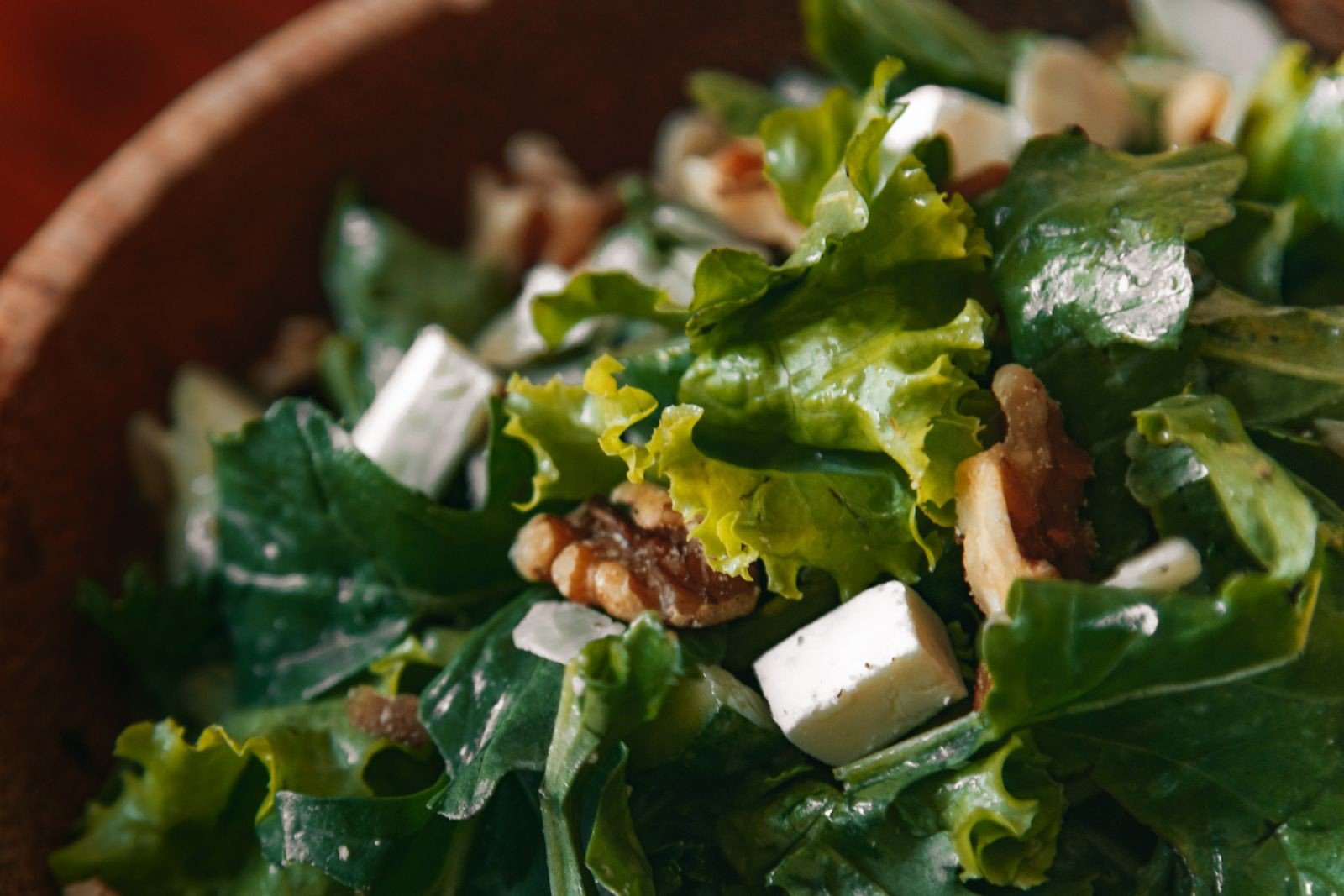
- Salads: Scatter toasted walnuts over leafy greens, pear, or a warm lentil salad.
- Main meals: Blend walnuts into pesto, stir them into pasta with roasted vegetables, or use them in a stuffing for peppers or mushrooms.
- Baking: Fold them into banana bread, muffins, brownies, or homemade granola.
- Snacks: Pair a handful with an apple, a few dates, or a small piece of cheese.
- Smoothies and toppings: Blend walnut butter into a smoothie, or sprinkle crushed walnuts over soup.
Walnut oil is lovely in dressings, but its low smoke point makes it better for drizzling than frying. Walnuts also make a fine plant-based partner to oily fish across the week — our article on the benefits of eating fish explains how the two sit side by side in a balanced pattern. Store walnuts in an airtight container in the fridge or freezer, since their delicate fats can go rancid; throw away any that taste sharp or unpleasant.
How Many Walnuts a Day Is Sensible?
For most healthy adults, about 28 to 30 grams a day — a small handful, roughly 14 halves — is a sensible amount. It gives you most of the nutritional upside, including a solid dose of ALA, for around 185 calories.
You do not need to eat them daily. That handful four or five days a week, as many studies have used, is a realistic rhythm. If you eat other nuts and seeds too, rotate them across the week rather than doubling up large portions of each. Children can enjoy smaller portions, always chopped or ground for younger children, since whole nuts are a choking hazard. If walnuts are new to you, start with a few and build up while your digestion adjusts.
Side Effects and Who Should Be Careful
Walnuts are well tolerated by most people, but they are not right for everyone.
Nut allergy is the most important caution. Walnuts are a tree nut, and walnut allergy can be serious, even life-threatening. Reactions can include hives, swelling, breathing difficulty, and anaphylaxis. If you have a known tree nut allergy, avoid walnuts unless your allergist has told you otherwise, and check labels carefully — walnuts hide in baked goods, pesto, and cereals. Walnuts also cross-react for some people with pecan allergy.
Calories add up quickly. Eating 100 grams straight from the bag can add more than 650 calories without you feeling especially full. Measure a portion if this sounds familiar.
Digestive discomfort. Large servings can cause bloating, gas, or loose stools, thanks to the fat and fiber load. Smaller portions, chewed well, usually solve this.
Kidney stones and oxalates. Walnuts contain a moderate amount of oxalates. If you have a history of calcium oxalate kidney stones and have been advised to limit oxalate-rich foods, ask your doctor how walnuts fit your plan.
Medication and medical conditions. Walnuts are not known for grapefruit-style drug interactions, but their omega-3 fats can have a mild blood-thinning tendency at high intakes. If you take blood-thinning medication or are preparing for surgery, mention regular large amounts to your healthcare team. Treat walnuts as food, not as a substitute for prescribed treatment. Also discard any stored in warm, damp conditions that taste sharp or off, as nuts can develop moulds.
This article is general information only and is not medical advice. If you have an allergy, a medical condition, or concerns about your diet, please speak with a qualified healthcare professional.
Frequently Asked Questions
Are walnuts good for your brain?
Walnuts provide ALA omega-3 fats, polyphenols, folate, and magnesium, all involved in normal brain function. Studies link regular walnut consumption with better cognitive performance in some groups, though the evidence concerns dietary patterns rather than walnuts alone. They are a sensible food for brain health, not a guarantee against memory problems.
How many walnuts should I eat a day?
About a small handful — 28 to 30 grams, or roughly 14 halves — is sensible for most adults, giving you around 185 calories and a good dose of ALA. A few times a week still fits a healthy pattern.
Do walnuts help lower cholesterol?
Eating walnuts regularly, especially instead of snacks high in saturated fat, is linked in studies to modest reductions in LDL and total cholesterol. The effect is moderate and works best within a heart-friendly diet. Walnuts should not replace prescribed cholesterol medication.
Are walnuts fattening?
Walnuts are calorie-dense, so large, unmeasured portions can contribute to weight gain. In sensible handful-sized amounts, though, their fat, protein, and fiber help you feel full, and studies generally do not link moderate nut eating with weight gain. Portion awareness is the key difference.
Are walnuts better raw or roasted?
Both are fine. Raw walnuts keep their delicate fats and slightly bitter skin exactly as nature made them, while light roasting improves flavor and crunch. Avoid heavily salted or sugar-coated versions if you eat walnuts often, and roast gently at home if you prefer them toasted.
Can people with diabetes eat walnuts?
Walnuts are very low in carbohydrate and have little direct effect on blood sugar, so they are generally a good snack choice for people with diabetes. Always follow your care team’s guidance.
Do walnuts contain omega-3 like fish does?
Walnuts contain ALA, the plant form of omega-3, in generous amounts. Your body converts only a small portion into the EPA and DHA found directly in oily fish, so walnuts complement fish rather than replacing it. For people who do not eat fish, they are still one of the best plant omega-3 sources available.
How should I store walnuts to keep them fresh?
Keep shelled walnuts in an airtight container in the refrigerator for a few months, or in the freezer for longer. Their delicate fats can turn rancid at room temperature. If a walnut tastes sharp or paint-like, discard it.
Conclusion
Walnuts are not a miracle food, and they do not need to be. They are simply a nourishing, satisfying whole food that happens to be one of the best plant sources of omega-3 fats, with a supporting cast of minerals, fiber, and antioxidants.
Add a small handful to breakfast, a salad, or an afternoon snack a few times a week, and you are making a quiet, sustainable choice that may help support your brain, heart, and gut. That is what the real walnuts benefits for health look like — not a dramatic promise, but a good habit you will actually enjoy keeping.



Pingback: Benefits of Eating Fish: Omega-3, Heart and Brain Health
Pingback: Almond Benefits for Health (How Many to Eat a Day)
Pingback: Brazil Nut Benefits for Health (Selenium, Thyroid, and Mood)
Pingback: Coffee Benefits for Health (Energy, Brain, and What to Watch)