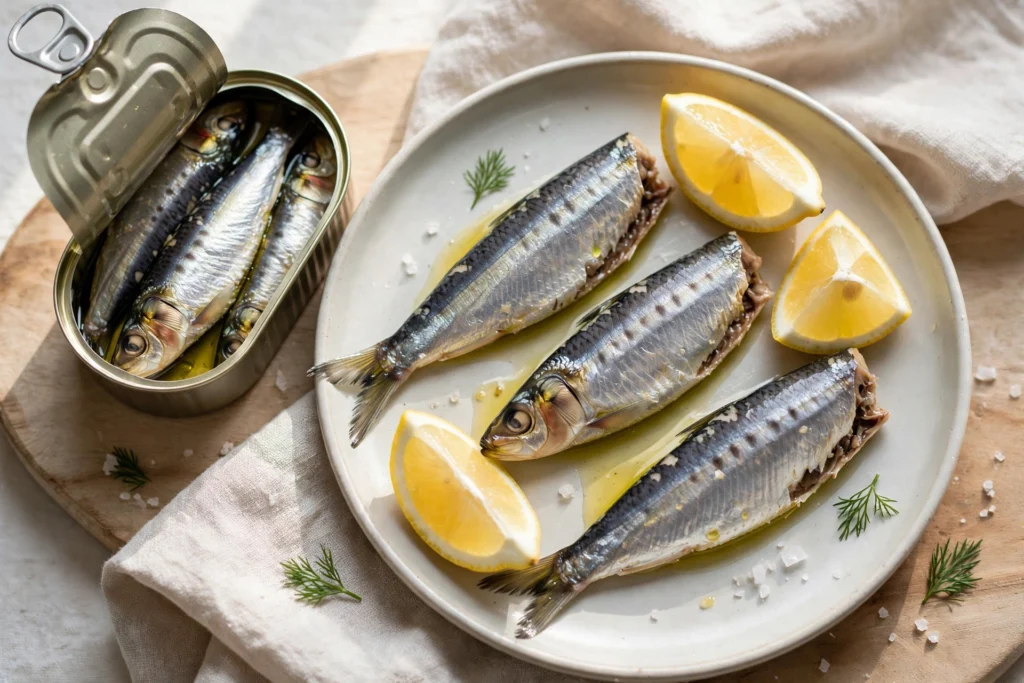

Sardine benefits for health are easy to overlook because sardines themselves are so humble. They come in a tin, they are small, and they do not have the glamour of salmon or the fame of tuna. But ounce for ounce, sardines are one of the most nutritious foods in any grocery store, and they are also one of the cheapest.
Sardines are small oily fish that live in the Atlantic and Pacific oceans, and they are eaten whole, bones and all, which is part of what makes them so nutritious. A single tin of sardines gives you a large dose of omega-3 fats, vitamin D, vitamin B12, calcium, and selenium, all for a fraction of the price of salmon. They are also one of the lowest-mercury fish you can eat, because they are small and short-lived.
This article looks at what sardines may do for your heart, bones, brain, and more, how to eat them if you are new to them, and the few cautions to keep in mind. The short version is that sardines are a small fish with a big nutritional payoff, and they deserve more respect than they get.
1. Omega-3 Fats for Heart Health
Sardines are one of the richest sources of EPA and DHA, the two long-chain omega-3 fats that have been studied most for heart health. A 100-gram serving of sardines provides about 1.5 grams of EPA and DHA combined, which is close to what salmon provides and far more than most other foods. These fats help lower triglycerides, a type of fat in the blood linked to heart risk, and they help keep blood pressure in a healthy range.
Large studies have found that people who eat oily fish regularly tend to have lower rates of heart disease and stroke than people who rarely eat fish. The American Heart Association recommends eating oily fish at least twice a week, and sardines are one of the easiest and cheapest ways to do that. Omega-3 fats also help keep heart rhythm steady, which is one reason they are linked to a lower risk of sudden cardiac events.
Sardines have a practical advantage over larger fish: they are small, so they accumulate far less mercury, which means you can eat them more often without worrying. A tin of sardines two or three times a week is a simple, affordable way to cover your omega-3 needs. For more on fish in general, see our guide to Benefits of Eating Fish (Omega-3, Heart, and Brain Health).
2. Calcium for Strong Bones
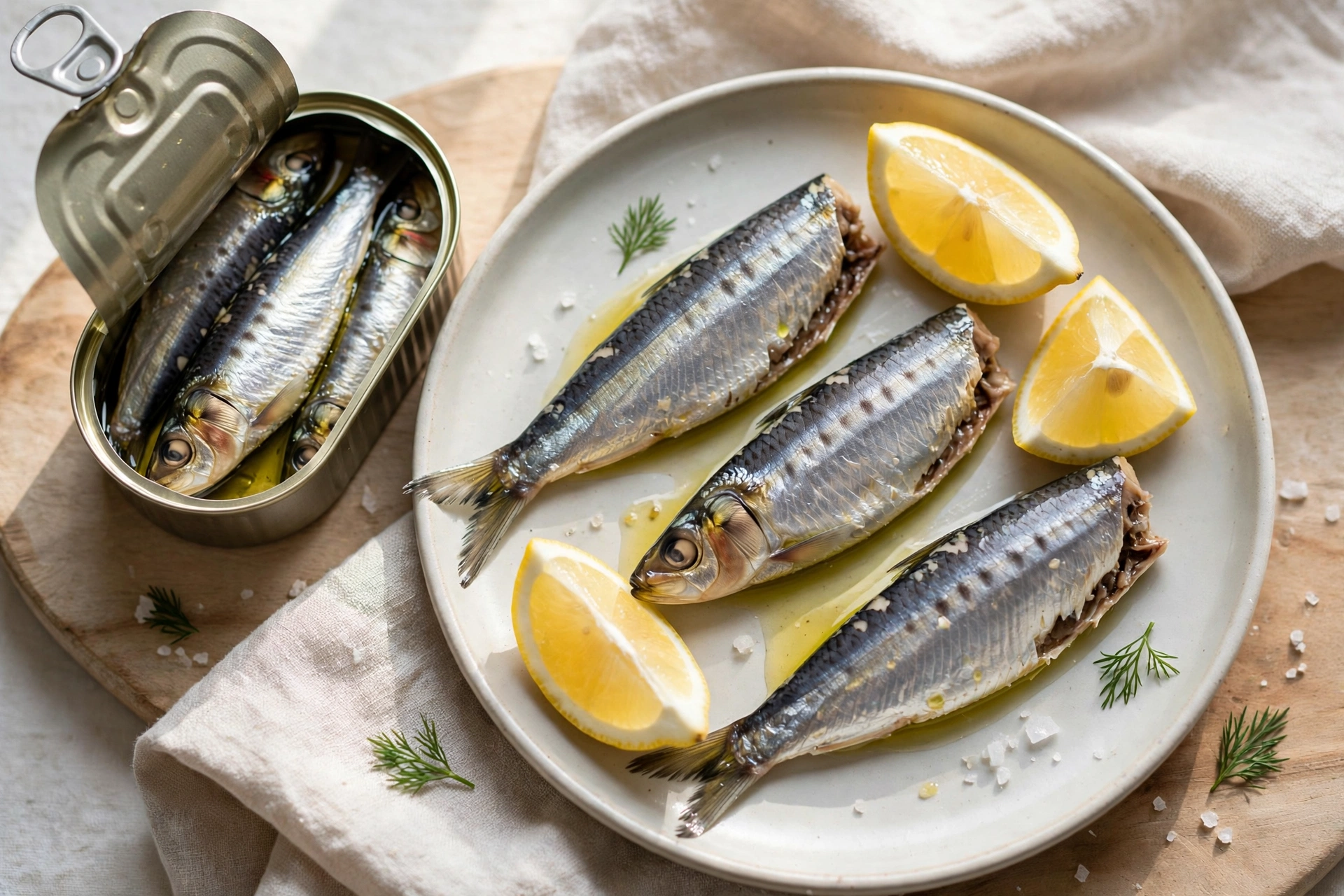
Sardines are one of the best food sources of calcium, and the reason is simple: you eat the bones. The soft, edible bones in canned sardines are rich in calcium, and a 100-gram serving provides about 380 milligrams, more than a third of the daily need for most adults. That is more calcium than a glass of milk provides in the same weight, and it comes with vitamin D, which helps the body absorb it.
Calcium gets most of the attention, but bones need a team of nutrients, and sardines bring several of them at once. Vitamin D helps the body use calcium properly, phosphorus is part of bone mineral itself, and magnesium supports bone structure. Sardines contain all three, which makes them a genuinely useful food for bone health, especially for people who do not eat dairy.
Research on fish and bone health is still growing, but population studies have linked higher fish intake to better bone density in older adults. Sardines are not a treatment for osteoporosis, and anyone with bone concerns should follow their doctor’s advice. As a food, though, sardines are one of the strongest calcium sources outside of dairy, and they are worth eating regularly.
3. Brain Health and Memory
The brain is about 60 percent fat, and DHA is one of the main fats in brain cell membranes. Sardines are one of the richest food sources of DHA, and research has linked higher DHA intake to better memory and slower cognitive decline in older adults. Some studies have found that people who eat fish regularly have larger brain volumes in areas linked to memory, though the evidence is still growing.
Omega-3 fats also play a role in mood. Several studies have found that people who eat more oily fish tend to report better mood and lower rates of depression, and some trials have found that omega-3 supplements help with depressive symptoms, though the results are mixed. Sardines are not a treatment for depression, and it would be wrong to suggest that, but a diet rich in omega-3 fats supports brain health in a way that is hard to get from other foods.
Sardines also provide vitamin B12, with a single serving giving you several times the daily need. Vitamin B12 is essential for nerve function and the production of red blood cells, and low B12 has been linked to memory problems and fatigue, especially in older adults. For people who eat little meat, sardines are one of the best ways to cover B12.
4. Vitamin D for Bones and Immunity
Sardines are one of the few foods that is naturally rich in vitamin D. A 100-gram serving provides about 5 to 8 micrograms of vitamin D, which is a third to half of the daily need for most adults. Vitamin D helps the body absorb calcium, which keeps bones strong, and it supports immune function. Many people do not get enough vitamin D, especially in winter or in places with little sunlight, and food sources are few.
Wild salmon has more vitamin D than sardines, but sardines are far cheaper and easier to keep in the pantry. A tin of sardines with a salad or on toast is a practical way to add vitamin D to a meal without cooking anything. The vitamin D in sardines comes with calcium in the same serving, which is a useful combination, since vitamin D helps the body use that calcium.
Vitamin D deficiency has been linked to weaker bones, more frequent infections, and poorer mood, though the evidence for some of these links is still debated. What is clear is that vitamin D is essential, and that many people are low in it. Eating sardines a few times a week is a simple way to cover a good share of your need through food. For another vitamin D food, see our guide to Mushroom Health Benefits (Immunity, Vitamin D, and More).
5. Protein and Everyday Nutrition
A 100-gram serving of sardines provides about 25 grams of complete protein, with all nine essential amino acids in good amounts. That is more protein per serving than salmon, and it comes at a much lower price. That protein supports muscle repair, immune function, and the production of enzymes and hormones.
Sardines also provide selenium, with a single serving giving you more than the full daily need. Selenium supports thyroid function and antioxidant defenses, and it is one of the nutrients that many people do not get enough of. Sardines provide iron, phosphorus, and potassium in useful amounts as well, which makes a single tin a remarkably complete food.
For athletes and active people, sardines work well as a post-workout food because they provide protein alongside omega-3 fats, which may help with muscle recovery and soreness. They are also easy to carry and need no cooking, which makes them practical for lunches and travel. If you want more protein ideas, see our guide to Egg Benefits for Health (Protein, Brain, and Eye Nutrition).
6. Eye Health and Vision
DHA is a major structural fat in the retina, the light-sensitive tissue at the back of the eye, and sardines are one of the richest food sources of it. Research has linked higher omega-3 intake to a lower risk of age-related macular degeneration, a common cause of vision loss in older adults. One large study found that people who ate oily fish twice a week had a lower risk of developing the condition.
Sardines also contain vitamin A in small amounts, which supports night vision and the health of the eye surface. The omega-3 fats in sardines may also help with dry eye, a common problem that causes irritation and blurred vision. Some studies have found that people with dry eye who eat more omega-3 fats report less discomfort, though the evidence is still growing.
Eye health depends on many things, including blood sugar, blood pressure, and smoking, and sardines are not a treatment for eye disease. But a diet rich in omega-3 fats, leafy greens, and colorful vegetables supports the eyes over the long term, and sardines are one of the strongest omega-3 foods in that pattern.
7. Healthy Weight and Satiety
Sardines are a filling food for their calories. A 100-gram serving carries about 200 calories and provides 25 grams of protein, which keeps hunger away far longer than the same calories from pasta or bread. Studies on high-protein foods consistently link them to better appetite control, and sardines are one of the most satisfying protein foods you can eat.
Research on oily fish and weight has found that people who eat fish regularly tend to have lower body weight than people who eat more red meat, though the difference is modest and the overall diet matters more than any single food. Sardines are not a weight-loss food on their own, but they make portion control easier, and they replace higher-fat meats in the diet.
For weight management, the way you eat sardines matters. Sardines on whole-grain toast with salad is a lean, filling meal, while sardines in a rich, creamy sauce add a lot of calories. A simple tin of sardines with vegetables and bread is a complete, satisfying lunch that does not leave you hunting for a snack an hour later.
8. Coenzyme Q10 and Heart Energy
Sardines are a good source of coenzyme Q10, often called CoQ10, a compound the body uses to produce energy in cells. CoQ10 is found in the highest amounts in the heart, liver, and other organs that use a lot of energy, and it also acts as an antioxidant. Sardines provide more CoQ10 than most other fish, which is one more reason they punch above their weight nutritionally.
Research on CoQ10 has focused on heart health, and some studies have found that CoQ10 supplements help people with heart failure and people who take statin medications, which can lower CoQ10 levels in the body. The evidence for supplements is mixed, and sardines are not a treatment for heart disease, but getting CoQ10 from food is a safe and sensible way to cover a nutrient that the body needs.
The body makes its own CoQ10, and production declines with age, which is why food sources become more valuable as we get older. Sardines provide CoQ10 alongside omega-3 fats, vitamin D, calcium, and protein, which makes a single tin a remarkably complete food for heart health. That combination is hard to match at any price, and it is one more argument for keeping a few tins of sardines in the pantry.
How to Eat It
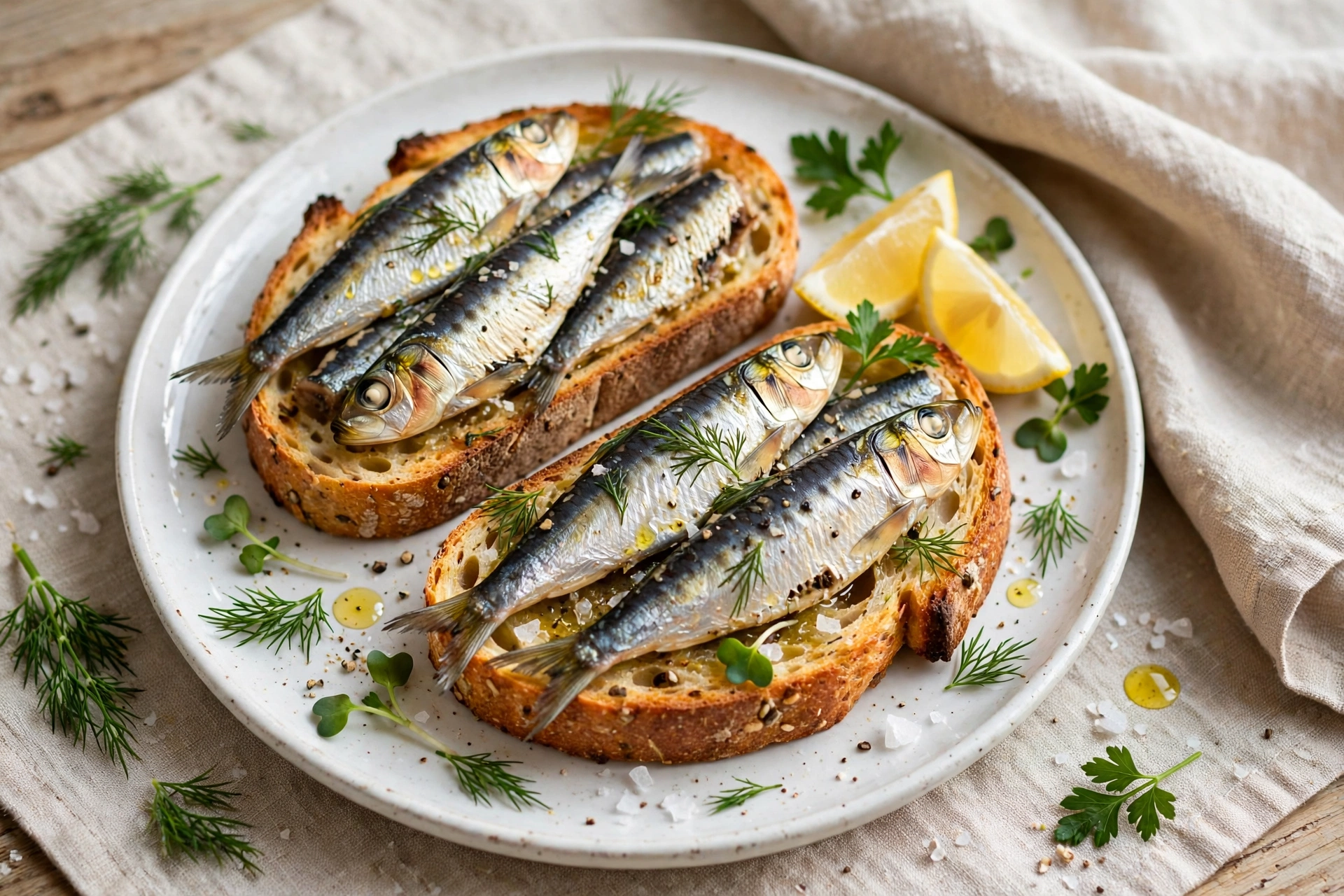
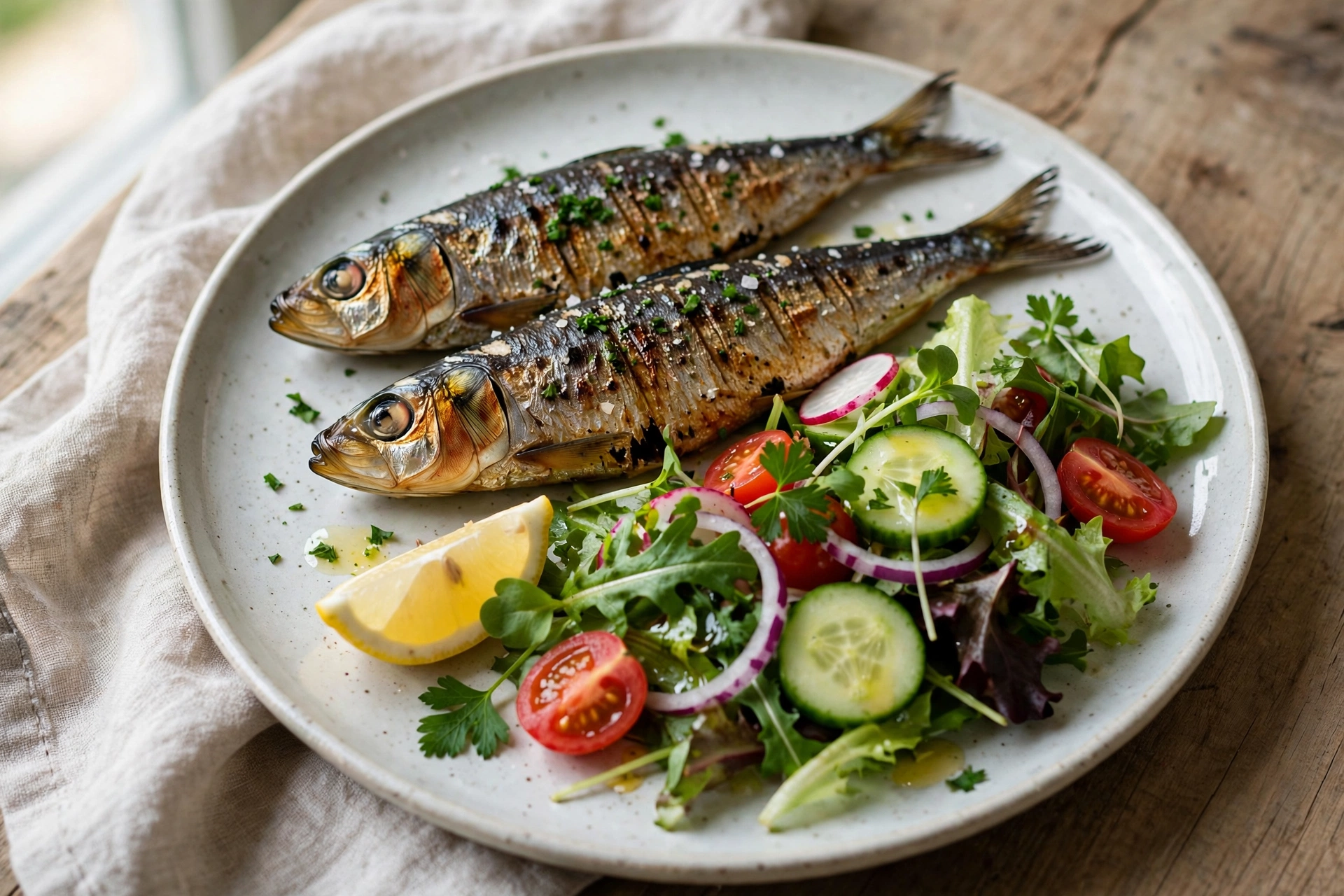
The simplest way to eat sardines is straight from the tin, on toast with lemon, olive oil, and a little black pepper. They also work in salads, pasta, and sandwiches, and they are delicious mashed with avocado or mixed into a tomato sauce. A tin of sardines two or three times a week is a good target.
If you are new to sardines, start with the boneless, skinless kind in olive oil, which is milder and easier to get used to. Lemon juice, garlic, herbs, and hot sauce all help balance the strong flavor. Sardines in tomato sauce are another gentle introduction. Buy sardines packed in olive oil or water rather than soybean oil when you can, and look for tins from a reliable brand.
Cautions
Mercury is very low in sardines, which is one of their biggest advantages. They are small, short-lived fish, so they accumulate far less mercury than tuna, swordfish, or shark. Most adults can safely eat sardines several times a week, and they are one of the best fish choices for pregnant women and children, within local guidelines.
Sardines are high in purines, which the body turns into uric acid, so people with gout should keep portions moderate and talk to their doctor. They are also high in sodium, especially the canned kind, so rinse them or choose low-sodium tins if blood pressure is a concern. Some people are allergic to fish, and sardine allergy can be serious, so anyone with a fish allergy should avoid them completely. Finally, sardines are calorie-dense for their size, so a tin is a serving, not a snack to eat alongside a full meal without counting it.
FAQ
How often should I eat sardines?
Two to three times a week is a good target for most adults, with a tin of about 100 grams each time. That gives you a strong dose of omega-3 fats, vitamin D, calcium, and B12. Because sardines are very low in mercury, eating them more often is safe for most people, though variety in your diet is still a good idea.
Are sardines better than salmon?
Both are excellent, and they have different strengths. Sardines are cheaper, lower in mercury, and richer in calcium and B12, while salmon is milder in flavor, higher in vitamin D, and easier to cook fresh. Sardines win on value and calcium, salmon wins on taste and versatility. Eating both is the best answer.
Do sardines help with bone health?
Yes, sardines are one of the best food sources of calcium, because you eat the soft bones. A 100-gram serving provides about 380 milligrams of calcium, plus vitamin D, which helps the body absorb it. They are a genuinely useful food for bone health, especially for people who do not eat dairy.
Are canned sardines healthy?
Yes, canned sardines are very healthy and just as nutritious as fresh sardines. Canning preserves the omega-3 fats, protein, and minerals, and the soft bones add calcium. Choose sardines packed in olive oil or water, and look for low-sodium versions if blood pressure is a concern.
Can I eat sardines if I have gout?
Sardines are high in purines, which raise uric acid levels, so people with gout should be cautious. Small portions occasionally may be fine for some people, but it depends on your individual situation. Talk to your doctor about how much, if any, sardines fit into your diet.
Conclusion
Sardines are a small fish with an outsized nutritional profile. They deliver omega-3 fats, calcium, vitamin D, B12, and protein in a tin that costs very little and needs no cooking. They are low in mercury, good for heart, brain, and bone health, and easy to eat a few times a week. Start with the milder kinds, add lemon and herbs, and let sardines be a regular, affordable part of a varied diet. Sometimes the humblest foods are the ones worth keeping around.
Sources
Wikipedia — Sardine
Harvard Health Publishing — Eating fish for heart health