
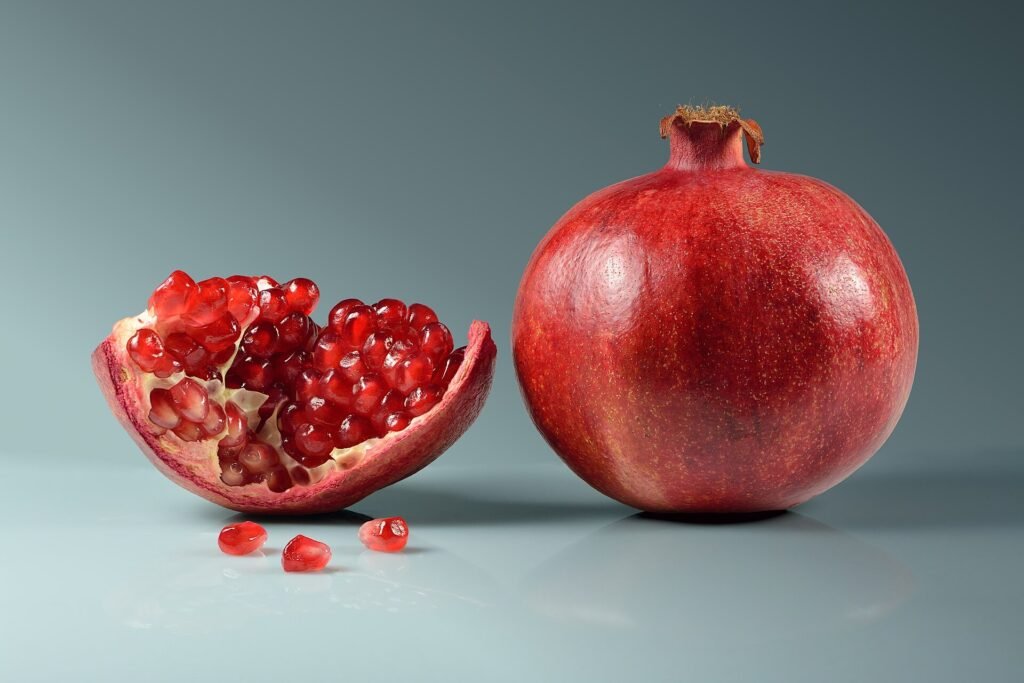

Few fruits make you slow down quite like a pomegranate. You cut it open, and inside are hundreds of jewel-like red seeds, called arils, each one bursting with sweet-tart juice. It takes a little patience to eat, but that is part of its charm — and part of why so many people have loved it for thousands of years across the Middle East, India, and the Mediterranean.
Today, pomegranate is popular for more than its flavor. People add it to salads, smoothies, and breakfast bowls, and they drink its juice hoping it will support their heart, skin, and overall health. Some of that excitement is well placed, because pomegranate is genuinely rich in fiber, vitamin C, and protective plant compounds. Some of it, as with many trendy foods, goes a bit too far.
This article takes an honest look at pomegranate benefits for health. You will find what is actually in the fruit, what the evidence reasonably suggests, how to enjoy it in everyday meals, and who should be a little careful with it.
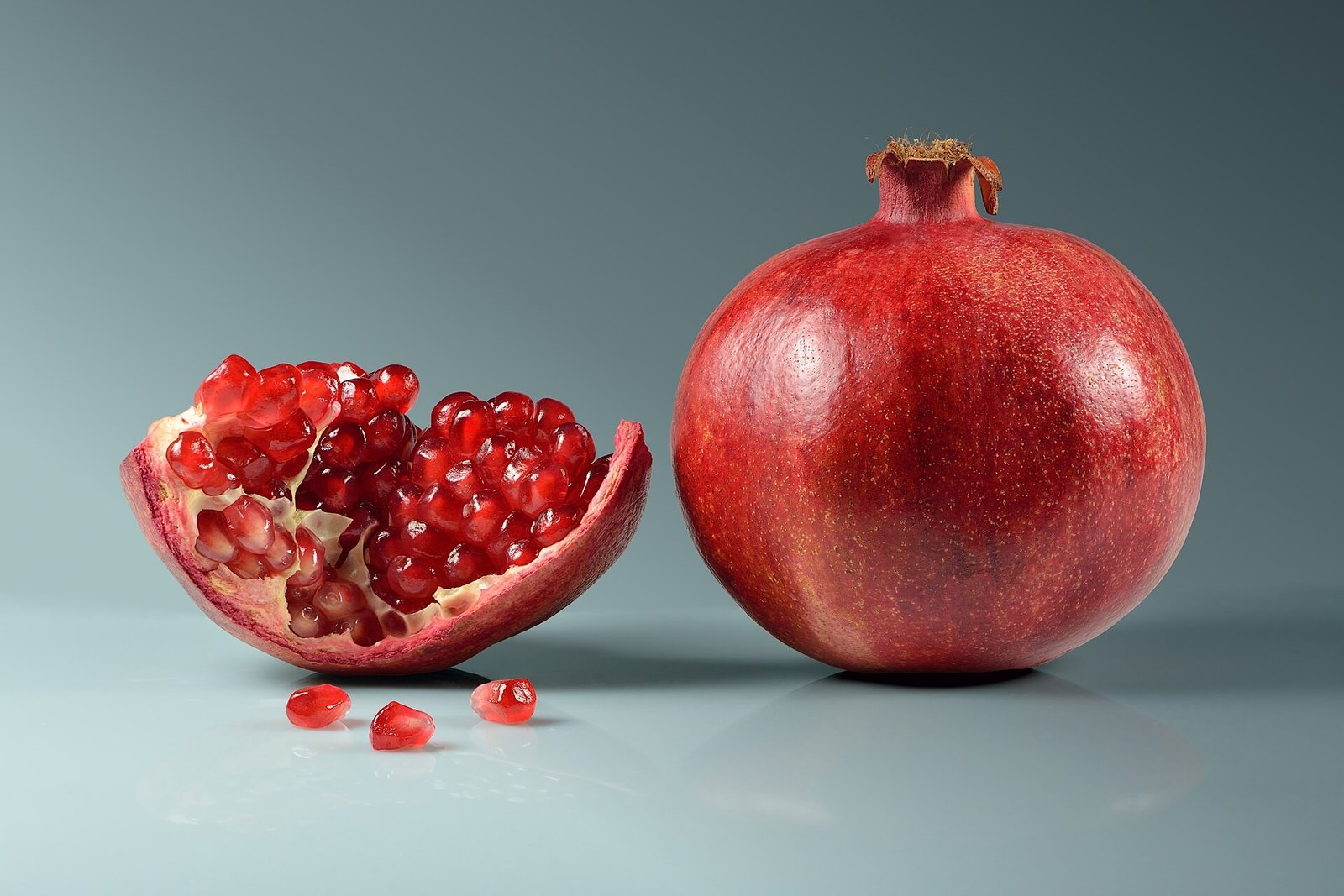
Quick Benefits at a Glance
- Rich in antioxidants, especially punicalagins, a type of plant compound found in the juice and peel
- Provides a good amount of fiber from the edible seeds, which may help support digestion
- Good source of vitamin C, vitamin K, folate, and potassium
- May help support heart health and healthy blood pressure as part of a balanced diet
- Naturally hydrating and refreshing, with a mix of sweet and tart flavor
- May help support healthy blood sugar responses when eaten whole, thanks to its fiber
- Linked in early research to supporting memory and exercise recovery, though evidence is still developing
- Versatile in the kitchen — delicious fresh, in salads, on yogurt, or as juice
What Is in a Pomegranate? Nutrition Facts
Pomegranate is more filling than many fruits because you eat the seeds along with the juice. That gives you fiber you would not get from juice alone. The values below are approximate standard values for the edible arils (seeds and juice sacs) per 100 grams, which is roughly two-thirds of a cup.
- Calories: about 83 kcal
- Carbohydrates: about 18.7 g
- Sugar: about 13.7 g
- Fiber: about 4 g
- Protein: about 1.7 g
- Fat: about 1.2 g
- Vitamin C: about 10.2 mg (around 11% of the daily value)
- Vitamin K: about 16.4 micrograms (around 14% of the daily value)
- Folate: about 38 micrograms
- Potassium: about 236 mg
- Copper and manganese: small but useful amounts
- Water: about 78 g
A typical serving is half a large fruit or about 1 cup of arils (around 174 grams). That serving gives you closer to 144 calories, about 7 grams of fiber, and a more meaningful amount of vitamin C and potassium. Pomegranate juice is different — an 8-ounce glass has similar calories to the whole fruit but almost no fiber and more concentrated sugar, so it fills you up less.
What really sets pomegranate apart is not just its vitamins. It is especially high in polyphenols, which are natural plant compounds that help protect the plant and may help protect your cells from everyday wear and tear. The best-known ones in pomegranate are punicalagins and anthocyanins — the pigments that give the arils their deep red color.
May Help Support Heart Health
Heart health is the area where pomegranate has been studied the most. Its polyphenols may help support the health of blood vessels by helping them stay flexible and by reducing oxidation — a process where harmful molecules called free radicals damage fats and cells in the body. When cholesterol becomes oxidized, it is more likely to contribute to plaque buildup in arteries, so antioxidant-rich foods are of real interest to researchers.
Some small studies have linked regular pomegranate juice intake to modest improvements in blood pressure, particularly the top number, called systolic pressure. The effect is not dramatic, and it is not a replacement for medication, healthy habits, or medical care. But as part of a diet already rich in fruits, vegetables, whole grains, and healthy fats, pomegranate can be a sensible addition.
If you like this kind of earthy, heart-friendly produce, you might also enjoy reading about how beetroot is used for circulation and stamina in our guide to beetroot and its everyday health benefits. Pomegranate and beetroot pair surprisingly well together in salads and juices, too.
A practical tip: choose the whole fruit more often than juice if your goal is heart health. You get the fiber, you feel fuller, and you are less likely to overdo the sugar in one sitting.
Rich in Antioxidants That Help Protect Your Cells
Every day, your body produces free radicals as a normal part of breathing, exercising, and digesting food. In balance, that is fine. When free radicals build up too much, they can contribute to oxidative stress, which is linked over time to aging and many long-term health concerns. Antioxidants from food help keep that balance in check.
Pomegranate juice and arils have shown strong antioxidant activity in laboratory tests, largely thanks to punicalagins. That does not mean eating pomegranate will prevent disease — no single food can do that — but diets rich in colorful fruits and vegetables are consistently linked in large population studies to better long-term health. Pomegranate fits that pattern very well.
It sits in good company here. Other deeply colored fruits do similar work, which is why variety matters more than any one superfood. If you rotate pomegranate with other options, such as the well-loved benefits that come from eating blueberries regularly, you get a wider mix of plant compounds than either fruit provides alone.
Freshness matters, too. Eating the arils soon after opening the fruit, and storing juice in the fridge and drinking it within a few days, helps preserve more of its vitamin C and delicate plant compounds.
A Note on Inflammation
Inflammation is your body’s normal response to injury or infection — think of the swelling around a sprained ankle. Problems arise when low-level inflammation lingers for months or years, which can happen with poor sleep, chronic stress, smoking, and a diet high in ultra-processed foods.
Some early research suggests pomegranate compounds may help support a healthier inflammatory balance. Most of this work has been done in labs or in small, short human trials, so scientists describe the evidence as promising but preliminary. The fair takeaway is simple: pomegranate may help support your body’s natural balance as part of an overall healthy lifestyle, but it is not a treatment for inflammatory conditions like arthritis.
If you live with a condition that involves inflammation, keep taking your prescribed treatment and talk to your clinician about diet changes. Food can support your health alongside care, not instead of it.

Good for Digestion and Gut Comfort
Because you eat the tiny seeds inside each aril, whole pomegranate gives you a solid amount of fiber — about 4 grams per 100 grams. Fiber adds bulk to your stool, feeds friendly gut bacteria, and helps food move through your digestive system at a comfortable pace. Many adults fall short of the recommended 25 to 38 grams of fiber per day, so fiber-rich fruits help close that gap.
Pomegranate also contains plant compounds that gut bacteria can break down into substances called urolithins. Researchers are interested in urolithins because they may help support the health of the gut lining. This area of science is still young, and people produce urolithins at very different rates depending on their gut microbes, so results vary from person to person.
For everyday digestion, the simplest benefit is the most reliable one: a fiber-rich, water-rich fruit that helps you feel satisfied and regular when you eat it as part of a varied diet. Introduce it gradually if you are not used to much fiber, and drink enough water through the day.
May Support Healthy Blood Sugar Responses
Pomegranate tastes sweet, so it is natural to wonder about blood sugar. The whole fruit has a moderate glycemic load because its fiber slows down how quickly its natural sugars are absorbed. That means a serving of arils usually causes a gentler rise in blood sugar than the same amount of sugar from juice or soda.
Juice is a different story. Without fiber, pomegranate juice can raise blood sugar more quickly, and it is easy to drink the sugar of two or three fruits in one glass. If you are watching your blood sugar, the whole fruit is the better everyday choice, and pairing it with protein or healthy fat — like Greek yogurt or a handful of nuts — can soften the response even further.
A few small studies have explored whether pomegranate compounds may help support insulin sensitivity, which is how well your cells respond to insulin. The findings are mixed and early, so no firm conclusions can be drawn yet. Pomegranate is not a treatment for diabetes, and if you manage diabetes, check with your care team about portions that fit your meal plan.
Early Research on Brain and Memory
As we age, protecting memory and thinking skills becomes a priority for many people. Because the brain uses a lot of oxygen, it is especially sensitive to oxidative stress, which is one reason researchers study antioxidant-rich foods for brain health.
A handful of small trials have looked at pomegranate juice and memory in older adults, with some encouraging but very preliminary results. These studies were short and involved few people, so scientists are careful not to overstate them. It would be wrong to say pomegranate prevents memory loss or dementia — there is no evidence for that.
What can be said honestly is that a diet rich in colorful fruits and vegetables, including pomegranate, is linked in larger long-term studies to healthier aging overall. Staying active, sleeping well, controlling blood pressure, and not smoking remain the best-supported steps for your brain, with nutritious food playing a supporting role.
May Help With Exercise Recovery and Joint Comfort
If you exercise regularly, you know the feeling of sore muscles a day or two after a hard workout. That soreness comes partly from tiny muscle damage and a temporary rise in inflammation. Some athletes drink tart cherry or pomegranate juice hoping to recover a little faster.
A few small studies suggest pomegranate juice may help reduce muscle soreness and support strength recovery after intense exercise. The effects appear modest, and not every study agrees. Still, pomegranate juice does provide fluid, potassium, and natural carbohydrates, all of which your body uses after a workout.
Pomegranate extracts have also been studied in people with stiff, achy joints, again with early and mixed findings. It is reasonable to enjoy pomegranate if you like it and it makes your joints feel no worse, but it should not replace physiotherapy, medication, or advice from your doctor for joint conditions.
A Bonus for Skin and Oral Health
Vitamin C helps your body make collagen, the protein that keeps skin firm and helps wounds heal. Pomegranate provides a modest amount of vitamin C, along with antioxidants that may help protect skin cells from sun-related oxidative damage from the inside. That is a support role only — it does not replace sunscreen, and no fruit can erase wrinkles.
Pomegranate has also been used in some mouth rinses and dental studies because its plant compounds can discourage certain bacteria in the mouth in lab settings. Chewing the arils is fine for most people, though the juice is acidic, so rinsing your mouth with plain water after drinking it is a kind, simple habit for your tooth enamel.
Think of these as pleasant extras rather than headline benefits. The strongest reasons to eat pomegranate remain its nutrition, its fiber, and how enjoyable it makes healthy meals taste.
How to Eat Pomegranate and Add It to Your Diet
The only real barrier with pomegranate is getting the seeds out without painting your kitchen red. Here is an easy method: cut the fruit in half around its middle, hold one half cut-side down over a bowl, and tap the skin firmly with a wooden spoon. Most arils will fall right out. Pick out any pale membrane, which tastes bitter. Alternatively, score the skin into quarters, soak the fruit in a bowl of water for a few minutes, and pull the arils free underwater — they sink, the membrane floats, and there is far less splashing.
Once you have a bowl of arils, the ideas come easily:
- Sprinkle over oatmeal, yogurt, or overnight oats with a few nuts for crunch
- Toss through green salads, grain bowls, or roasted vegetables for sweet-tart pops of flavor
- Stir into couscous, quinoa, or rice pilaf with herbs and a squeeze of lemon
- Scatter over avocado toast, hummus, or grilled chicken and fish just before serving
- Blend a handful into smoothies, or stir into sparkling water with mint for a refreshing drink
- Use pomegranate juice in dressings and marinades, or reduce it gently into a tangy glaze
You can buy ready-to-eat arils if time is short — they cost more but remove all the fuss. Fresh whole fruit keeps for a few weeks in the fridge, and loose arils keep for about five days refrigerated or several months frozen. Frozen arils are wonderful stirred into hot porridge or thawed over desserts.
When buying juice, look for 100% pomegranate juice with no added sugar, and check the label — many “pomegranate drinks” are mostly apple or grape juice with sweeteners. A splash of pure juice diluted with water gives you the flavor with less sugar.

How Much Pomegranate Per Day Is Sensible?
For most healthy adults, a sensible everyday amount is about half to one cup of arils per day — roughly half a large fruit — a few times a week or daily as part of your fruit intake. That gives you good fiber and plant compounds without crowding out other fruits.
If you prefer juice, keep portions smaller: about half a cup to one cup (120 to 240 ml) is a reasonable range, ideally with a meal and not on top of several other sweet drinks. Remember that juice counts as a sugary drink in most dietary guidelines, even when it is 100% fruit.
Children can enjoy pomegranate too, in smaller portions. Because of its sugar and acidity, it is best served with food rather than sipped constantly through the day. There is no need to take pomegranate supplements or concentrated extracts unless a clinician advises it — the whole fruit offers a safer, better-studied package.
Side Effects and Who Should Be Careful
Pomegranate is safe for most people in normal food amounts, but a few cautions are worth knowing.
Medication interactions: Pomegranate juice can affect how the body breaks down certain medicines, in a way that is somewhat similar to — though generally weaker than — grapefruit. This matters most for some blood pressure medicines, cholesterol-lowering statins, and certain other prescription drugs processed by the same liver enzymes. If you take daily prescription medication, especially for blood pressure or cholesterol, ask your doctor or pharmacist before drinking pomegranate juice regularly or in large amounts. Occasional arils on a salad are far less of a concern than daily large glasses of juice or concentrated extracts.
Allergies: True pomegranate allergy is uncommon but real. Signs can include itching in the mouth, swelling of the lips or tongue, hives, or stomach upset. Stop eating it and seek medical help promptly if you notice swelling or trouble breathing.
Blood pressure and surgery: Because pomegranate may slightly lower blood pressure, large amounts could add to the effect of blood pressure medication in some people. For the same reason, tell your surgical team if you drink pomegranate juice daily, as they may advise pausing it before a procedure.
Digestion and teeth: Eating a lot of arils at once can cause stomach cramps or loose stools in some people because of the fiber and natural sugars. The juice is acidic and contains sugar, so frequent sipping can wear on tooth enamel — drink it with meals and rinse with water afterward.
Kidney concerns and extracts: Whole pomegranate is moderately high in potassium, which is healthy for most people but may need limiting if you have advanced kidney disease and follow a potassium-restricted diet. Pomegranate peel and root extracts, sold as supplements, are not the same as the fruit and can be irritating or unsafe in large doses, so avoid them unless a professional recommends otherwise.
This article is general information only and is not medical advice. If you have a medical condition or take regular medication, speak with your own clinician about what is right for you.
Frequently Asked Questions
Is it better to eat pomegranate seeds or drink the juice?
Eating the seeds (arils) is the better everyday choice for most people. You get fiber, feel fuller, and absorb the natural sugars more slowly. Juice gives you concentrated flavor and antioxidants but almost no fiber and more sugar per sip, so smaller portions make sense.
Can I eat pomegranate every day?
Yes, for most healthy adults a daily serving of about half to one cup of arils fits comfortably into a balanced diet. Variety still matters, so rotating pomegranate with other fruits through the week is a good habit. If you take prescription medication, check the interaction note above first.
Do you swallow pomegranate seeds, or spit them out?
You can safely swallow the small inner seeds — they are edible and provide some of the fiber. They have a slight crunch that most people enjoy. If you find them unpleasant, you can chew the arils for the juice and spit the seeds out, but you will miss some fiber.
Is pomegranate good for weight management?
Pomegranate can fit into a weight-conscious eating pattern because the whole fruit is filling for its calories, thanks to fiber and water. It does not burn fat or cause weight loss on its own. Juice is less helpful here because liquid calories are easy to over-consume without feeling full.
When is the best time to eat pomegranate?
There is no medically special time — whenever you will enjoy it and eat it consistently is best. Many people like it at breakfast over yogurt or oatmeal, or after exercise in a smoothie. Eating it with a meal is gentler on your teeth and blood sugar than snacking on juice alone.
How do I know if a pomegranate is ripe?
A ripe pomegranate feels heavy for its size, has firm, slightly leathery skin, and sounds a bit metallic when tapped. The color can range from pinkish-red to deep red depending on variety, so weight and firmness are better guides than color alone. Avoid fruits with soft spots or mold.
Is pomegranate safe during pregnancy?
Eating normal food amounts of pomegranate is generally considered fine during pregnancy, and it provides folate, which is an important nutrient at that time. Pomegranate extracts and supplements have not been well studied in pregnancy, so it is best to avoid those and ask your midwife or doctor if you are unsure.
Does pomegranate juice stain teeth or damage enamel?
Pomegranate juice is acidic and deeply colored, so frequent drinking can contribute to enamel softening and surface staining over time. Drinking it with meals, using a straw, and rinsing your mouth with plain water afterward all help. Wait a little while before brushing, as brushing softened enamel can do more harm.
Conclusion
Pomegranate earns its good reputation honestly. It is a flavorful, fiber-rich fruit packed with vitamin C, potassium, and distinctive antioxidants, and it may help support your heart, digestion, and recovery as part of a balanced way of eating. The evidence for some benefits, like memory and joint comfort, is still early, and pomegranate is not a cure or treatment for any condition — but it never needed to be.
Enjoy it for what it is: a beautiful, satisfying fruit that makes healthy food taste exciting. Scatter the arils over salads and breakfasts, keep juice portions modest, and let pomegranate benefits for health come the simple way — one delicious serving at a time.



Pingback: Beetroot Benefits for Health: Blood Pressure, Stamina and More