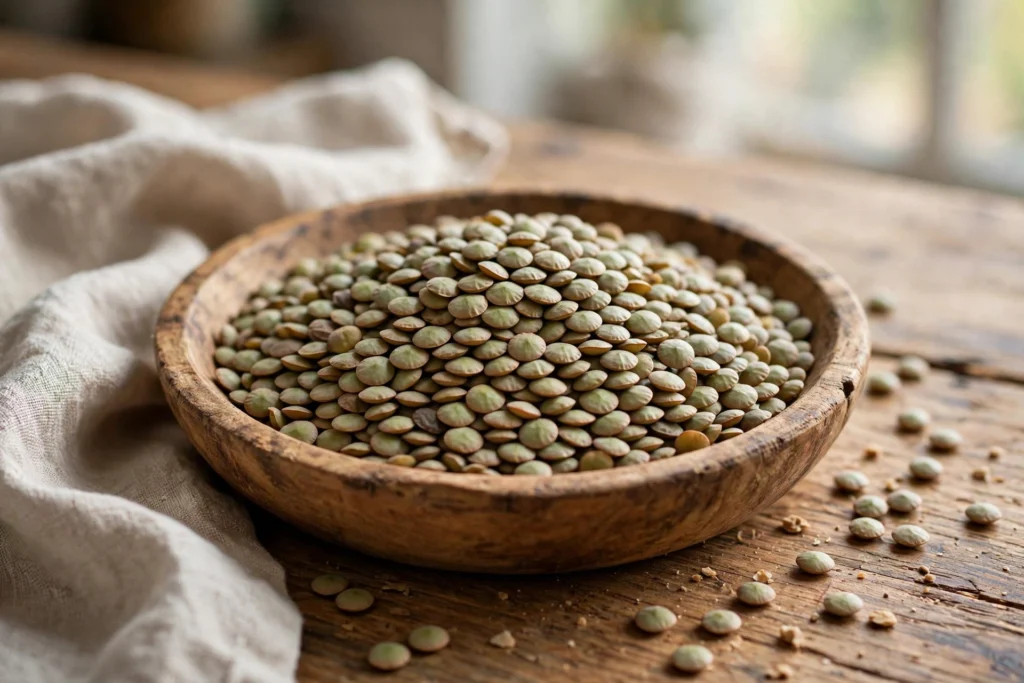

Lentil benefits for health are hard to overstate for a food that costs so little. Lentils are small, quick to cook, and packed with protein, fiber, iron, and folate, which makes them one of the most nutritious foods you can buy for the money. They have fed people for thousands of years, and they are still a staple in kitchens from India to the Mediterranean to South America.
Lentils come in green, brown, red, yellow, and black varieties, and each cooks a little differently. Red lentils break down into a soft, creamy texture that is perfect for soups and dals, while green and brown lentils hold their shape and work well in salads and stews. A cup of cooked lentils gives you about 18 grams of protein, 15 grams of fiber, and a large share of your daily iron and folate.
This article looks at what lentils may do for your muscles, blood sugar, heart, gut, and more, how to cook them properly, and the few cautions to keep in mind. The short version is that lentils are one of the best foods in any kitchen, and they deserve a regular spot on your plate.
1. Plant Protein for Muscles and Repair
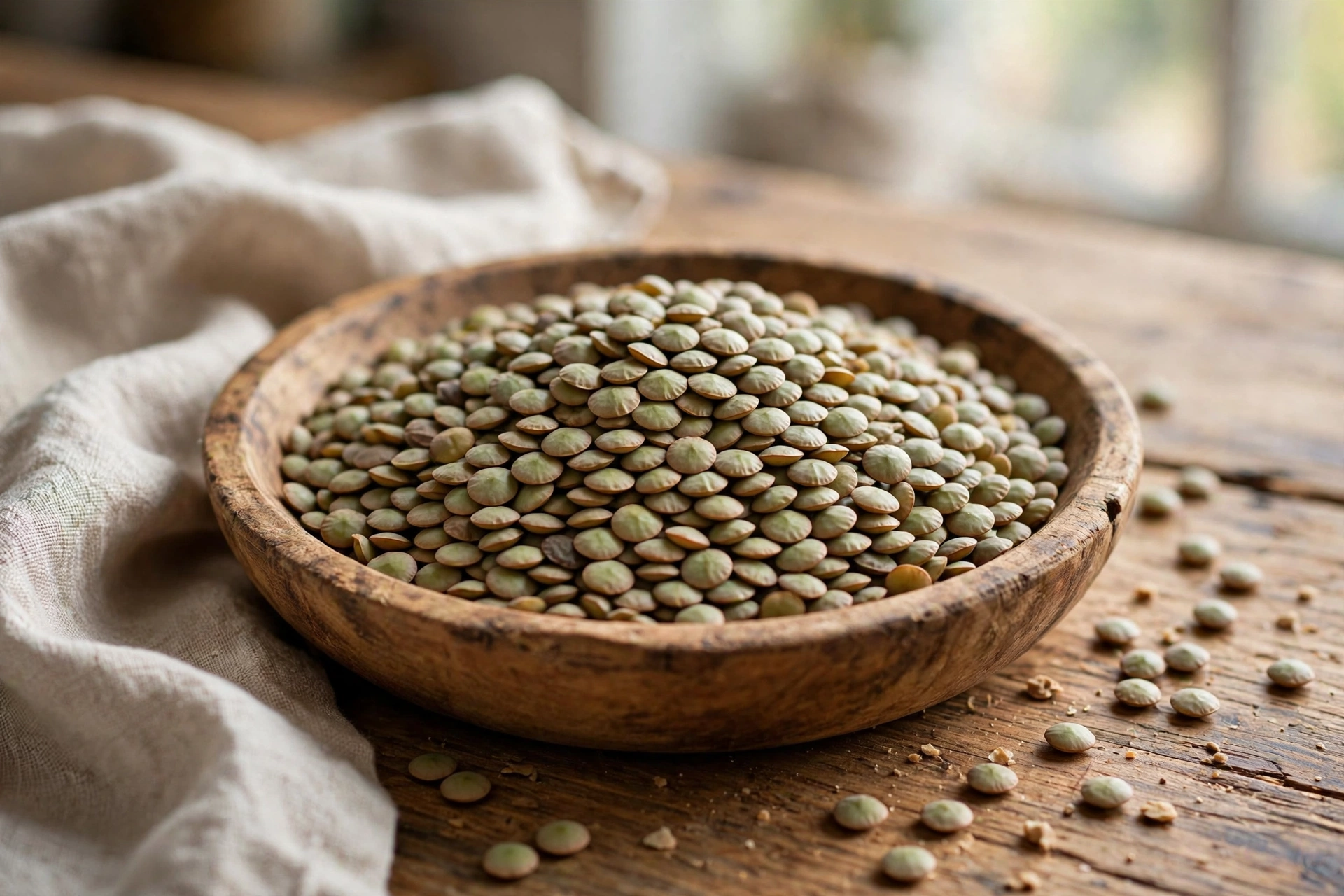
A cup of cooked lentils provides about 18 grams of protein, which is more than most other plant foods and close to what you get from a serving of meat or eggs. That protein supports muscle repair, immune function, and the production of enzymes and hormones. Lentils are not a complete protein on their own, since they are low in two amino acids, methionine and cysteine, but pairing them with grains like rice or bread fills that gap easily.
That pairing is the basis of traditional meals around the world: dal with rice in India, lentil soup with bread in the Middle East, lentils with rice in Latin America. These combinations are not accidents; they are centuries of practical nutrition. Together, lentils and grains provide all the essential amino acids your body needs.
For vegetarians and vegans, lentils are one of the most practical protein sources available. They are cheap, they cook quickly, and they work in soups, salads, curries, and burgers. For athletes, lentils make a good post-workout food because they provide protein alongside carbohydrates that refill energy stores. If you want more protein ideas, see our guide to Egg Benefits for Health (Protein, Brain, and Eye Nutrition).
2. Iron for Energy and Blood Health
A cup of cooked lentils contains about 6.6 milligrams of iron, which is more than a third of the daily need for most adults and more than half for men. Iron carries oxygen in the blood, and low iron is one of the most common nutrient deficiencies in the world, especially among women and people who eat little meat. Lentils are one of the best plant sources of iron you can eat.
The iron in lentils is plant iron, which the body absorbs less efficiently than iron from meat. Eating lentils with vitamin C improves absorption a lot: a squeeze of lemon, some tomatoes, or peppers in the same meal can double or triple how much iron your body takes up. That is another reason traditional lentil dishes often include tomatoes or lemon.
Low iron can leave you feeling tired, weak, and short of breath, and it is easy to miss in a routine diet. Lentils are a simple, affordable way to keep iron intake up, especially for vegetarians. They are not a treatment for anemia, and anyone with symptoms of low iron should see a doctor, but as a food, lentils are one of the strongest iron sources in the plant kingdom.
3. Fibre for Gut Health and Fullness
A cup of cooked lentils contains about 15 grams of fiber, which is more than half of the daily recommended amount for most adults. That is an enormous amount for a single food, and it is the reason lentils are so filling. Fiber feeds the good bacteria in the gut, helps keep digestion regular, and slows the absorption of sugar from a meal.
Much of the fiber in lentils is soluble fiber, which gut bacteria ferment into short-chain fatty acids that nourish the cells lining the colon. Research on high-fiber diets consistently links them to better gut health, steadier blood sugar, and a lower risk of heart disease and type 2 diabetes. Lentils are one of the most powerful fiber foods you can eat, and they do it at a very low cost.
The fiber in lentils also helps with fullness. A bowl of lentil soup keeps you satisfied far longer than the same calories from white bread or pasta, which makes it easier to avoid snacking an hour later. If you are new to lentils, start with a smaller portion and increase gradually, since a sudden jump in fiber can cause gas and bloating until your gut adjusts.
4. Blood Sugar and Diabetes Support
Lentils have a very low glycemic index, around 30, which means they raise blood sugar slowly and steadily. Their fiber and protein slow digestion, and their starch is digested more slowly than the starch in refined grains. That makes lentils one of the best foods for blood sugar control, and research backs that up.
Studies have found that eating lentils regularly is linked to better blood sugar control in people with type 2 diabetes. One trial found that replacing potatoes or rice with lentils at a meal reduced blood sugar spikes by a large amount. Another study found that people who ate lentils daily for several weeks had better fasting blood sugar and cholesterol than a comparison group. These are meaningful results, though lentils are not a diabetes treatment and should never replace medication.
The resistant starch in lentils is part of the story. Resistant starch is a type of carbohydrate that resists digestion in the small intestine and feeds gut bacteria instead, which helps with blood sugar and gut health. Lentils are one of the richest sources of resistant starch, and cooling cooked lentils, for example in a salad, increases the amount further.
5. Heart Health and Cholesterol
Lentils support heart health in several ways at once. Their soluble fiber helps the body clear cholesterol, their magnesium and potassium help blood pressure stay in a healthy range, and their folate helps keep homocysteine, an amino acid linked to heart risk, in check. A cup of cooked lentils provides about 358 micrograms of folate, nearly 90 percent of the daily need.
Large studies have found that people who eat legumes, including lentils, beans, and chickpeas, regularly tend to have lower rates of heart disease than people who rarely eat them. One analysis found that eating legumes four times a week was linked to a lower risk of heart disease compared with eating them less than once a week. Lentils are also naturally low in fat and free of cholesterol, which makes them an easy heart-friendly food.
Replacing meat with lentils a few times a week is a heart-friendly swap that also saves money. A lentil stew, a lentil curry, or lentil tacos give you protein and fiber without the saturated fat that comes with red meat. That swap, repeated over months, is the kind of change that adds up.
6. Folate and Everyday Nutrition
Folate is one of the standout nutrients in lentils. A single cup provides nearly 90 percent of the daily need, which makes lentils one of the best food sources of folate anywhere. Folate supports cell growth, the production of red blood cells, and the health of the nervous system, and it is especially important during pregnancy, when it helps prevent neural tube defects.
Lentils also provide manganese, phosphorus, copper, zinc, and vitamin B6 in useful amounts. Manganese supports bone health and antioxidant defenses, phosphorus is part of bone mineral, and vitamin B6 helps the body use protein and make neurotransmitters. A cup of lentils covers a broad spread of nutrients in a single serving, which is rare for a food this cheap.
For pregnant women, lentils are a particularly valuable food, though they should not replace a prenatal supplement, which provides folate in a more absorbable form. For everyone else, lentils are a simple way to cover several quiet nutrient needs at once. If you want more iron-rich foods, see our guide to Spinach Benefits for Health (Nutrition, Uses, and Cautions).
7. Weight Management and Satiety
Lentils are one of the most filling foods you can eat for the calories. A cup of cooked lentils carries about 230 calories, and it provides 18 grams of protein and 15 grams of fiber, a combination that keeps hunger away for hours. Studies have found that people who eat legumes regularly feel fuller and eat less at later meals than people who eat refined grains.
Research on lentils and weight has found that eating legumes is linked to lower body weight and a smaller waistline in population studies, and trials have found modest weight loss when lentils replace less filling foods. The effect is not dramatic, and lentils are not a weight-loss food on their own, but they make portion control easier, and that is the real benefit.
Lentils are also very cheap, which matters for weight management in a practical way: healthy eating is easier to sustain when it does not cost a fortune. A bag of dried lentils costs very little and makes many meals, which makes them one of the best value foods in any grocery store. For another affordable, filling food, see our guide to Oats Benefits for Health (Cholesterol, Weight, and Steady Energy).
8. Potassium and Blood Pressure
Lentils are a good source of potassium, with a cup of cooked lentils providing about 730 milligrams, roughly 15 percent of the daily need. Potassium helps the body balance sodium, and it helps blood vessels relax, which is why diets rich in potassium are linked to healthier blood pressure. Most people eat too much sodium and too little potassium, and lentils are one of the easiest ways to shift that balance in the right direction.
The DASH eating pattern, which doctors often recommend for blood pressure, is built around foods rich in potassium, magnesium, and calcium, and lentils provide all three. A cup of lentils gives you potassium, magnesium, and folate in a single serving, along with fiber and protein. That combination is hard to beat for a food that costs so little and cooks so quickly.
It is important to keep expectations honest. Lentils will not lower blood pressure on their own, and anyone with high blood pressure should follow their doctor’s advice, including medication when prescribed. But a diet that includes lentils, vegetables, whole grains, and less processed food is a real step toward healthier blood pressure, and lentils are one of the most practical foods in that pattern. A bowl of lentil soup a few times a week is a simple habit with a genuine nutritional payoff.
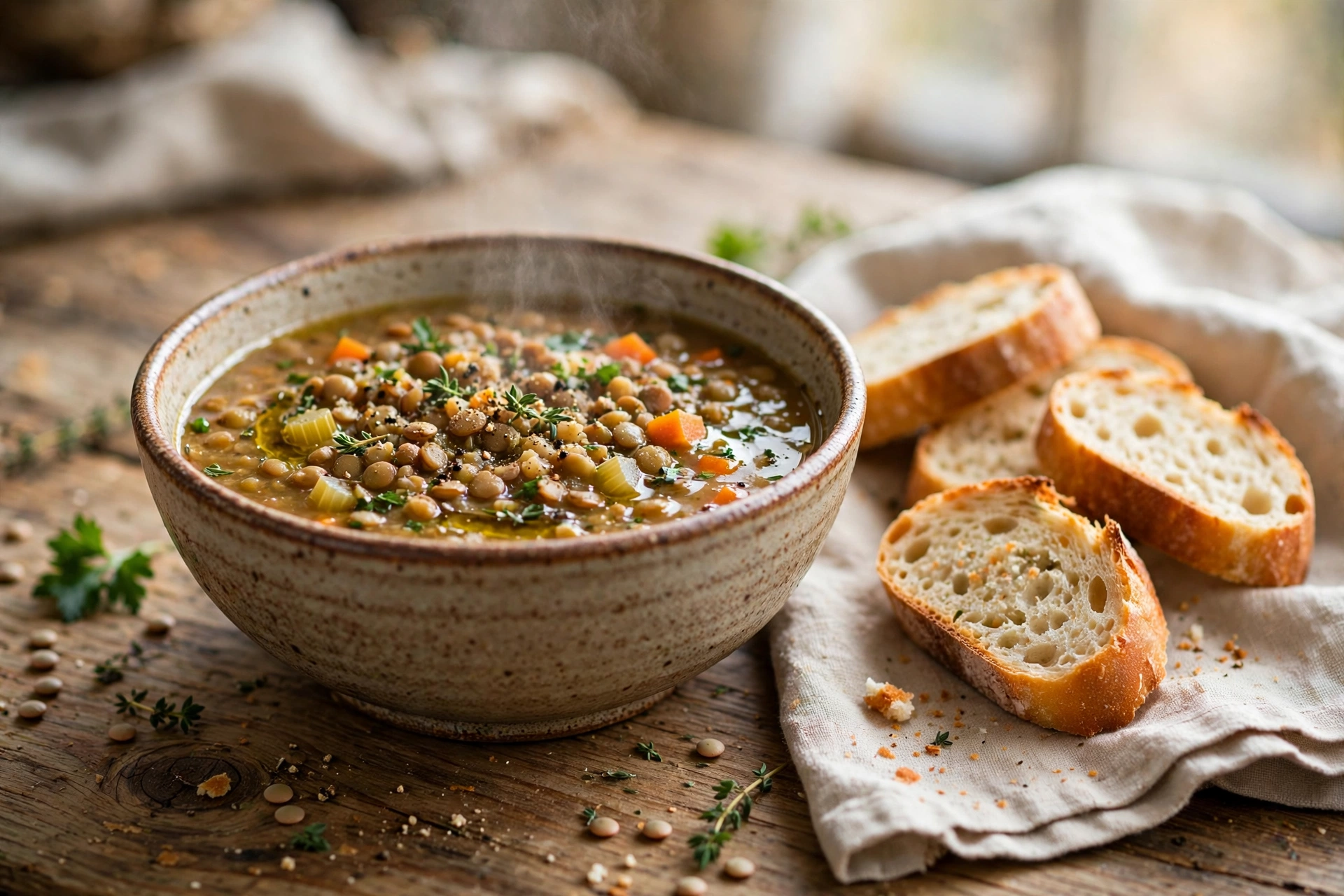
How to Eat It
Cooking lentils is simple and fast. Rinse dried lentils, then simmer them in water or broth for 15 to 25 minutes, depending on the type. Red lentils cook fastest and break down into a creamy texture, while green and brown lentils take longer and hold their shape. Unlike beans, lentils do not need soaking, and they cook in a fraction of the time.
Lentils work in soups, stews, curries, salads, and burgers. A simple lentil soup with onion, garlic, tomatoes, and spices is a complete meal with bread. Lentil salad with lemon, olive oil, and herbs is a great lunch that keeps well in the fridge. Cook a large batch and store it for up to five days, or freeze portions for quick meals later. Add a squeeze of lemon or some tomatoes to help your body absorb the iron.
Cautions
Lentils are safe for most people, but a few cautions are worth knowing. Their high fiber can cause gas and bloating, especially if you are not used to eating them, so start with a smaller portion and increase gradually. Drink plenty of water with high-fiber meals, since fiber needs water to do its job properly.
Lentils contain compounds called lectins and phytates, which can reduce mineral absorption if the lentils are undercooked. Cooking lentils properly removes most of the lectins, so always cook them until tender. People with kidney disease should talk to a doctor about lentils, since they are high in potassium and phosphorus. Lentils also contain purines, so people with gout may want to keep portions moderate, though lentils are lower in purines than meat and seafood.

FAQ
How much protein do lentils have?
A cup of cooked lentils provides about 18 grams of protein, which is more than most other plant foods. Lentils are not a complete protein on their own, since they are low in two amino acids, but pairing them with grains like rice or bread fills that gap. Dal with rice is a classic example of this combination.
Are lentils good for weight loss?
Lentils can help with weight control because their protein and fiber keep you full for hours, which makes it easier to eat reasonable portions. Studies link regular legume intake to lower body weight. They are not a weight-loss food on their own, but they make portion control easier, and they are very cheap, which helps healthy eating stick.
Do lentils cause gas?
Lentils can cause gas and bloating, especially if you are not used to high-fiber foods. The fiber and certain sugars in lentils are fermented by gut bacteria, which produces gas. Starting with small portions, increasing gradually, cooking lentils well, and drinking plenty of water all help. Most people adjust within a couple of weeks.
Are red lentils or green lentils healthier?
Both are healthy, and the differences are small. Red lentils cook faster and break down into a creamy texture, while green lentils hold their shape and have slightly more fiber. Red lentils are a little lower in calories per cup, and green lentils provide a bit more folate. Use whichever suits the dish you are making.
Can I eat lentils every day?
Yes, lentils are safe to eat daily for most people, and they are a healthy staple. Variety is still a good idea, since different legumes provide different nutrients, so rotating lentils with chickpeas, beans, and other plant foods gives you a broader mix. A cup a day is a sensible serving.
Conclusion
Lentils are one of the best foods in any kitchen: cheap, quick to cook, and packed with protein, fiber, iron, and folate. They support muscle health, blood sugar, heart health, and gut health, and they keep you full for hours. Rinse them, cook them until tender, pair them with grains and vitamin C, and let them be a regular part of your week. For the price of a bag of lentils, it is hard to find a better return on your health.
Sources
Wikipedia — Lentil
Harvard T.H. Chan School of Public Health — Lentils