
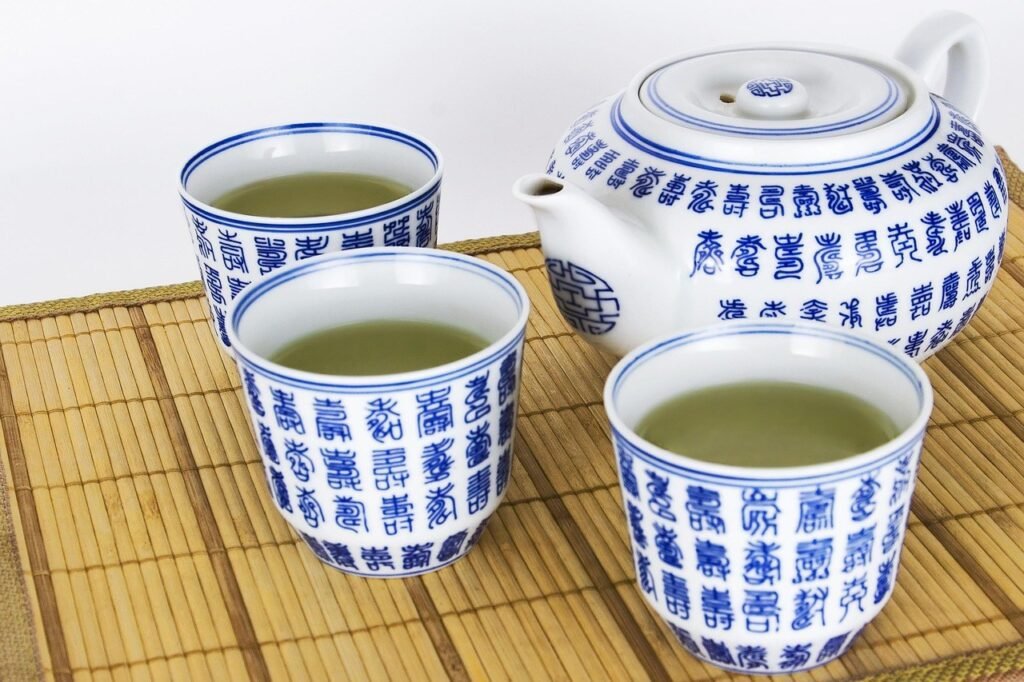

There is something quietly comforting about a warm cup of green tea. It is light, gently grassy, sometimes a little sweet, and it has been poured in homes across China, Japan, and much of Asia for thousands of years. Long before it became trendy in coffee shops, green tea was simply an everyday drink — something to sip with meals, share with guests, and enjoy in a calm moment.
Today, people are curious about green tea benefits for another reason. In a world full of sugary sodas and energy drinks, green tea feels like a simpler choice: almost no calories, a modest amount of caffeine, and a cup full of plant compounds researchers have studied for decades.
This article will walk through what those benefits honestly look like. Green tea is not a medicine and it will not work miracles, but as a daily habit it can support your energy, heart, brain, and overall routine in small, sensible ways. We will also cover nutrition, how much to drink, how to brew it well, and who should be careful with it.

Quick Benefits at a Glance
If you want the short version first, here is why so many people keep green tea in the kitchen:
- Rich in protective plant compounds called catechins, especially EGCG, which help protect your cells from everyday damage.
- Gentle, steady energy from moderate caffeine paired with L-theanine, an amino acid that may help you feel calm and focused.
- Almost no calories when served plain, making it an easy swap for sugary drinks.
- May help support heart health as part of a balanced diet and active lifestyle.
- Linked in studies to better focus without the jittery feeling some people get from strong coffee.
- A soothing daily ritual — warm, hydrating, and easy to enjoy hot or iced.
- Versatile in the kitchen, from a simple cup to matcha lattes, smoothies, and cooking.
- May support oral health by helping limit the growth of some bacteria in the mouth.
None of these points is dramatic on its own, and that is exactly the point. Green tea works best as a small, steady habit rather than a quick fix.
What Is Green Tea, Exactly?
Green tea comes from the same plant as black tea and oolong tea — Camellia sinensis. The difference is in how the leaves are handled after picking. For black tea, leaves are fully oxidized, the natural browning process that deepens color and flavor. For green tea, leaves are quickly steamed or pan-fired soon after harvest. That heat stops oxidation early, so the leaves stay green and keep more of their fresh flavor and natural plant compounds.
There are many styles to explore. Sencha is a popular Japanese everyday tea with a bright, grassy taste. Matcha is a fine powder made from shade-grown leaves — you whisk the whole powder into water, so you consume the leaf itself. Dragon Well from China is smooth and slightly nutty, while gunpowder green tea has tightly rolled leaves and a bolder taste. They all share the same basic strengths, even if flavor and caffeine vary a little.
Green Tea Nutrition: What Is in Your Cup?
Green tea is best thought of as a hydrating drink with helpful plant compounds, rather than a major source of vitamins or protein. A plain cup gives you very little in calories or macronutrients — and that is part of its appeal.
The values below are approximate standard values for one cup (about 240 ml / 8 fl oz) of brewed, unsweetened green tea:
- Calories: about 2 calories
- Protein: less than 0.5 g
- Carbohydrates: 0 g
- Sugar: 0 g (when unsweetened)
- Fat: 0 g
- Fiber: 0 g
- Sodium: about 0–5 mg
- Potassium: about 20 mg
- Caffeine: about 25–35 mg (roughly one-third to one-half the caffeine in a cup of coffee, though this varies)
- Catechins (including EGCG): roughly 50–100 mg per cup, depending on the tea and how it is brewed
- L-theanine: small amounts, often around 5–10 mg per cup
- Fluoride: trace amounts naturally present from the tea plant and water
Matcha is a little different. Because you drink the powdered leaf rather than just an infusion, a serving usually provides more catechins and more caffeine — often around 60–70 mg for a teaspoon of powder — along with a tiny amount of fiber. It is still low in calories when made with water, though lattes with milk and sweetener add more.
Sweetened bottled green teas are another story. Many ready-to-drink versions contain added sugar similar to soda, which changes the picture completely. If you are drinking green tea for its health qualities, plain brewed tea — or unsweetened bottled tea where the label confirms 0 g sugar — is the way to go.
A Gentle Lift for Energy and Focus
One of the most immediate green tea benefits is how it makes many people feel: awake, but not wired. That effect comes from the pairing of caffeine and L-theanine.
Caffeine is a mild stimulant that helps block feelings of tiredness. In larger doses, it can leave some people restless or shaky. L-theanine, an amino acid found almost uniquely in tea, is linked in studies to a calmer, more focused state of mind. Together, they may help support alertness and attention in a smoother way than caffeine alone.
This is why some people switch their second cup of coffee for green tea. You still get a lift through an afternoon slump, but it tends to arrive gradually and fade gradually too. It can help with work or studying — though it is not a substitute for proper sleep, and no drink can make up for a very short night. If you are sensitive to caffeine, start with one cup in the morning and see how you respond.
Rich in Antioxidants That Help Protect Your Cells
You will hear the word antioxidant a lot with green tea, and for once the attention is well placed. Antioxidants are compounds that help protect your cells from damage caused by free radicals — unstable molecules your body produces during normal metabolism and in response to pollution, sunlight, and stress. Over time, that kind of damage is thought to contribute to aging and wear and tear in the body.
Green tea’s best-known catechin is epigallocatechin gallate, usually shortened to EGCG. It has been widely studied in labs for its antioxidant activity, along with other catechins such as EGC, ECG, and EC. A daily cup is an easy way to add these compounds alongside the antioxidants you already get from fruits, vegetables, and other plant foods.
Keep this in perspective, though. Eating a varied diet rich in colorful plants matters far more than any single drink. Green tea can be one useful piece of that pattern — not a shield on its own, and not a way to undo an otherwise poor diet.
May Help Support Heart Health
Heart health is one of the most researched areas for green tea. Large population studies have linked regular green tea drinking to a pattern that may help support healthy blood vessels and circulation. Researchers think catechins may help support the lining of blood vessels, allowing them to relax and function more smoothly, and may play a small role in helping maintain cholesterol levels already in the healthy range when combined with a balanced diet.
Some studies have also observed modest associations between regular tea drinking and blood pressure that stays within a healthy range. These effects, where they appear, tend to be small. Green tea is not a treatment for high blood pressure or high cholesterol, and it should never replace medication or advice from your doctor.
Where green tea may help most practically is as a replacement. Swapping a daily sugary soda or a sweetened, creamy coffee drink for plain green tea cuts sugar and calories, keeps you hydrated, and adds beneficial plant compounds. Over months and years, small swaps like that often make the biggest difference.
If you enjoy exploring other simple drink swaps, you might also like reading about the refreshing benefits of lemon water as another low-calorie way to start your morning hydrated.
Support for Brain Health as You Age
Your brain benefits from good circulation and protection from oxidative stress — the imbalance between free radicals and antioxidants. Because green tea provides both caffeine, which supports alertness in the short term, and catechins with antioxidant properties, researchers have been interested in whether regular tea drinking is linked to keeping the mind sharper with age.
Some long-term observational studies have found an association between regular green tea consumption and a lower likelihood of cognitive decline in older adults. That kind of research can show a link, but it cannot prove tea alone caused the difference — people who drink green tea daily often have other healthy habits too, such as eating more vegetables or staying socially active.
The honest takeaway is encouraging but modest: green tea may help support brain health as part of a broader lifestyle that includes sleep, exercise, mental stimulation, and a balanced diet. In the short term, the clearer benefit is the one you can feel today — better focus and calmer alertness after a cup.
A Sensible Companion for Weight Management
Green tea is often marketed for weight loss, sometimes with exaggerated promises. Let us be clear: drinking green tea alone will not cause significant weight loss, and it does not melt fat. Anyone who promises that is selling you something.
What is true is more modest and more useful. First, plain green tea has almost no calories. Replacing a 140-calorie soda or a sweetened latte with green tea, day after day, creates a real calorie saving without leaving you feeling deprived of a drink in your hand. Second, some studies suggest the combination of caffeine and catechins may slightly increase the rate at which your body burns energy. The effect seen in research is generally small — not enough on its own to change your weight noticeably, but potentially a tiny help alongside eating well and moving more.
In other words, green tea fits nicely into a weight-conscious routine, but it is the routine that does the work: balanced meals, reasonable portions, regular activity, and good sleep. If you are working out your personal targets as part of that routine, checking where you stand with a simple BMI calculator can give you a useful starting point to discuss with a health professional.
Be cautious with green tea extract supplements sold for weight loss. Concentrated extracts are very different from a cup of tea and have been linked in rare cases to liver problems, as covered in the cautions below.

May Help Support Healthy Blood Sugar Balance
Another area of interest is how green tea relates to blood sugar. Some studies suggest catechins may help support the way your body handles carbohydrates after a meal and may help support normal insulin sensitivity — that is, how effectively your cells respond to insulin, the hormone that helps move sugar from your blood into your cells for energy.
The evidence here is mixed and still developing. Some trials show small benefits, others show little difference. Green tea is certainly not a treatment for diabetes or prediabetes, and anyone managing blood sugar needs personal medical guidance, not tea advice.
Still, as a daily drink choice, unsweetened green tea makes practical sense for a simple reason: it adds no sugar at all. Choosing it instead of juice, sweet tea, or soda removes a fast hit of sugar from your day. Enjoying a cup after a meal is also a pleasant ritual that can signal the meal is finished, which some people find helps them avoid unplanned snacking.
Good News for Your Mouth and Breath
Green tea may offer a small bonus for oral health. Catechins have been shown in lab studies to help limit the growth of certain bacteria in the mouth, including some associated with plaque and bad breath. Tea also contains trace fluoride, which supports tooth enamel, though the amount in a cup is modest.
Some population studies have linked regular unsweetened tea drinking to healthier gums. The effect is supportive rather than dramatic, and nothing replaces brushing, flossing, and regular dental check-ups. Like coffee, green tea can also contribute to light staining of teeth over time, though usually less than darker drinks. Rinsing your mouth with plain water after your cup helps.
For a naturally sweet food that also has a long tradition around soothing and everyday wellness, you can explore what honey can do for your health — just remember honey is still a sugar and works best in small amounts, for example a teaspoon stirred into warm (not boiling) green tea.
How to Brew a Better Cup
Good green tea should taste fresh and smooth, never harshly bitter. Most bitterness at home comes from two mistakes: water that is too hot and steeping for too long. Green tea leaves are more delicate than black tea leaves.
- Use cooler water. Bring water to a boil, then let it sit for a couple of minutes to cool to roughly 160–180°F (70–80°C). Small bubbles just forming on the bottom of the kettle are a good sign.
- Measure simply. About one teaspoon of loose leaves, or one tea bag, per cup of water is a sensible starting point.
- Steep briefly. Two to three minutes is enough for most green teas. Taste and adjust next time rather than leaving the bag in while you drink.
- Reuse the leaves. Good loose-leaf green tea can often be steeped a second time, with a slightly shorter brew.
- For matcha, sift a teaspoon of powder into a bowl, add about 2–3 ounces of hot (not boiling) water, and whisk briskly in a zigzag motion until frothy. Drink it straight, or add warm milk for a latte.
Store dry tea in an airtight container away from light, heat, and strong smells. Green tea loses freshness faster than black tea, so buy amounts you will use within a few months.
Easy Ways to Add Green Tea to Your Day
You do not need a ceremony to enjoy green tea, though a quiet five minutes with a warm cup can be a lovely pause. Here are practical ways people fit it in:
- Morning swap: Replace your second coffee with green tea for a gentler lift that is less likely to affect your sleep.
- Iced green tea: Brew it a little stronger, let it cool, and serve over ice with lemon slices and fresh mint.
- Matcha smoothie: Blend matcha with banana, spinach, and milk or a plant-based alternative.
- Matcha latte: Whisk matcha with a little hot water, then top with steamed milk and a touch of honey if you like.
- In cooking: Use cooled brewed green tea as part of the liquid for rice, or try matcha in energy balls, yogurt, and simple baked goods.
- Afternoon ritual: Keep tea bags at your desk. A short tea break gets you up, hydrated, and refocused without a sugary snack.
If you are new to the taste, start with a milder tea, brew it carefully, and try it more than once. Many people find green tea is an acquired taste that quickly becomes a favorite once the bitterness from over-brewing is taken away.
How Much Green Tea Per Day Is Sensible?
For most healthy adults, about 2 to 3 cups of brewed green tea a day is a commonly enjoyed and sensible amount. That typically provides roughly 50 to 100 mg of caffeine in total from tea, well within the general guidance that healthy adults keep total daily caffeine to about 400 mg or less from all sources — remember to count coffee, cola, energy drinks, and chocolate too.
Some people happily drink 4 or 5 cups spread across the day, especially in cultures where green tea is the default drink. The right amount for you depends on your caffeine sensitivity, your sleep, and any health conditions or medicines you have. Signs you may be overdoing it include trouble falling asleep, a jittery feeling, headaches, or an unsettled stomach.
Timing matters too. Because caffeine can stay in your system for hours, many people do best having their last cup by early afternoon. If evenings are your tea time, look for decaffeinated green tea — it keeps much of the flavor, though it contains fewer catechins and a small trace of caffeine.
Pregnant and breastfeeding women are usually advised to be more cautious with caffeine overall — a common guideline is to keep total caffeine under about 200 mg a day — so whether one or two cups fit into that total is a question to confirm with your midwife or doctor. Children should generally avoid regular caffeinated tea.

Side Effects and Who Should Be Careful
For most people, brewed green tea in normal amounts is very well tolerated. Still, it is a real plant product with active compounds, so a few honest cautions are worth knowing.
Caffeine sensitivity and sleep. If caffeine makes you anxious, gives you palpitations, triggers heartburn, or disrupts your sleep, green tea can do the same — just usually more mildly than coffee. Cut back, switch to decaf, or keep it to mornings only.
Empty stomach discomfort. Drinking strong green tea on an empty stomach causes nausea or stomach ache in some people, likely because of its tannins — natural compounds that give tea its slightly astringent, drying taste. Having your cup with or after food usually solves this.
Iron absorption. Tannins and catechins in tea can reduce how much iron your body absorbs from plant-based foods in the same meal. If you have low iron or anemia, drink tea between meals rather than with an iron-rich meal, and do not take it at the same time as an iron tablet.
Medications. Green tea can interact with certain medicines. It contains small amounts of vitamin K, which matters for people taking warfarin or similar blood thinners, and its caffeine and catechins may affect how some drugs are absorbed or processed, including certain blood pressure medicines, stimulants, and some antibiotics. If you take regular prescription medication, ask your pharmacist or doctor before making green tea a large daily habit.
Liver concerns with extracts. Rare cases of liver injury have been linked to concentrated green tea extract supplements, particularly high-dose products taken on an empty stomach — not to ordinary cups of brewed tea. Avoid high-dose extracts unless a health professional advises them.
Pregnancy. Keep total caffeine modest during pregnancy and check what is right for you. In very large amounts, catechins may also affect folate, another reason concentrated supplements are not recommended in pregnancy without medical advice.
Kidney stones and oxalates. Tea contains oxalates, compounds that contribute to the most common type of kidney stone in susceptible people. Brewed green tea is moderate in oxalates and normal amounts are fine for most people, but if you have a history of calcium oxalate stones, ask your doctor about sensible limits.
This article is general information for healthy adults, not medical advice. If you have a medical condition, are pregnant, or take regular medication, check with your own health professional about what suits you personally.
Frequently Asked Questions
Is it okay to drink green tea every day?
For most healthy adults, yes. Two to three cups a day of plain brewed green tea is a well-tolerated, low-calorie habit that provides helpful plant compounds and gentle caffeine. Just keep an eye on your total caffeine from all sources and how it affects your sleep.
Does green tea help you lose weight?
Not on its own in any meaningful way. Green tea has almost no calories, so swapping it for sugary drinks can help reduce your overall intake, and its caffeine and catechins may slightly increase energy use. Real weight change still comes from your overall eating pattern, activity, and sleep over time.
When is the best time to drink green tea?
Morning or early afternoon works best for most people because of the caffeine. Many people enjoy a cup with or after breakfast and another after lunch. Avoid it in the evening if you are sensitive to caffeine, or choose a decaffeinated version then.
Is matcha better than regular green tea?
Matcha provides more catechins and caffeine per serving because you consume the whole powdered leaf, not just an infusion. That makes it stronger — which some people love and others find too much. Regular brewed green tea is gentler and easier to drink in larger amounts. Both are good choices.
Can I drink green tea on an empty stomach?
You can, but some people feel nauseous or get stomach discomfort when they do, especially with strong tea. If that happens to you, simply have your cup with food or after a meal instead. There is no health advantage to forcing it on an empty stomach.
Does green tea break a fast?
Plain unsweetened green tea has about 2 calories per cup, so most people who fast consider it fine during a fasting window and find it helps with hunger and alertness. Strict approaches vary, so follow the guidance of whatever plan — or medical advice — you are working with.
How is green tea different from black tea?
Both come from the same plant. Green tea leaves are heated soon after picking to stop oxidation, so they stay green, taste lighter, and keep more catechins. Black tea leaves are fully oxidized, giving a darker color, a stronger flavor, and typically a little more caffeine per cup.
Can green tea stain your teeth?
It can contribute to mild surface staining over time, though generally less than coffee or black tea. Rinsing with water after drinking, using a straw for iced tea, and keeping up regular brushing and dental visits will help keep your smile bright.
Conclusion
Green tea earns its good reputation honestly. It will not cure anything, and it is not a shortcut to weight loss or perfect health — but a daily cup or two gives you gentle energy, helpful antioxidant compounds, support for your heart and brain as part of a balanced lifestyle, and a calming ritual that costs almost nothing in calories.
Brew it with water that is not quite boiling, keep it unsweetened most of the time, and enjoy it at a pace that suits your day. Small habits done daily are the ones that quietly add up, and few habits are as simple — or as pleasant — as putting the kettle on for a cup of green tea.



Pingback: Lemon Water Benefits: Morning Habit, Real Effects
Pingback: Honey Benefits for Health: Uses, Nutrition and Cautions
Pingback: Grapefruit Benefits for Health (Weight, Immunity, and Heart)
Pingback: Matcha Benefits for Health (Energy, Focus, and Antioxidants)
Pingback: Cinnamon Benefits for Health (Blood Sugar, Brain, and Heart)