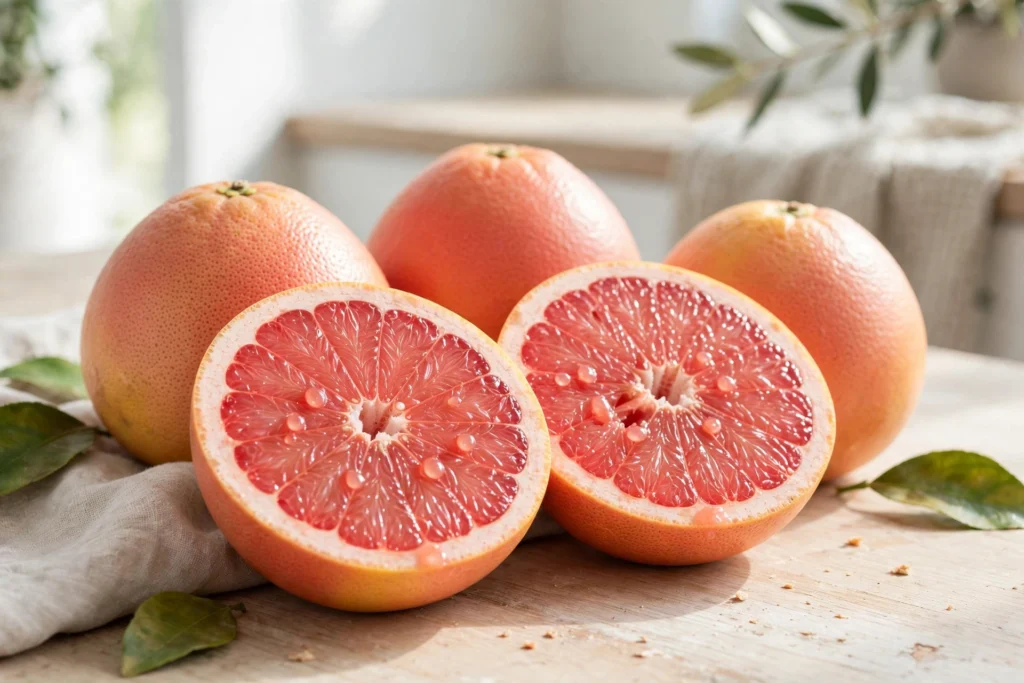

Grapefruit benefits for health have made this fruit a favourite of dieters for decades, and the reputation is not just hype. A grapefruit is low in calories, high in water, rich in vitamin C, and full of fibre, which is a combination that supports weight, immunity, and heart health all at once.
Half a medium grapefruit has only about 40 calories, yet it gives you roughly 40 mg of vitamin C, 1 gram of fibre, and a good dose of potassium and vitamin A. Pink and red grapefruits also contain lycopene, the same antioxidant that gives tomatoes their red colour and that researchers link to heart and prostate health.
In this guide, we will look at the main grapefruit benefits for health in plain language, with honest numbers and no miracle claims. You will learn what grapefruit can do for your weight, immunity, heart, and skin, how to eat it, and the important medicine warning that everyone should know.
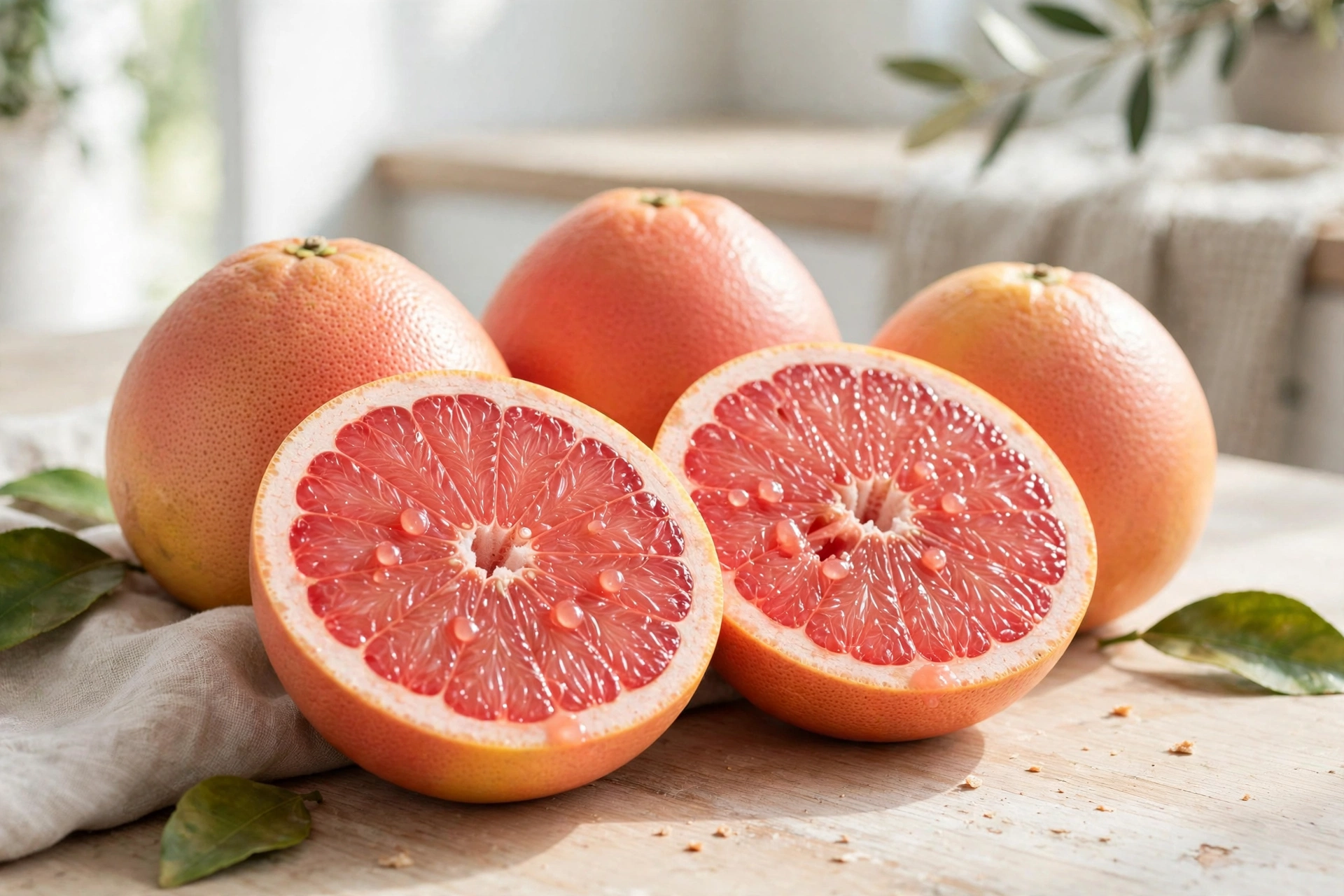
1. Weight Management and Fullness
Grapefruit is one of the best fruits for weight management, and the reason is simple: it is mostly water and fibre, so it fills you up for very few calories. Half a grapefruit has only about 40 calories, and eating it before a meal can help you feel fuller and eat a little less overall. A well-known study found that people who ate half a grapefruit before meals lost more weight over 12 weeks than those who did not, though the difference was modest and the study was small.
The fibre in grapefruit slows digestion, which keeps you full longer and steadies your blood sugar. A whole grapefruit gives you about 2 grams of fibre, and while that is not a huge amount, it adds up across a day of fruit, vegetables, and whole grains. The water content, around 88 percent, also helps, because foods with high water content tend to satisfy hunger better than dry foods with the same calories.
Grapefruit also has a low glycaemic index, which means its sugars enter the blood slowly. That helps avoid the energy crash that follows sugary snacks, and it makes grapefruit a smart choice for a mid-morning or afternoon snack when hunger hits hard.
It is important to be honest: grapefruit is not a magic weight-loss food. The old idea of a grapefruit-only diet is unhealthy and unsustainable. What grapefruit does well is support a sensible eating pattern, giving you a filling, low-calorie food that makes it easier to eat less without feeling deprived.
One more practical point: grapefruit works well as a breakfast food, because eating it first thing gives you water, fibre, and vitamin C before the day gets busy. People who start the day with fruit tend to eat more fruit overall, and that pattern is linked to better weight and heart outcomes in population studies. A grapefruit at breakfast is a simple way to set the tone for the rest of the day.
2. Vitamin C for Immunity
A whole grapefruit gives you about 80 mg of vitamin C, which covers most of your daily need in a single fruit. Vitamin C supports the immune system by helping white blood cells work properly and by protecting those cells from damage while they fight germs. It is one of the most important nutrients for a normal immune response.
Studies suggest that regular vitamin C intake may shorten colds and ease symptoms a little, though it does not prevent colds outright. That is a modest claim, but it is an honest one. Eating grapefruit regularly keeps your vitamin C stores topped up, which is a simple, food-based way to support your immune system.
Vitamin C also helps your body absorb iron from plant foods like beans, lentils, and spinach. Eating grapefruit with a plant-based meal can help your body take in more iron, which matters a lot if you eat mostly vegetarian food or if your iron levels run low.
There is another immune angle worth knowing: vitamin C is used up faster when the body is under stress, and the adrenal glands, which manage the stress response, hold some of the highest concentrations of vitamin C in the body. Eating vitamin C-rich fruit like grapefruit regularly helps keep those stores full.
3. Heart Health
Grapefruit supports heart health in several ways. It provides potassium, which helps the body balance sodium and is linked to healthier blood pressure in population studies. A whole grapefruit gives you about 330 mg of potassium, which is a useful contribution to a heart-friendly day.
The fibre in grapefruit, mainly soluble fibre, can help lower LDL cholesterol by reducing how much cholesterol the gut absorbs. The effect is modest on its own, but across a diet full of fibre-rich foods, it adds up. Grapefruit also contains naringin, a flavonoid that has been studied for its effects on blood vessels and cholesterol, though human evidence is still early.
Pink and red grapefruits contain lycopene, an antioxidant linked to heart health in observational studies. Lycopene is best known from tomatoes, but grapefruit is one of the few fruits that provides it in meaningful amounts. The deeper the pink colour, the more lycopene the fruit usually holds.
As with other fruits, grapefruit is not a treatment for heart disease. It works as part of an overall pattern that includes vegetables, whole grains, healthy fats, movement, and not smoking. But as part of that pattern, a daily grapefruit is a low-effort, high-value choice.
4. Hydration and Skin Health
Grapefruit is about 88 percent water, which makes it one of the most hydrating fruits you can eat. Eating water-rich fruit counts toward your daily fluid intake, and on a hot day, a cold grapefruit is refreshing in a way that plain water sometimes is not. Good hydration shows in your skin, your energy, and your digestion.
For skin, grapefruit brings vitamin C and lycopene together. Vitamin C helps your body build collagen, the protein that keeps skin firm and smooth, while lycopene and other antioxidants help protect skin cells from damage caused by sunlight. Eating grapefruit will not replace sunscreen, but it supports skin health from the inside over time.
The vitamin A in grapefruit also supports skin cell renewal. Healthy skin constantly sheds old cells and grows new ones, and vitamin A helps keep that cycle running smoothly. A diet that includes grapefruit alongside other colourful fruit and vegetables gives skin a steady supply of the nutrients it needs.
Many people notice their skin looks brighter when they eat more fruit in general, and grapefruit is a good example of why. The mix of water, vitamin C, and antioxidants gives skin steady support, and it does it through food rather than a cream. The glow people talk about is usually a mix of better hydration, more nutrients, and steadier blood sugar.
5. Blood Sugar Support
Grapefruit has a low glycaemic index, around 25, which means its sugars enter the blood slowly. That makes it one of the better fruits for people watching their blood sugar. Half a grapefruit has only about 8 grams of sugar, far less than a banana or a mango, and the fibre slows things down further.
Some research suggests that eating grapefruit before a meal may help blunt the blood sugar rise from that meal. The evidence is early and the studies are small, but the direction is consistent with what we know about fibre and low-glycaemic foods. Eating grapefruit as part of a meal, rather than alone as juice, gives you the best blood sugar result.
Grapefruit also contains naringenin, a compound that has been studied in animals for its effects on insulin sensitivity. Human evidence is thin, so this is a promising area rather than a proven benefit, and it deserves honest labelling. Nobody should treat grapefruit as a blood sugar medicine.
People with diabetes can usually enjoy grapefruit, but there is a big exception: the medicine interaction described in the Cautions section below. If you take any regular medicine, check with your doctor before adding grapefruit to your diet, because the interaction can be serious.
6. Eye Health
Grapefruit contains vitamin A in the form of beta-carotene, especially in the pink and red varieties, and vitamin A supports normal vision. A shortage of vitamin A can cause night blindness, and while that is rare in places with varied diets, keeping vitamin A intake steady through foods like grapefruit, carrots, and eggs is a sensible habit.
Vitamin C in grapefruit is also linked to eye health. Large studies suggest that diets rich in vitamin C and other antioxidants are linked to a lower risk of cataracts and age-related macular degeneration. The effect comes from years of eating well, not from a single fruit, but grapefruit is a pleasant way to add to your daily total.
The lycopene in pink grapefruit may also help the eyes. Lycopene is an antioxidant that gathers in tissues throughout the body, including the eye, where it may help protect cells from light damage. Research here is still early, but it adds one more reason to choose pink or red grapefruit over white when you can.
As with most foods, the eye benefits of grapefruit are a long game. Eating grapefruit most days, as part of a varied diet, is an easy way to support your vision over decades.
7. Digestion and Gut Comfort
Grapefruit gives you about 2 grams of fibre per fruit, which adds bulk and helps keep digestion regular. The fibre feeds friendly gut bacteria too, and a diet rich in varied plant fibre is linked to a more diverse gut microbiome, which is one of the best signs of a healthy gut.
The high water content of grapefruit also helps digestion. Water keeps food moving through the gut smoothly, and many people who feel sluggish after meals find that eating water-rich fruit helps. A grapefruit after lunch can feel refreshing and light, and it is a far better choice than a heavy dessert.
Grapefruit also contains natural fruit acids that can stimulate digestion, which is why it is often served as a starter. Some people find this helps them feel less bloated after a meal, though the effect is gentle and varies from person to person.
One thing to watch is that grapefruit juice is not the same as the whole fruit for digestion. Juice has almost no fibre, so it does not help your gut the same way, and it delivers sugar faster. Eat the fruit, segments and all, and you get the full package.
How to Eat It
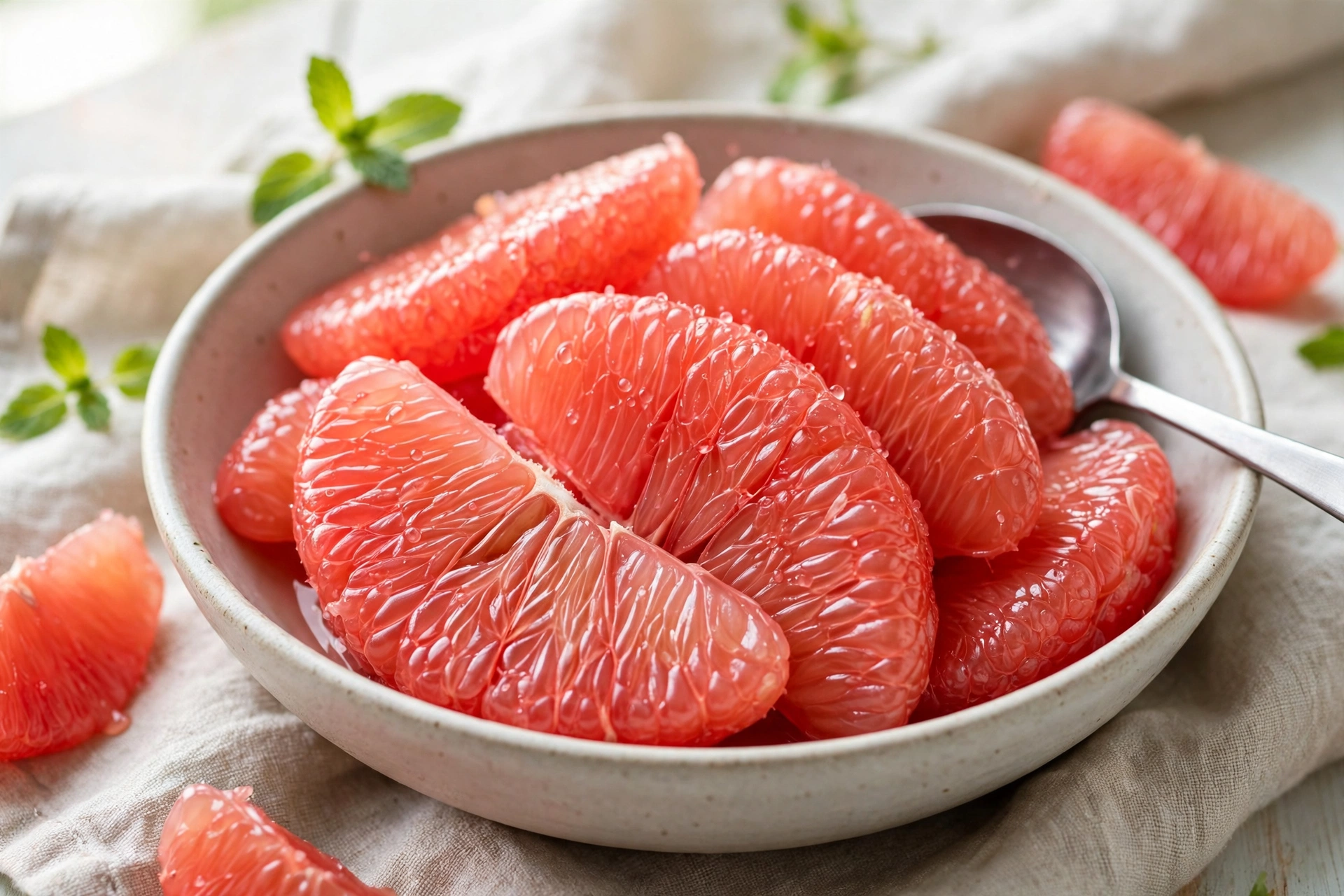
The classic way to eat grapefruit is to cut it in half, loosen the segments with a small knife, and eat it with a spoon. You can eat it plain or with a light sprinkle of sugar or honey, though plain is best if you are watching your weight. A squeeze of lime or a few mint leaves can brighten the flavour without adding sugar.
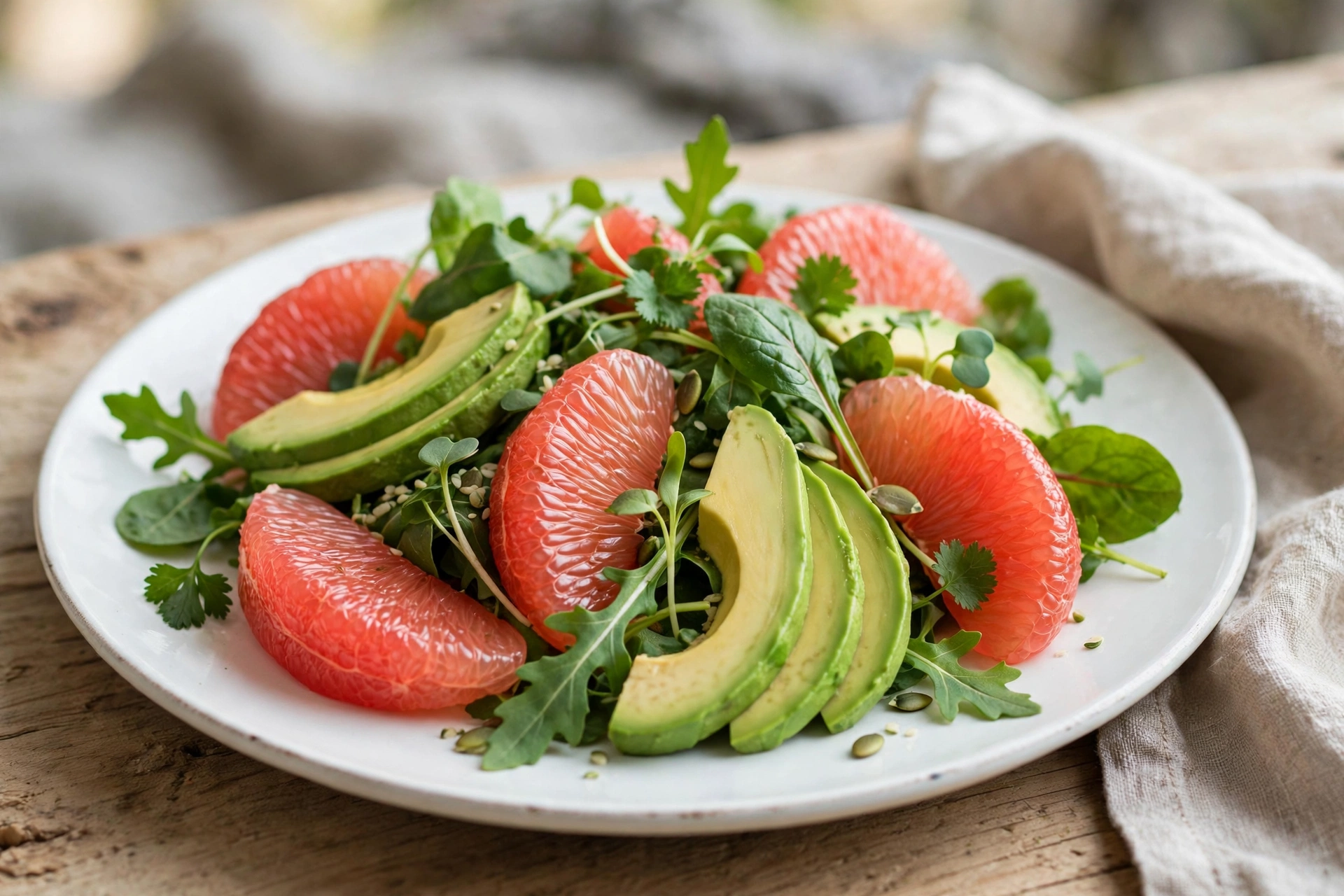
Grapefruit works well in salads, especially with avocado, prawns, or chicken, and it makes a lovely addition to a fruit salad with other citrus. Try it in a smoothie with Green Tea Benefits (What a Daily Cup Can Really Do for You) as a light breakfast drink, or add segments to a green salad with Walnut Benefits for Health (Brain, Heart, and More) for a crunchy, satisfying lunch.
For a simple dessert, broil grapefruit halves for a few minutes with a drizzle of Honey Benefits for Health (Uses, Nutrition, and Cautions) and a pinch of cinnamon. The heat softens the fruit and brings out its sweetness. Store grapefruit at room temperature for a few days or in the fridge for up to two weeks, and choose fruit that feels heavy for its size with smooth, firm skin.
If the bitterness of grapefruit puts you off, try the pink or red varieties, which tend to be sweeter than white ones, or mix segments into a fruit salad with sweeter fruit like oranges and berries. The bitter compounds are part of what makes grapefruit healthy, but there is no need to suffer: pairing it with sweeter foods is a fair compromise that still gives you the fibre and vitamins.
Cautions
The most important warning about grapefruit is its interaction with medicines. Grapefruit blocks an enzyme in the gut that normally breaks down many common drugs, including some statins, blood pressure medicines, and anti-anxiety drugs. This can cause the medicine to build up in your blood to unsafe levels. If you take any regular medicine, ask your doctor or pharmacist before eating grapefruit or drinking its juice, even in small amounts.
Grapefruit is also quite acidic, so it can bother people with acid reflux or heartburn, especially on an empty stomach. If citrus gives you discomfort, try eating grapefruit with other foods or in smaller portions, or talk to your doctor about your triggers. The acid can also soften tooth enamel, so rinse your mouth with water after eating and wait about 30 minutes before brushing.
Some people are allergic to citrus fruit, though this is uncommon. If your lips, tongue, or throat itch or swell after eating grapefruit, stop eating it and seek medical advice. And if you are pregnant, grapefruit is generally safe in normal food amounts, but check with your doctor about any medicine interactions, since the same warning applies.
FAQ
Is grapefruit good for weight loss?
It can help. Grapefruit is low in calories, high in water, and rich in fibre, so it fills you up for very few calories. Eating half a grapefruit before a meal may help you eat less overall. It works best as part of a balanced diet, not as a crash diet on its own.
Can I eat grapefruit if I take medicine?
Be careful. Grapefruit blocks an enzyme that breaks down many common medicines, including some statins and blood pressure drugs, which can raise drug levels in your blood. Always ask your doctor or pharmacist before eating grapefruit if you take any regular medicine.
Is grapefruit juice as healthy as the whole fruit?
No. Juice removes most of the fibre, so it does not fill you up the same way, and it delivers sugar faster. Whole grapefruit, eaten in segments, gives you fibre, slower sugar, and more satisfaction for the same calories.
Which is better, white or pink grapefruit?
Pink and red grapefruit have an edge because they contain lycopene, an antioxidant linked to heart and eye health, which white grapefruit lacks. White grapefruit is still healthy and rich in vitamin C, so the best choice is the one you enjoy eating.
Can people with diabetes eat grapefruit?
Yes, grapefruit has a low glycaemic index and only about 8 grams of sugar per half fruit, so it is one of the better fruits for blood sugar. But the medicine warning matters most here, since many people with diabetes take medicines that interact with grapefruit, so check with your doctor first.
Conclusion
Grapefruit is a fruit with a lot to offer: low calories, high water, plenty of vitamin C, and compounds that support your heart, skin, eyes, and blood sugar. Half a grapefruit before a meal is one of the simplest habits you can build, and it costs almost nothing.
Just remember the one big warning. If you take regular medicine, check with your doctor before adding grapefruit to your diet. For everyone else, a fresh grapefruit a day is a bright, refreshing way to support your health.
Sources
Grapefruit — Wikipedia
Grapefruit — Harvard T.H. Chan School of Public Health