
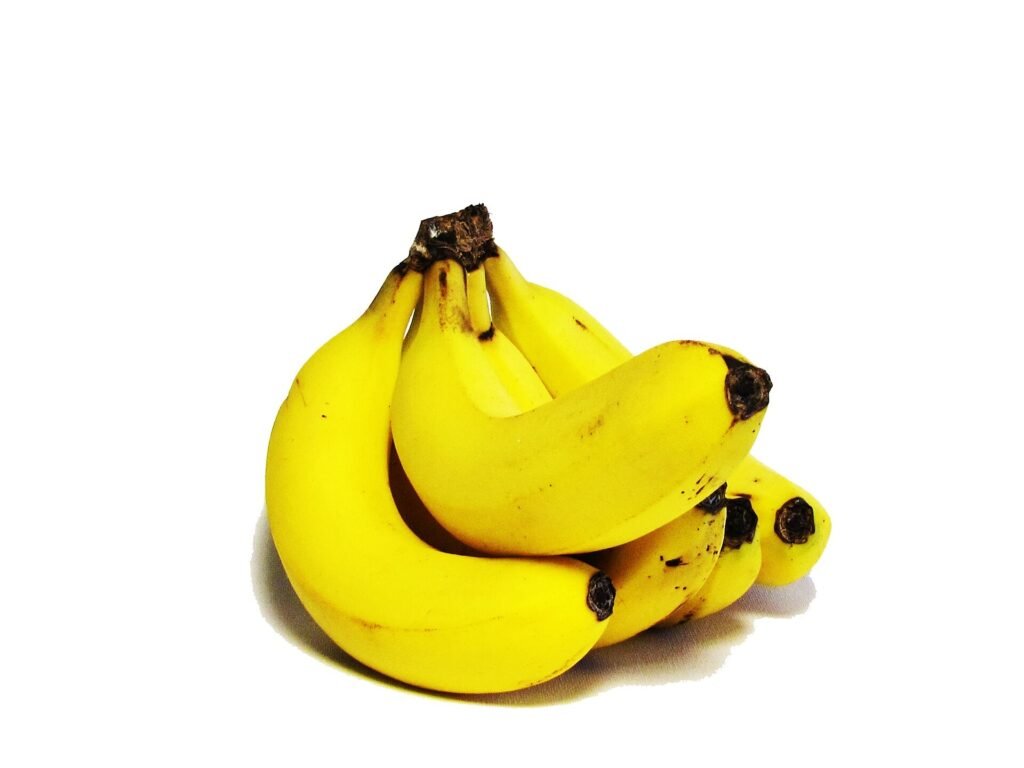

Few foods are as simple, affordable, and satisfying as a banana. It comes in its own natural wrapper, needs no washing or cooking, and fits just as easily in a lunchbox, a gym bag, or on top of your morning cereal. Whether you eat it on the go or slice it into a bowl at home, a banana is one of the easiest healthy habits you can keep.
So what actually happens when you make it a daily habit? People often ask about the benefits of eating bananas daily because bananas have a mixed reputation — loved for their potassium, but sometimes questioned for their sugar. The honest answer sits in the middle. Bananas are not a miracle food, and they will not fix a poor diet on their own. But they do bring a useful mix of fiber, potassium, vitamin B6, and natural energy that can support your health in several small, real ways.
In this article, we will walk through what is inside a banana, twelve science-based reasons people enjoy eating one every day, the best ways to add it to your meals, how much is sensible, and who should be a little more careful. No hype, just clear and practical information you can use.
Quick Benefits at a Glance
If you are short on time, here is the short version of why a daily banana can be a good choice for many people:
- Provides potassium that helps support healthy blood pressure as part of a balanced diet
- Gives you quick, portable energy from natural carbohydrates
- Contains fiber that supports regular digestion and a healthy gut
- May help you feel fuller between meals, which can make snacking less tempting
- Supplies vitamin B6, which your body uses for brain health and making red blood cells
- Helps support exercise recovery with carbs, potassium, and magnesium
- Is naturally low in fat and sodium and contains no added sugar
- Tastes sweet enough to replace less nutritious desserts and snacks
- Is budget-friendly, widely available, and easy for kids and adults to eat
That is a lot for one humble fruit. Now let us look at what is actually inside it.
What Is in a Banana? Nutrition Facts
Bananas are mostly water and carbohydrates, with a small amount of protein and very little fat. Most of their calories come from natural sugars and starch, but unlike candy or soda, those sugars come packaged with fiber, vitamins, and minerals that slow things down and add real nutrition.
The values below are approximate standard values for raw banana, based on typical USDA-style data.
Per 100 grams (about one small banana):
- Calories: about 89
- Water: about 75%
- Protein: about 1.1 grams
- Carbohydrates: about 22.8 grams
- Sugars: about 12.2 grams
- Fiber: about 2.6 grams
- Fat: about 0.3 grams
- Potassium: about 358 mg
- Vitamin C: about 8.7 mg
- Vitamin B6: about 0.4 mg
- Magnesium: about 27 mg
- Manganese: about 0.3 mg
- Folate: about 20 micrograms
- Copper: about 0.08 mg
One medium banana (about 118 grams) gives you roughly 105 calories, 27 grams of carbohydrates, 3 grams of fiber, 14 grams of natural sugar, and about 422 mg of potassium — around 9 to 12 percent of what most adults need in a day, depending on the guideline you follow.
Ripeness matters a little here. A firmer, slightly green banana contains more resistant starch, a type of carbohydrate that feeds friendly gut bacteria and is digested more slowly. A very ripe, spotty banana has converted more of that starch into sugar, so it tastes sweeter and digests a bit faster. Both are fine — they just work slightly differently in your body.
1. Potassium That Supports Heart Health
Bananas are best known for potassium, and for good reason. Potassium is a mineral that helps your body balance fluids, supports normal nerve and muscle function, and plays an important role in keeping blood pressure in a healthy range. When you get enough potassium and keep sodium — the mineral in salt — in check, that balance may help support your heart and blood vessels over time.
Many adults do not reach the recommended daily potassium intake from food alone. Adding a banana is not a complete solution, but it is an easy step in the right direction, especially when the rest of your day includes other potassium-rich foods like beans, leafy greens, yogurt, and potatoes.
It is important to keep this in perspective. Eating bananas daily will not by itself prevent heart disease, and it does not replace prescribed blood pressure medicine. Think of it as one helpful piece of a bigger pattern: more whole foods, less ultra-processed food, regular movement, and not smoking.
2. Fiber for Happier Digestion
How banana fiber works in your gut
A medium banana gives you about 3 grams of fiber. That may not sound like much, but it is about 10 percent of the daily fiber many adults aim for, from a single snack. Bananas contain two main kinds of fiber. Pectin helps add bulk and can increase as the fruit ripens. Resistant starch, found in higher amounts in less ripe bananas, passes through your small intestine mostly undigested and becomes food for the helpful bacteria in your large intestine.
When those bacteria ferment resistant starch, they produce short-chain fatty acids, which are compounds linked in studies to better gut health. In plain language, you are feeding the good microbes that help keep your digestive system running smoothly.
That fiber may also help support regular bowel movements and ease occasional constipation for some people, especially when you also drink enough water during the day. Very ripe bananas are soft and gentle for most stomachs, which is one reason bananas are often one of the first foods people return to after a stomach upset.
If bananas sometimes make you feel bloated, the ripeness could be part of it. Try a slightly less ripe banana, eat it slowly, and see if that feels better.
3. Natural Energy Without the Crash of Added Sugar
Bananas provide energy mainly from three natural sugars — glucose, fructose, and sucrose — along with fiber that helps moderate how quickly that energy is released. That combination makes a banana a practical choice before school, work, or a workout when you need fuel but do not want something heavy.
Unlike a sugary drink, a whole banana also brings potassium, vitamin B6, and water. Many people find that a banana eaten 30 to 60 minutes before exercise sits comfortably in the stomach and helps them get through a session without feeling sluggish.
Bananas can be useful after exercise too. Your muscles use up stored carbohydrate during activity, and eating carbs afterward helps refill those stores. Paired with a protein source like Greek yogurt, milk, or a handful of nuts, a banana makes a simple and affordable recovery snack.
4. May Help Support More Steady Blood Sugar
Because bananas taste sweet, many people assume they must spike blood sugar badly. The picture is more balanced than that. A banana has a low to medium glycemic index — roughly around 51 for a ripe banana, with less ripe bananas scoring lower — meaning it raises blood sugar more slowly than white bread or many sugary snacks. The fiber and resistant starch are a big reason why.
Ripeness, portion, and what you eat with it all matter. A large, very ripe banana eaten on its own will raise blood sugar faster than a medium, just-yellow banana eaten with peanut butter or yogurt, where the fat and protein slow digestion down.
If you live with diabetes, bananas are not automatically off the menu, but portion and timing deserve care. Many people with diabetes include half to one medium banana as part of a meal and monitor their own response. That is a conversation to have with your doctor or dietitian, because personal needs vary a lot. The benefits of eating bananas daily are not the same for everyone, and blood sugar management is one area where individual advice matters most.
5. A Satisfying Snack That Can Fit Into Weight Goals
A medium banana has about 105 calories, no fat to speak of, and enough fiber and volume to feel satisfying. Compare that with a pastry or a bag of chips at two or three times the calories, and it is easy to see why swapping in a banana can help some people keep their total intake in a more comfortable range.
There is no magic here. Bananas do not burn fat, and eating extra bananas on top of everything else will not help you lose weight. What they can do is replace a less filling snack, satisfy a sweet craving, and keep you going until your next meal without a trip to the vending machine.
If you are tracking your intake as part of a weight plan, it helps to know where a banana fits in your day. You can check your personal needs with a tool like the calorie calculator and then decide whether a banana works best as a breakfast add-on, a pre-workout snack, or an afternoon pick-me-up. That kind of simple planning often matters more than any single food.
6. Vitamin B6 for Brain, Mood, and Blood Health
Bananas are a solid source of vitamin B6, with one medium banana providing roughly a quarter to a third of the daily amount many adults need. Your body uses B6 to make neurotransmitters, which are the chemical messengers that help brain cells communicate. It is also involved in making hemoglobin, the part of red blood cells that carries oxygen.
Because B6 plays a role in creating serotonin and dopamine — two messengers linked to mood — getting enough of it is part of supporting normal mood and mental function. That does not mean a banana will treat low mood or anxiety. It simply means bananas contribute one of the nutrients your brain uses every day, alongside sleep, movement, and overall diet quality.
Bananas also contain a small amount of tryptophan, an amino acid your body can use to make serotonin. The amount in one banana is modest, so think of it as a gentle supportive food, not a therapy.
7. Antioxidants and Small Extras That Add Up
Beyond the headline nutrients, bananas contain several plant compounds, including dopamine and catechins, which act as antioxidants in the body. Antioxidants help protect your cells from damage caused by free radicals, which are unstable molecules produced during normal metabolism and by things like pollution and sunlight.
No single fruit provides enough antioxidants to do this job alone, and research in this area is still developing. The sensible takeaway is variety. If you enjoy exploring other everyday fruits too, our guide to the benefits of eating apples daily is a good companion read — apples and bananas each bring different fibers and plant compounds, and rotating fruits is an easy way to cover more ground.
Bananas also provide small amounts of vitamin C, manganese, and magnesium. Each amount looks minor on its own, but eaten daily, those small contributions add up over weeks and months.
8. Gentle, Versatile, and Kind to Your Budget
This last reason is practical, not scientific, but it matters. Bananas are soft, easy to chew, and generally gentle on the stomach, which makes them suitable for toddlers, older adults, and people recovering from illness who need easy energy. They are also one of the least expensive fruits in most grocery stores, available all year, and they require zero preparation.
When a healthy food is cheap and effortless, you are far more likely to actually eat it consistently. And consistency — eating a reasonably good diet most days — is where most of the real benefit comes from.
How to Eat Bananas Every Day Without Getting Bored
Eating a plain banana is perfectly fine, but variety keeps the habit enjoyable. Here are simple, realistic ways to use them:
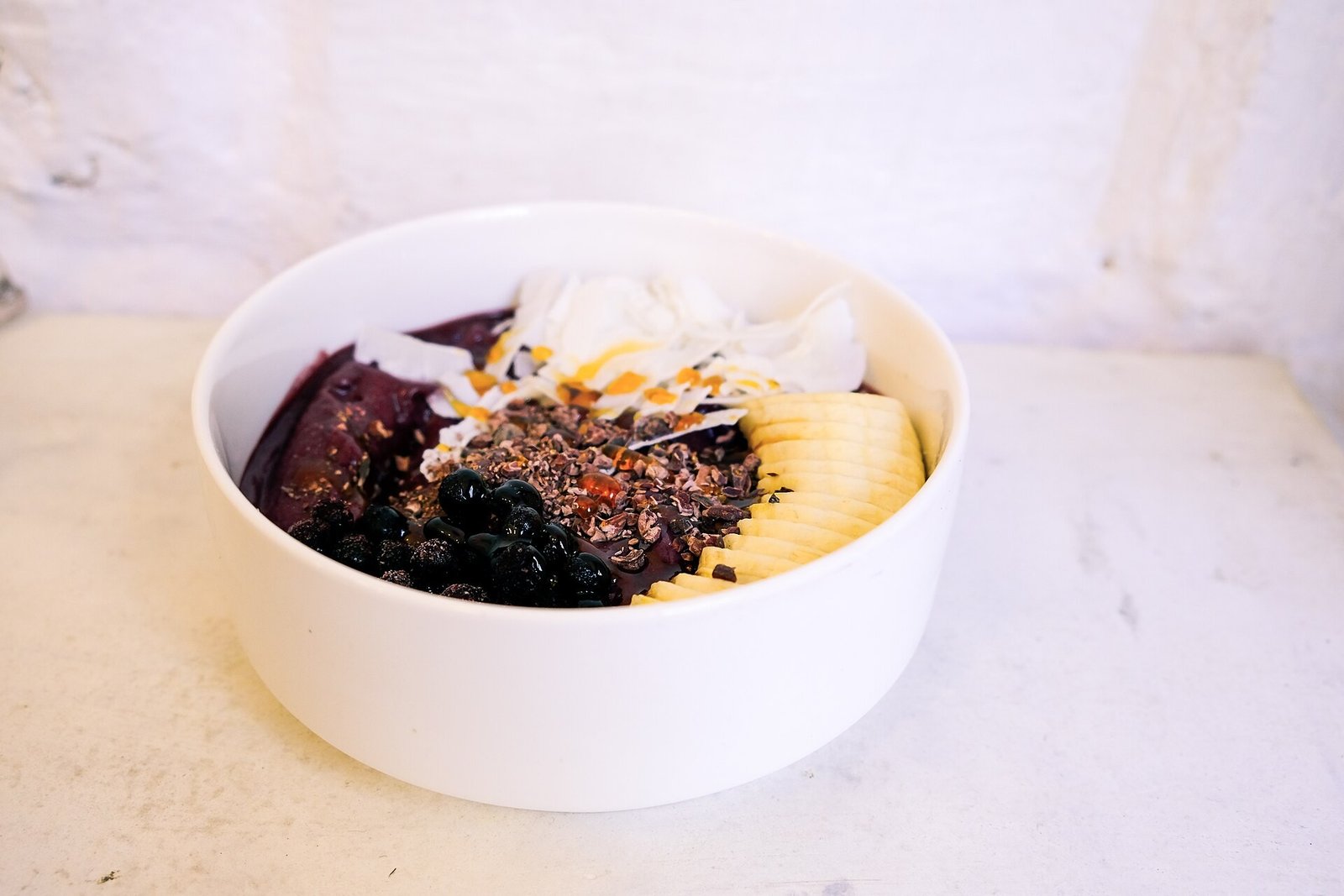
At breakfast: Slice a banana over oatmeal, whole-grain cereal, or yogurt. It pairs especially well with oats — if you want to understand why that combination is so filling, read more about oats benefits for health and try banana-topped oatmeal with a spoonful of peanut butter and a sprinkle of cinnamon.
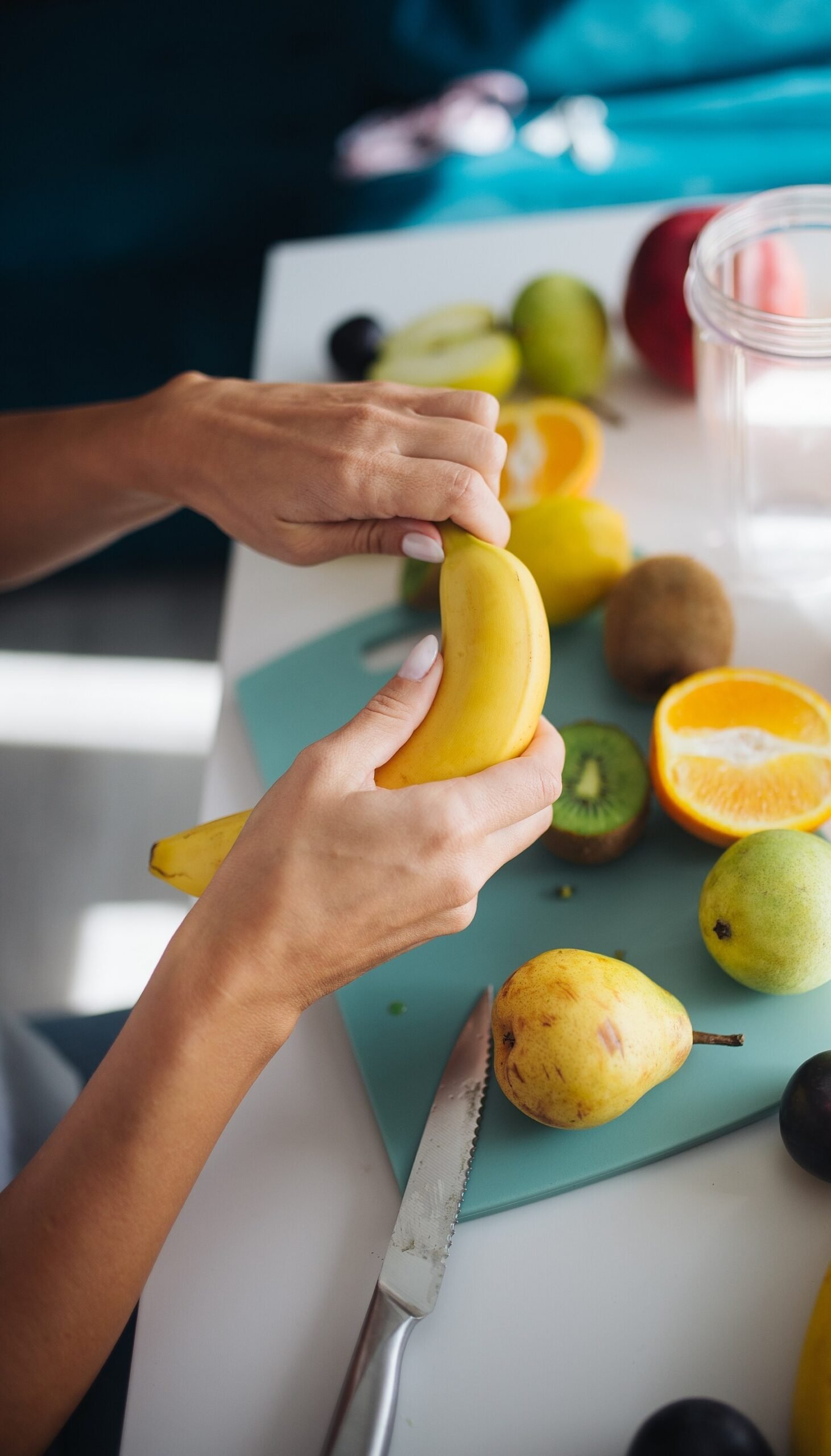
In smoothies: Blend a banana with milk or a plant-based drink, frozen berries, and a handful of spinach. The banana adds sweetness and a creamy texture, so you do not need added sugar or honey. A slightly overripe banana works best here.
As a snack: Pair a banana with a small handful of walnuts, almonds, or a tablespoon of peanut or almond butter. Adding a little protein and healthy fat makes the snack more filling and steadies your energy for longer.
In baking: Mashed ripe bananas can replace some of the sugar and fat in muffins, pancakes, and banana bread. You will still want to watch portions of baked goods, but banana-based recipes tend to be more satisfying than versions made with refined flour and added sugar alone.
Frozen treats: Peel, slice, and freeze ripe bananas, then blend the frozen pieces until smooth for a soft-serve style dessert. Add cocoa powder or a few strawberries for variety. It is a sweet ending that still counts as fruit.
Before and after workouts: Eat one plain, or blend it into a post-workout smoothie with milk and oats for a mix of carbs and protein.
Try to vary ripeness through the week too. A just-yellow banana for snacking, greener ones earlier in the week for more resistant starch, and spotty ones for baking and smoothies means nothing goes to waste.
How Much Banana Is Sensible Per Day?
For most healthy adults, one to two medium bananas a day fits comfortably into a balanced diet. One banana a day is a sweet spot for many people — enough to get meaningful potassium, fiber, and B6 without crowding out other fruits and foods.
Eating three or more every day is not automatically harmful, but it can become a problem of balance. Bananas could start to replace foods that give you nutrients bananas are low in, like protein, calcium, iron, and healthy fats. Large amounts also add up in sugar and calories, even though that sugar is natural.
Children need smaller portions — half to one banana is often plenty for a young child, depending on age and appetite. If you have a medical condition mentioned in the next section, your sensible amount may be lower, so check with your healthcare professional.
A good rule is simple: enjoy your daily banana, but let it be one part of a colorful plate, not the whole plan.
Side Effects and Who Should Be Careful
Bananas are safe for most people, but they are not perfect for everyone. Being honest about the cautions is part of trusting the benefits.
Kidney concerns and potassium: If you have advanced kidney disease, your kidneys may not remove extra potassium well, and high blood potassium can be dangerous. People in this situation are often told to limit high-potassium foods, including bananas. Do not guess — follow your doctor’s or renal dietitian’s specific guidance.
Certain blood pressure and heart medicines: Some medicines, including certain ACE inhibitors, ARBs, and potassium-sparing diuretics, can raise potassium levels. If you take these, ask your doctor whether eating a banana every day is fine for you. For many people it is, but it should not be assumed.
Allergies: Banana allergy is uncommon but real. It is sometimes linked to latex allergy and to allergies to avocado, kiwi, or chestnut, because the proteins are similar. Symptoms can include itching in the mouth, swelling, hives, or in rare cases a serious reaction. If bananas cause these symptoms, stop eating them and seek medical advice.
Migraines and sensitivity: Some people report that bananas trigger migraines, possibly due to natural compounds like tyramine, which is higher in riper bananas. The evidence is limited and personal — if you notice a pattern, keep a simple food diary and discuss it with your doctor.
Blood sugar and excess intake: People with diabetes should watch portion size and ripeness, as discussed earlier. Eating many bananas at once can also cause bloating, gas, or a stomach ache in some people simply because of the fiber and sugars arriving all at once.
Dental note: Like other sweet fruits, frequent snacking on bananas without good oral hygiene can contribute to tooth decay over time. Rinsing with water after eating and regular brushing helps.
This article is general information only and is not medical advice. If you have a health condition, take regular medication, or are unsure whether a daily banana is right for you, please talk to your doctor or a registered dietitian.
Frequently Asked Questions
Is it okay to eat a banana every single day?
For most healthy adults, yes. One banana a day is a nutritious habit that provides fiber, potassium, and vitamin B6 without a lot of calories. Just make sure it is part of a varied diet that also includes other fruits, vegetables, proteins, and whole grains, rather than replacing them.
Are bananas too high in sugar?
A medium banana has about 14 grams of natural sugar, but it also has fiber that slows how quickly that sugar enters your bloodstream. That is very different from added sugar in soda or candy. For most people the sugar in a whole banana is not a concern, though people with diabetes should watch portion and ripeness.
When is the best time to eat a banana?
There is no single best time. Many people enjoy bananas at breakfast for energy, before a workout for fuel, or as an afternoon snack to avoid less healthy options. Eating one in the evening is also fine for most people. Choose the time that helps you stick to the habit.
Do bananas help with muscle cramps?
Bananas are often linked to cramps because they provide potassium and magnesium, two minerals involved in muscle function. Getting enough of these minerals may help support normal muscle function, but cramps have many causes — dehydration, overuse, and certain medicines among them. A banana can help as part of good hydration and nutrition, but it is not a guaranteed fix for cramps.
Should I eat green or ripe bananas?
Both have value. Slightly green bananas have more resistant starch, which feeds gut bacteria and digests more slowly. Ripe, spotty bananas are sweeter, easier to digest, and a little higher in available sugars and some antioxidants. A mix through the week gives you a bit of both.
Can eating bananas daily help me lose weight?
Bananas alone will not cause weight loss. They can help indirectly if they replace higher-calorie, less filling snacks and help you feel satisfied on fewer total calories. Lasting weight change comes from your overall eating pattern, activity, and sleep — bananas are just a helpful, tasty tool in that bigger picture.
Are bananas good for kids to eat every day?
Yes, in age-appropriate portions. Bananas are soft, naturally sweet, and provide energy and potassium that growing kids need. Half to one banana a day is a reasonable amount for most young children, alongside a variety of other fruits and foods. Watch for any signs of allergy when bananas are first introduced.
What happens if I eat too many bananas?
Eating far more than you need — for example, many bananas every day for a long period — could give you too much potassium if your kidneys are not working well, add extra calories and sugar, and leave less room for other nutrients. In everyday amounts of one or two, most healthy people will not run into these problems.
Conclusion
A banana will not change your health overnight, and it does not need to. Its strength is how easy it makes a good choice feel. Portable, affordable, naturally sweet, and full of potassium, fiber, and vitamin B6, it quietly supports your heart, digestion, energy, and everyday nutrition — one simple snack at a time.
If you are thinking about the benefits of eating bananas daily, start with just one a day in the spot that fits your routine best — breakfast, a workout snack, or that mid-afternoon slump. Pair it with other whole foods, vary the rest of your fruit through the week, and pay attention to how you feel. Small habits you actually enjoy are the ones that last, and few habits are easier to enjoy than a good banana.


Pingback: Benefits of Eating Apples Daily: What an Apple a Day Really Does
Pingback: Dates Benefits for Health: Natural Energy and More
Pingback: Coconut Water Benefits (Hydration and Electrolytes, Explained Simply)
Pingback: Dragon Fruit Benefits for Health (Antioxidants, Gut, and Immunity)