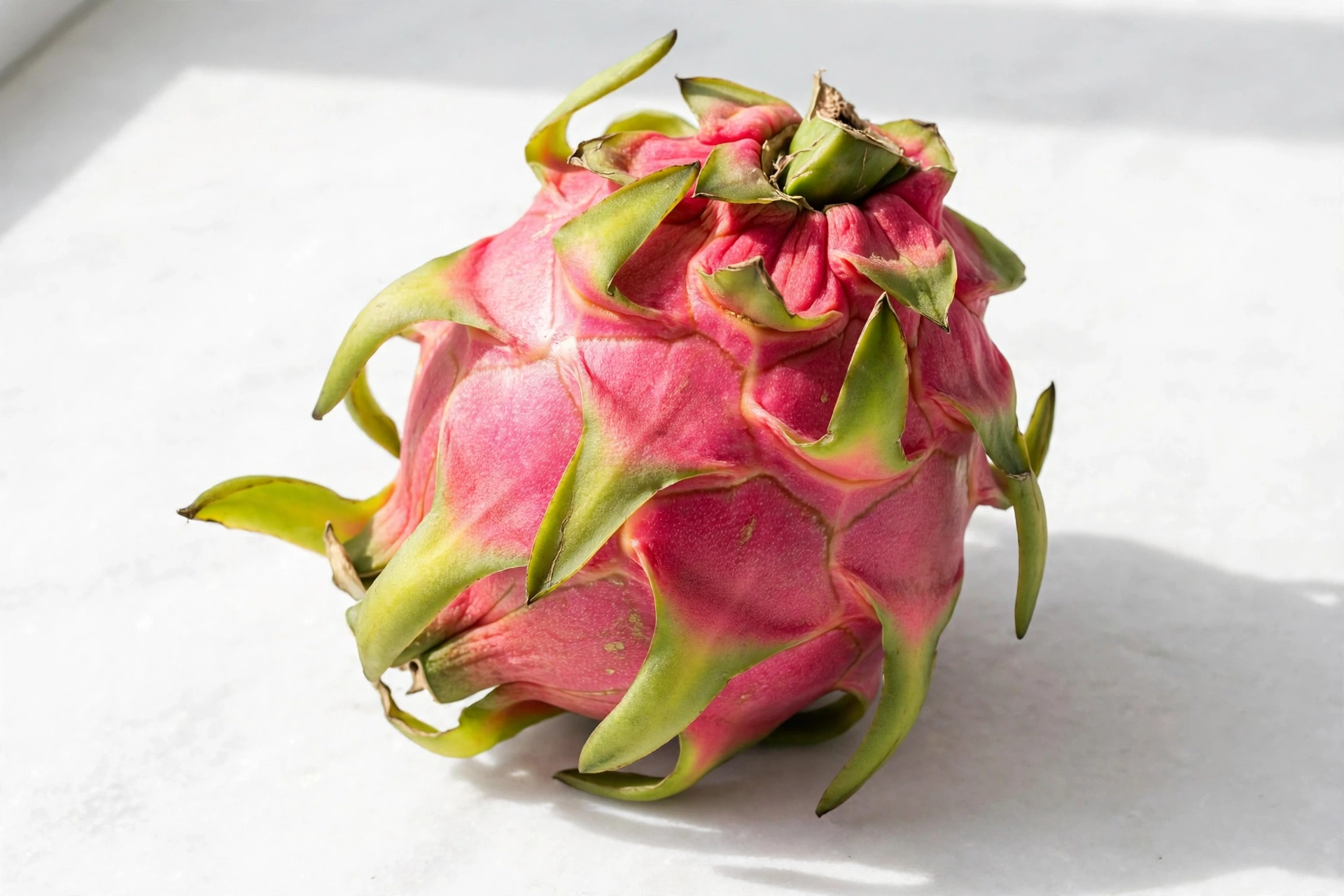
Dragon fruit benefits for health start with its looks. With bright pink skin, green scales, and white or red flesh speckled with tiny black seeds, dragon fruit looks like something from another planet. Yet behind the striking appearance sits a fruit that is low in calories, rich in fibre, and full of antioxidants.
A cup of dragon fruit, about 170 grams, gives you around 100 calories, 5 grams of fibre, and about 10 mg of vitamin C, plus magnesium, iron, and a group of plant compounds called betalains, which give red-fleshed dragon fruit its deep colour and much of its studied benefit.
In this guide, we will look at the main dragon fruit benefits for health in plain language, with honest numbers and no miracle claims. You will learn what dragon fruit can do for your gut, immunity, blood sugar, and skin, how to eat it, and who should take a little care.
1. Antioxidants and Cell Protection
Dragon fruit is rich in antioxidants, including vitamin C, betalains, and flavonoids. Betalains are the pigments that give red-fleshed dragon fruit its deep pink colour, and they have been studied for their ability to protect cells from damage. Flavonoids, including the ones in the white-fleshed type, add to the antioxidant load.
Antioxidants help neutralise free radicals, the unstable molecules that form when your body processes food, breathes in pollution, or sits in the sun. Left unchecked, free radicals can damage cells over time, and that damage is linked to ageing and many long-term health problems. Eating antioxidant-rich fruit is one of the simplest ways to support your body’s defences.
Red-fleshed dragon fruit carries more betalains than the white-fleshed kind, so it has a stronger antioxidant profile. The white-fleshed type is still healthy and gives you fibre, vitamin C, and magnesium, but if antioxidant content is your main reason for eating dragon fruit, the red or pink-fleshed varieties are the better choice.
Researchers often point out that the antioxidant effect of food is greater than the sum of its parts. A dragon fruit gives you dozens of compounds working together, in amounts your body can actually use, which is a better deal than a single high-dose supplement. That is one more reason to eat the fruit itself.
2. Gut Health and Prebiotic Fibre
Dragon fruit gives you about 5 grams of fibre per cup, which is a strong amount for a low-calorie fruit. Much of that fibre is a type called oligosaccharides, which act as prebiotics, meaning they feed the friendly bacteria in your gut. These bacteria ferment the fibre and produce short-chain fatty acids, compounds that nourish the cells lining your gut.
Research on dragon fruit and gut bacteria is growing. Small studies suggest that eating dragon fruit regularly may support the growth of beneficial bacteria like Lactobacillus and Bifidobacterium, which are linked to better digestion and immune health. The work is still early, mostly in labs and small trials, but the direction is encouraging.
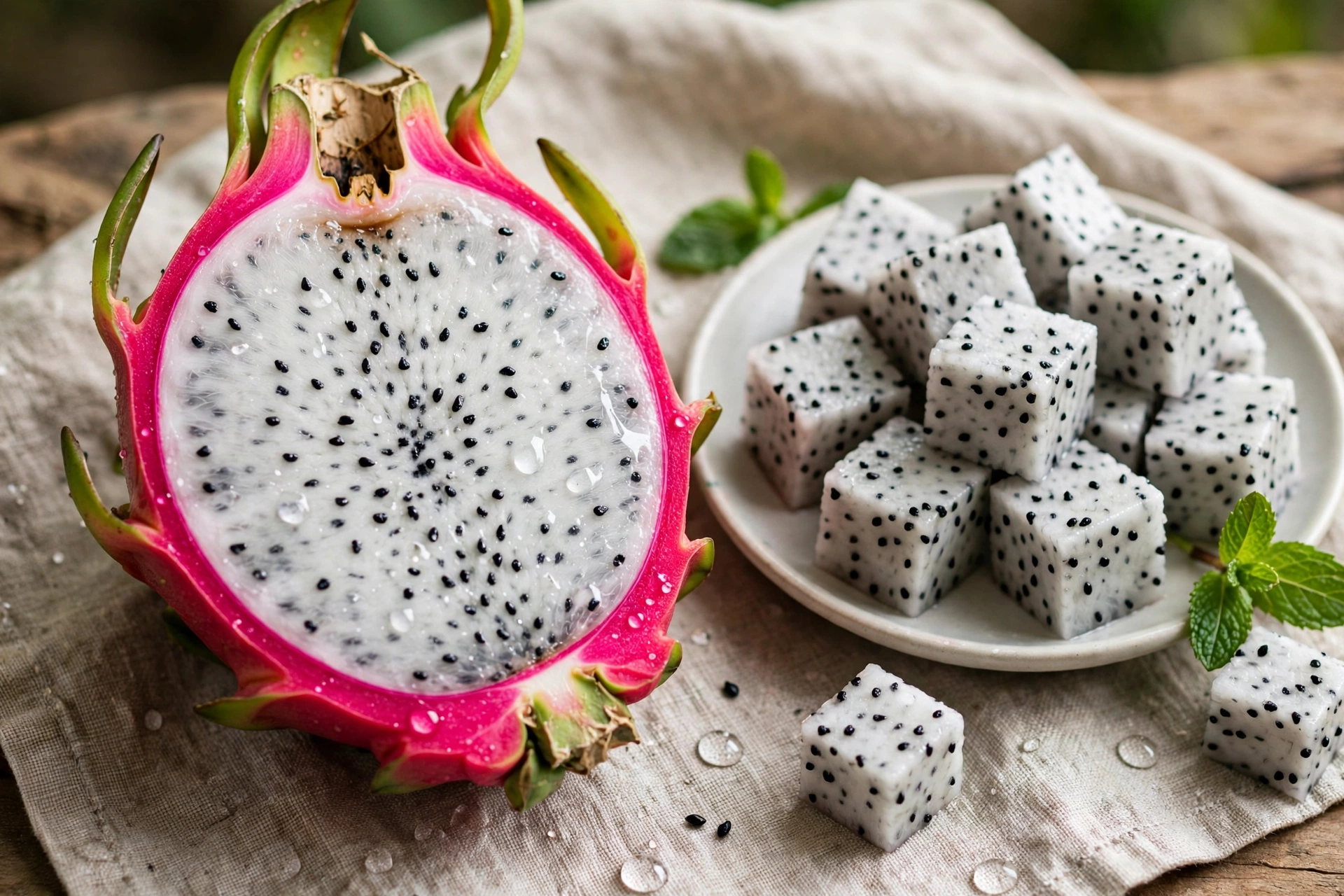
The tiny black seeds in dragon fruit also add fibre and healthy fats, including omega-3 and omega-6 fatty acids in small amounts. The seeds are soft and easy to eat, and they pass through the gut mostly undigested, which adds bulk and helps keep things moving.
For people with sensitive stomachs, dragon fruit is usually gentle. It is low in acid, easy to digest, and rarely causes the bloating that beans or cruciferous vegetables can bring. A cup of dragon fruit after a meal is a light, refreshing way to support your gut.
3. Immunity and Vitamin C
Dragon fruit gives you vitamin C, which supports the immune system by helping white blood cells work properly and by protecting them from damage while they fight germs. A cup of dragon fruit gives you about 10 mg of vitamin C, which is a modest amount, but it adds up alongside other fruit in your diet.
Dragon fruit also contains iron, a mineral your body needs to make immune cells and to carry oxygen to your tissues. A cup of dragon fruit gives you about 8 percent of your daily iron, which is a useful contribution from a fruit, since most fruit is low in iron. The vitamin C in the fruit also helps your body absorb that iron.
The betalains in red dragon fruit add another layer of immune support. These compounds act as antioxidants, helping to neutralise the free radicals that can damage immune cells over time. This is a quiet, long-term kind of support, not a quick fix, but it is part of why diets rich in colourful fruit are linked to better immune health.
Dragon fruit will not prevent colds on its own, and no food can promise that, but as part of a diet rich in varied fruit and vegetables, it helps keep your immune system well supplied. A cup of dragon fruit a few times a week is a colourful, tasty contribution to a healthy immune system.
One more point worth knowing is that the vitamin C in dragon fruit is best absorbed from fresh fruit, since vitamin C breaks down with heat and long storage. Eating dragon fruit fresh, soon after cutting, gives you the most of it, while dragon fruit juice that has been pasteurised and stored for weeks may have lost much of its vitamin C.
4. Blood Sugar Support
Dragon fruit has a low glycaemic index, which means its sugars enter the blood slowly. That makes it a good choice for people watching their blood sugar. A cup of dragon fruit has about 13 grams of natural sugar, but the 5 grams of fibre slows it down, so the rise is gentler than from a biscuit or a sweetened drink.
Some research suggests that dragon fruit may help with blood sugar control. Small studies in people with prediabetes found that eating dragon fruit daily for several weeks was linked to lower fasting blood sugar, though the studies were small and the results need confirming in larger trials. The effect may come from the fibre and the betalains working together.
The fibre in dragon fruit also helps with blood sugar by slowing digestion, which means the sugar from a meal is released more gradually. Eating dragon fruit as part of a meal, rather than alone as juice, gives you the best blood sugar result, because the fibre works alongside the other foods on your plate.
People with diabetes can usually enjoy dragon fruit in normal portions, but as always, individual blood sugar responses vary. A cup is a sensible serving, and pairing it with nuts or yogurt slows the sugar down further. Check your own levels and talk to your doctor about what fits your plan.
5. Heart Health
Dragon fruit supports heart health through its fibre, magnesium, and betalains. The soluble fibre in dragon fruit can help lower LDL cholesterol by reducing how much cholesterol the gut absorbs, while magnesium supports normal heart rhythm and healthy blood pressure.
A cup of dragon fruit gives you about 25 mg of magnesium, which is around 6 percent of your daily need. It is a modest amount, but it adds to a day that includes nuts, seeds, and leafy greens, and magnesium is one of the minerals many people do not get enough of.
The betalains in red dragon fruit have been studied for their effects on blood vessels and cholesterol. Early research in animals suggests they may help protect blood vessels from damage and support healthy cholesterol levels, though human evidence is still limited and mostly comes from small trials.
As with other fruits, dragon fruit is not a treatment for heart disease. It works as part of an overall pattern that includes vegetables, whole grains, healthy fats, movement, and not smoking. But as part of that pattern, a cup of dragon fruit is a colourful, low-calorie choice.
Dragon fruit also contains a small amount of healthy fat in its seeds, including omega-3 and omega-6 fatty acids. The amounts are tiny, so dragon fruit is not a meaningful source of these fats on its own, but it adds to a day that includes nuts, seeds, and fish, and every little bit counts toward a heart-friendly diet.
6. Skin Health
Dragon fruit brings vitamin C and betalains together for your skin. Vitamin C helps your body build collagen, the protein that keeps skin firm and smooth, while betalains help protect skin cells from damage caused by sunlight and pollution. Eating dragon fruit will not replace sunscreen, but it supports skin from the inside.
Dragon fruit is about 85 percent water, so it helps with hydration, and hydrated skin looks plumper and healthier. Many people notice their skin looks fresher when they eat more water-rich fruit and drink enough water through the day, and dragon fruit is a pleasant way to add to that.
The iron in dragon fruit also plays a role in skin health, since your body needs iron to carry oxygen to skin cells. A shortage of iron can leave skin looking pale and tired, so getting it from food matters, and dragon fruit adds a small but useful contribution.
Dragon fruit extract appears in some skin care products, but eating the fruit is the simpler route, and it gives you the fibre and water that no cream can offer. A bowl of dragon fruit a few times a week is a colourful way to support your skin through food.
7. Weight Management and Hydration
At about 100 calories per cup, dragon fruit is a satisfying, low-calorie snack. The fibre and water inside it take up space in your stomach, so you feel full for longer than you would after the same number of calories from crackers or chips. That fullness is a genuine help when you are trying to manage your weight.
Dragon fruit is about 85 percent water, which makes it one of the most hydrating fruits you can eat. On a hot day, a bowl of cold dragon fruit is refreshing in a way that plain water sometimes is not, and it gives you vitamins and minerals at the same time.
The natural sweetness of dragon fruit also helps satisfy a craving for something sweet without reaching for cake or chocolate. A ripe dragon fruit tastes mild and sweet, and it works well in smoothies, fruit salads, and yogurt bowls, where it adds colour and flavour without many calories.
For people watching their weight, dragon fruit is a smart choice because it is easy to portion. A cup of cubes is a clear, visible serving, and the fibre keeps you full. Pair it with protein like yogurt or nuts, and you have a snack that lasts for hours.
How to Eat It
The easiest way to eat dragon fruit is to cut it in half, scoop out the flesh with a spoon, and eat it straight from the skin. You can also peel it and slice the flesh into cubes. Choose fruit that feels heavy for its size, with bright, even-coloured skin and no soft spots or mould. The flesh should be firm but give slightly when pressed.
Dragon fruit is wonderful in smoothies, fruit salads, and yogurt bowls. Try it blended with Coconut Water Benefits (Hydration and Electrolytes, Explained Simply) for a tropical drink, or add cubes to a fruit salad with Benefits of Eating Bananas Daily (12 Science-Based Reasons to Eat One Every Day) and berries. The mild flavour pairs well with stronger fruit like mango and pineapple.
For a beautiful breakfast bowl, add dragon fruit cubes to Yogurt Benefits for Health (Gut Health, Protein, and Strong Bones) with a sprinkle of chia seeds and a drizzle of honey. Store whole dragon fruit at room temperature for a few days or in the fridge for up to a week, and eat cut fruit within two to three days.
Cautions
Dragon fruit is safe for most people, but there are a few things to watch. Some people are allergic to dragon fruit, and the allergy can cause itching, swelling, or stomach upset. If you notice symptoms after eating it for the first time, stop eating it and talk to your doctor, especially if breathing is affected.
Eating a lot of red dragon fruit can turn your urine or stool pink or red, which can be alarming if you do not expect it. This is harmless and fades within a day or two, and it is caused by the betalain pigments, not by blood. It is the same effect that beetroot can cause.
Some people find dragon fruit causes stomach upset or loose stools when eaten in large amounts, mainly because of the fibre and natural sugars. A cup or so is fine for most people, but a whole large fruit in one sitting can be too much. And if you take blood-thinning medicine, note that dragon fruit is generally safe in normal food amounts, but always mention your diet to your doctor.

FAQ
How do you eat dragon fruit?
Cut it in half and scoop out the flesh with a spoon, or peel it and slice it into cubes. The skin is not eaten, but the flesh and the tiny black seeds are. Choose fruit that feels heavy for its size with bright skin and no soft spots.
Is red dragon fruit healthier than white?
Red dragon fruit has an edge because it contains betalains, antioxidants that give it its deep colour, which white dragon fruit lacks. White dragon fruit is still healthy and gives you fibre, vitamin C, and magnesium, so the best choice is whichever you enjoy eating.
Can people with diabetes eat dragon fruit?
Yes, dragon fruit has a low glycaemic index and only about 13 grams of sugar per cup, with 5 grams of fibre that slows it down. A cup is a sensible serving, and pairing it with nuts or yogurt helps further. People with diabetes should check their blood sugar and follow their doctor’s advice.
Does dragon fruit help with digestion?
It can help. Dragon fruit gives you about 5 grams of fibre per cup, including prebiotic fibre that feeds friendly gut bacteria. It is gentle on most stomachs and helps keep digestion regular, especially when eaten as part of a fibre-rich diet.
Why is my urine pink after eating dragon fruit?
The betalain pigments in red dragon fruit can turn urine or stool pink or red. This is harmless and fades within a day or two. It is the same effect that beetroot can cause, and it is not a sign of bleeding or illness.
Conclusion
Dragon fruit is a fruit that lives up to its looks. It brings fibre, antioxidants, magnesium, and iron to your plate, supporting your gut, immunity, blood sugar, heart, and skin, and it does it in a snack that is low in calories and high in colour.
Cut it in half, scoop it out, and enjoy it fresh, in smoothies, or in a yogurt bowl. That small habit is one of the easiest and most beautiful wins in a healthy diet.
Sources
Pitaya (dragon fruit) — Wikipedia
Dragon Fruit — Harvard T.H. Chan School of Public Health