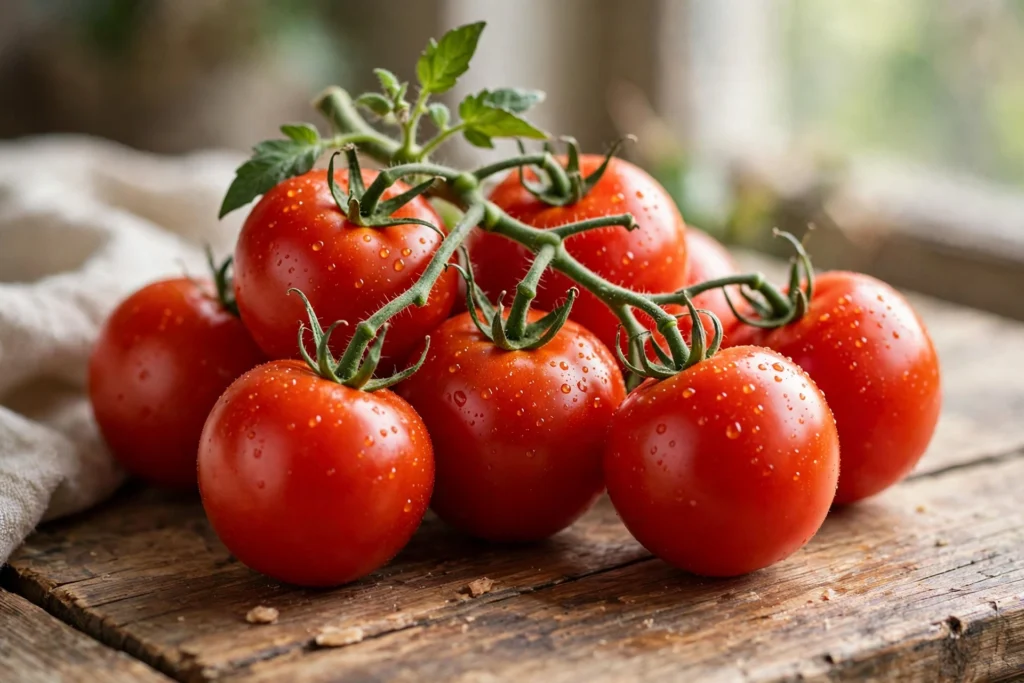

Tomato benefits for health are built on one standout compound: lycopene, the antioxidant that gives tomatoes their red colour. Lycopene is one of the most studied plant compounds in nutrition, and tomatoes are the richest food source of it, providing far more than any other common food.
A medium tomato, about 120 grams, gives you around 20 calories, 1.5 grams of fibre, and about 15 mg of vitamin C, plus potassium, vitamin A, vitamin K, and folate. A cup of tomato sauce gives you even more lycopene, because cooking breaks down the cell walls and makes the lycopene easier for your body to absorb.
In this guide, we will look at the main tomato benefits for health in plain language, with honest numbers and no miracle claims. You will learn what tomatoes can do for your heart, skin, eyes, and bones, how to eat them for the most benefit, and who should take a little care.
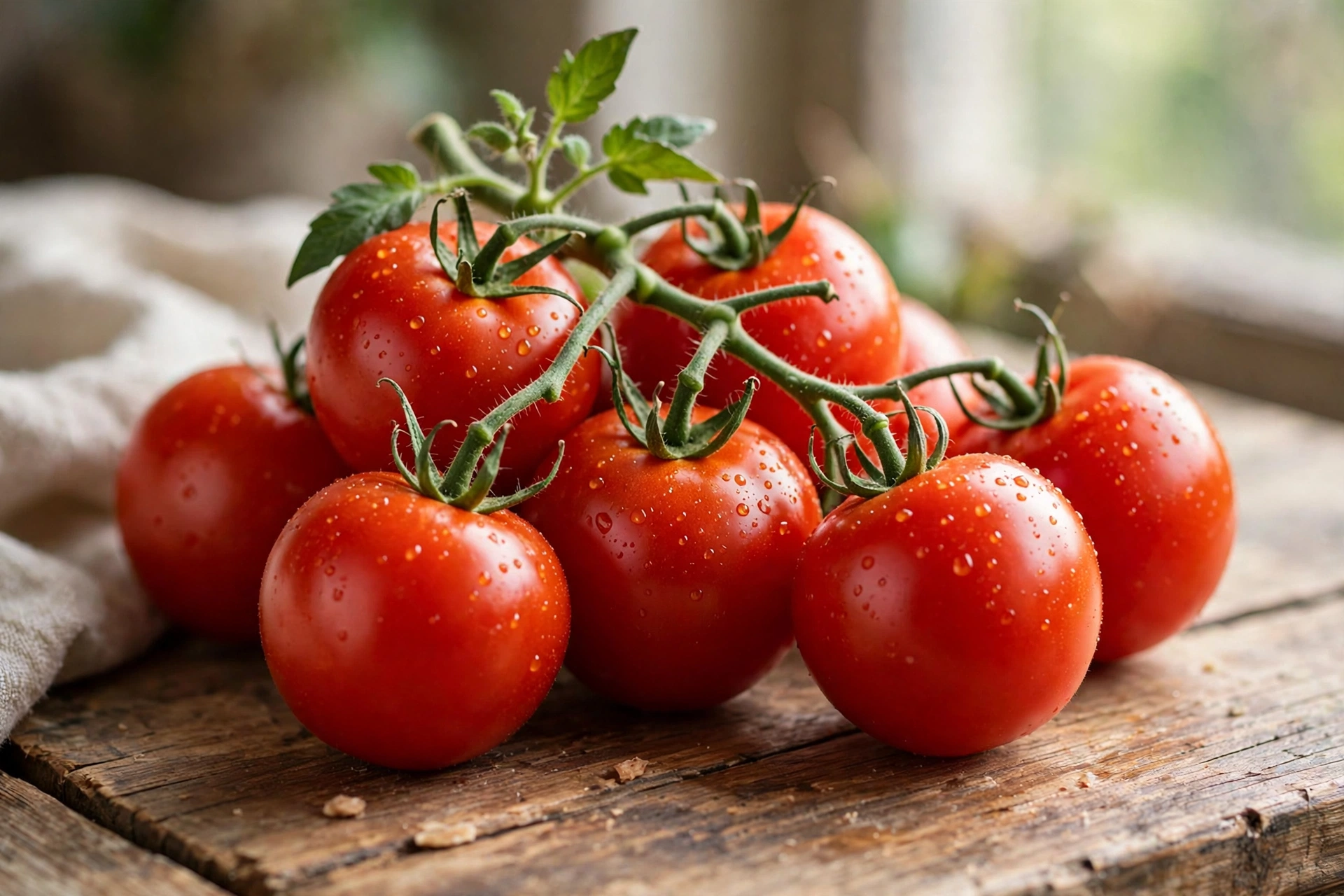
1. Lycopene and Heart Health
Lycopene is the star of the tomato story. It is a powerful antioxidant that gives tomatoes their red colour, and it has been studied more than almost any other plant compound for heart health. Large population studies find that people with higher blood levels of lycopene tend to have a lower risk of heart disease and stroke, though these studies cannot prove cause and effect on their own.
Tomatoes also provide potassium, which helps the body balance sodium and is linked to healthier blood pressure in population studies. A medium tomato gives you about 290 mg of potassium, and a cup of tomato sauce gives you even more, around 800 mg. That is a useful contribution to a heart-friendly day.
The fibre in tomatoes adds another small benefit for the heart. Soluble fibre helps lower LDL cholesterol by reducing how much cholesterol the gut absorbs. The effect from tomatoes alone is modest, but across a diet full of fibre-rich foods, it adds up.
It is worth saying plainly that tomatoes are not a treatment for heart disease. They work as part of an overall pattern that includes vegetables, whole grains, healthy fats, movement, and not smoking. But as part of that pattern, eating tomatoes most days is one of the easiest and cheapest choices you can make.
2. Skin Health and Sun Protection
Lycopene may help protect skin from sun damage. Studies suggest that people who eat lycopene-rich foods regularly, especially cooked tomatoes with a little olive oil, have skin that is more resistant to UV damage. One small trial found that eating tomato paste daily for 10 weeks reduced sunburn by about 40 percent compared with a control group, though the study was small and the results need confirming.
Tomatoes also give you vitamin C, which your body needs to make collagen, the protein that keeps skin firm and smooth. Without enough vitamin C, collagen production slows and skin can look dull. A medium tomato gives you about 15 mg of vitamin C, and it adds up alongside other fruit and vegetables in your diet.
The vitamin A in tomatoes supports skin cell renewal too. Healthy skin constantly sheds old cells and grows new ones, and vitamin A helps keep that cycle running smoothly. A diet that includes tomatoes alongside other colourful vegetables gives skin a steady supply of the nutrients it needs.
Eating tomatoes will not replace sunscreen, and nobody should think a salad can undo sun damage on its own, but a diet rich in lycopene and vitamin C supports skin health from the inside over years. The best protection is still sunscreen, shade, and a hat, with tomatoes as a tasty backup.
There is another skin angle worth knowing: lycopene may help skin stay smooth by supporting collagen, the protein that keeps skin firm. Some small studies found that people who ate lycopene-rich foods regularly had skin that looked a little firmer and more even-toned, though the evidence is early and the effect is modest.
3. Eye Health
Tomatoes contain lutein and zeaxanthin, two antioxidants that gather in the retina and help protect the eye from light damage. These are the same compounds found in leafy greens and eggs, and diets rich in them are linked to a lower risk of age-related macular degeneration, a leading cause of vision loss in older people.
Tomatoes also provide vitamin A in the form of beta-carotene, which supports normal vision. Vitamin A is essential for the retina, and a shortage can cause night blindness. A medium tomato gives you a small but useful amount of beta-carotene, and it adds to a day that includes other colourful foods.
Vitamin C in tomatoes is also linked to eye health. Large studies suggest that diets rich in vitamin C and other antioxidants are linked to a lower risk of cataracts. The effect comes from years of eating well, not from a single tomato, but tomatoes are a pleasant way to add to your daily total.
As with most foods, the eye benefits of tomatoes are a long game. Eating tomatoes most days, as part of a varied diet, is an easy way to support your vision over decades.
4. Bone Health
Tomatoes contain several nutrients that support bones, including vitamin K, calcium, and potassium. Vitamin K helps the body use calcium properly, calcium builds bone tissue, and potassium may help reduce the amount of calcium lost in urine. None of these is present in huge amounts in a single tomato, but they add up across a day of varied eating.
Lycopene may also help bones. Early research suggests that lycopene may support bone health by reducing the oxidative stress that speeds up bone loss, and some studies link higher lycopene intake with better bone density in older adults. The evidence is early, but it adds one more reason to eat tomatoes regularly.
Tomatoes are also low in acid-forming compounds compared with many other foods, which matters because diets high in acid-forming foods may increase calcium loss from bones. Eating alkaline-forming foods like fruit and vegetables helps balance that out, and tomatoes are a versatile, everyday choice that fits well into that pattern.
For older adults, tomatoes are a smart choice because they are soft, easy to chew, and easy to digest. A tomato salad with olive oil, a bowl of soup, or a simple sauce over pasta is a light, nutritious meal that supports bones, heart, and skin all at once.
It is worth noting that tomatoes work well alongside other bone-friendly foods. A meal that pairs tomatoes with leafy greens, beans, or dairy gives your bones calcium, vitamin K, magnesium, and potassium all at once, and that combination is far more effective than any single food on its own.
5. Blood Pressure Support
Tomatoes are a good food for blood pressure, mainly because of their potassium and lycopene. Potassium helps the body balance sodium, and diets that are higher in potassium and lower in sodium are consistently linked to healthier blood pressure readings in population studies.
Some trials have found that eating cooked tomatoes or tomato extract daily for a few weeks lowered blood pressure in people with high blood pressure. The studies are small and the results are mixed, so this is a promising area rather than a proven benefit, but the direction is consistent with what we know about potassium-rich foods.
Tomatoes are also naturally low in sodium, which matters because most of the sodium in modern diets comes from processed food, not from fresh vegetables. Eating fresh tomatoes instead of salty snacks is one of the easiest swaps you can make for blood pressure.
One thing to watch is that canned tomato products, like soup and sauce, can be very high in sodium. Check the label and choose low-sodium versions when you can, or make your own sauce from fresh tomatoes, which gives you all the benefit without the added salt.
6. Immunity and Vitamin C
Tomatoes give you vitamin C, vitamin A, and several B vitamins, all of which support a normal immune response. Vitamin C helps white blood cells work properly, vitamin A supports the barriers that keep germs out, and the B vitamins help the body make energy and new cells.
A medium tomato gives you about 15 mg of vitamin C, which is around 17 percent of your daily need, and a cup of tomato sauce gives you even more. Vitamin C is one of the most important nutrients for immunity, and getting it from food is the best way to keep your levels steady.
The lycopene in tomatoes adds another layer of immune support. As an antioxidant, it helps protect immune cells from damage, and early research suggests it may support the body’s defences in more specific ways too, though the work is still young.
Tomatoes will not prevent colds on their own, and no food can promise that, but as part of a diet rich in varied fruit and vegetables, they help keep your immune system well supplied. A tomato a day is a simple, cheap contribution to a healthy immune system.
Vitamin A in tomatoes deserves a second mention here, because it does more than support skin and eyes. Vitamin A also helps maintain the mucous membranes that line your nose, mouth, and gut, which are the first line of defence against germs. When those barriers are healthy, germs have a harder time getting in, so the vitamin A in tomatoes quietly supports immunity in a way most people never think about.
7. Digestion and Gut Health
Tomatoes give you fibre that supports regular digestion. A medium tomato gives you about 1.5 grams of fibre, and a cup of tomato sauce gives you about 3 grams. That fibre adds bulk, keeps things moving, and feeds the friendly bacteria in your gut.
Tomatoes are about 95 percent water, so they help with hydration too, and good hydration is one of the simplest ways to support digestion. Many people who feel sluggish after meals find that eating water-rich vegetables helps, and tomatoes are one of the easiest ways to do that.
Tomatoes also contain natural fruit acids that can stimulate digestion, which is why they are often served as a starter or in a salad before a meal. Some people find this helps them feel less bloated after eating, though the effect is gentle and varies from person to person.
One thing to watch is that tomatoes can bother people with acid reflux or heartburn, because of their natural acidity. If tomatoes give you discomfort, try eating them cooked rather than raw, since cooking reduces the acid slightly, or eat them with other foods rather than alone on an empty stomach.
How to Eat It
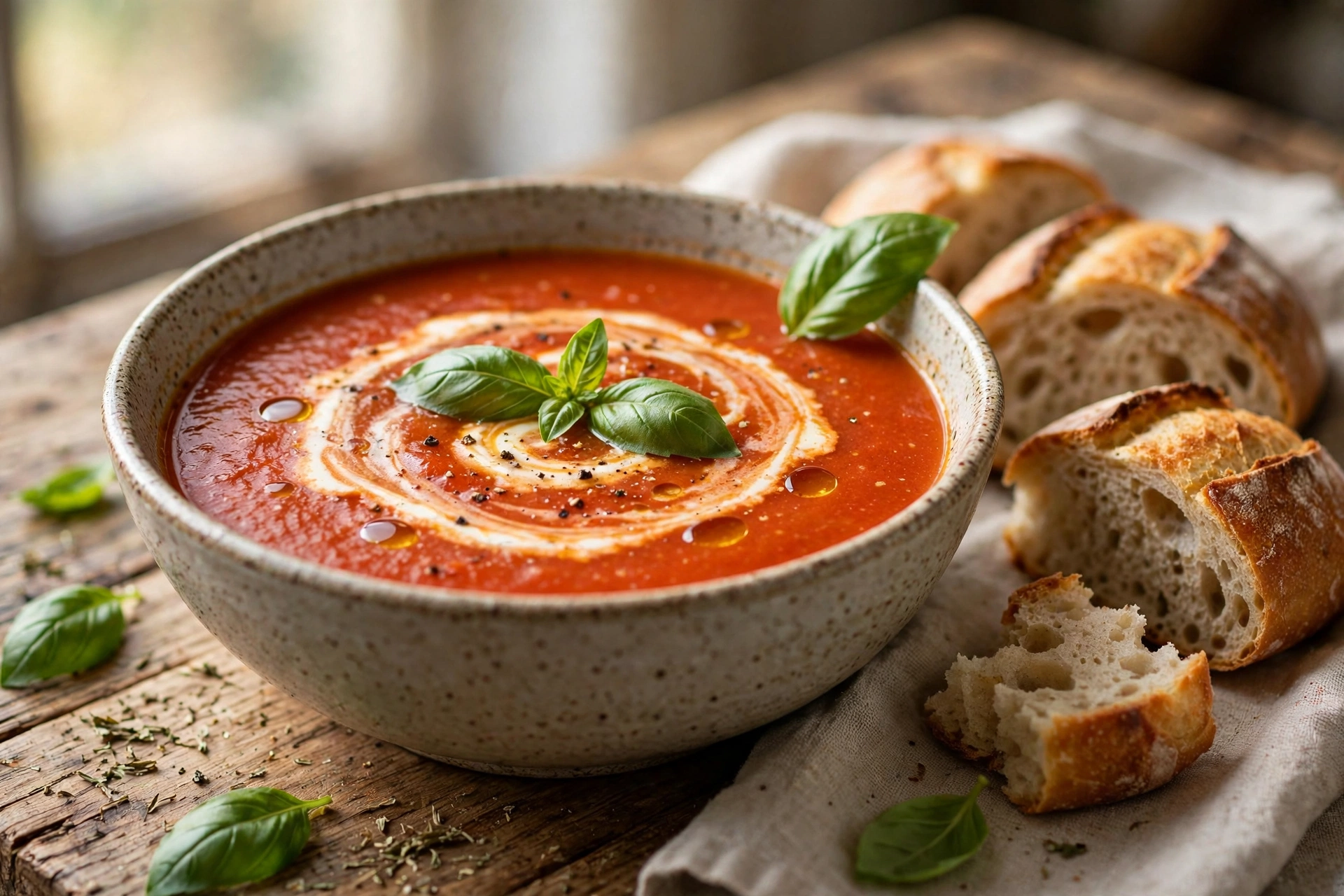
The best way to eat tomatoes depends on your goal. For lycopene, cooked tomatoes are better than raw ones, because heat breaks down the cell walls and makes lycopene easier to absorb. Tomato sauce, soup, and roasted tomatoes all give you more usable lycopene than a raw salad tomato.
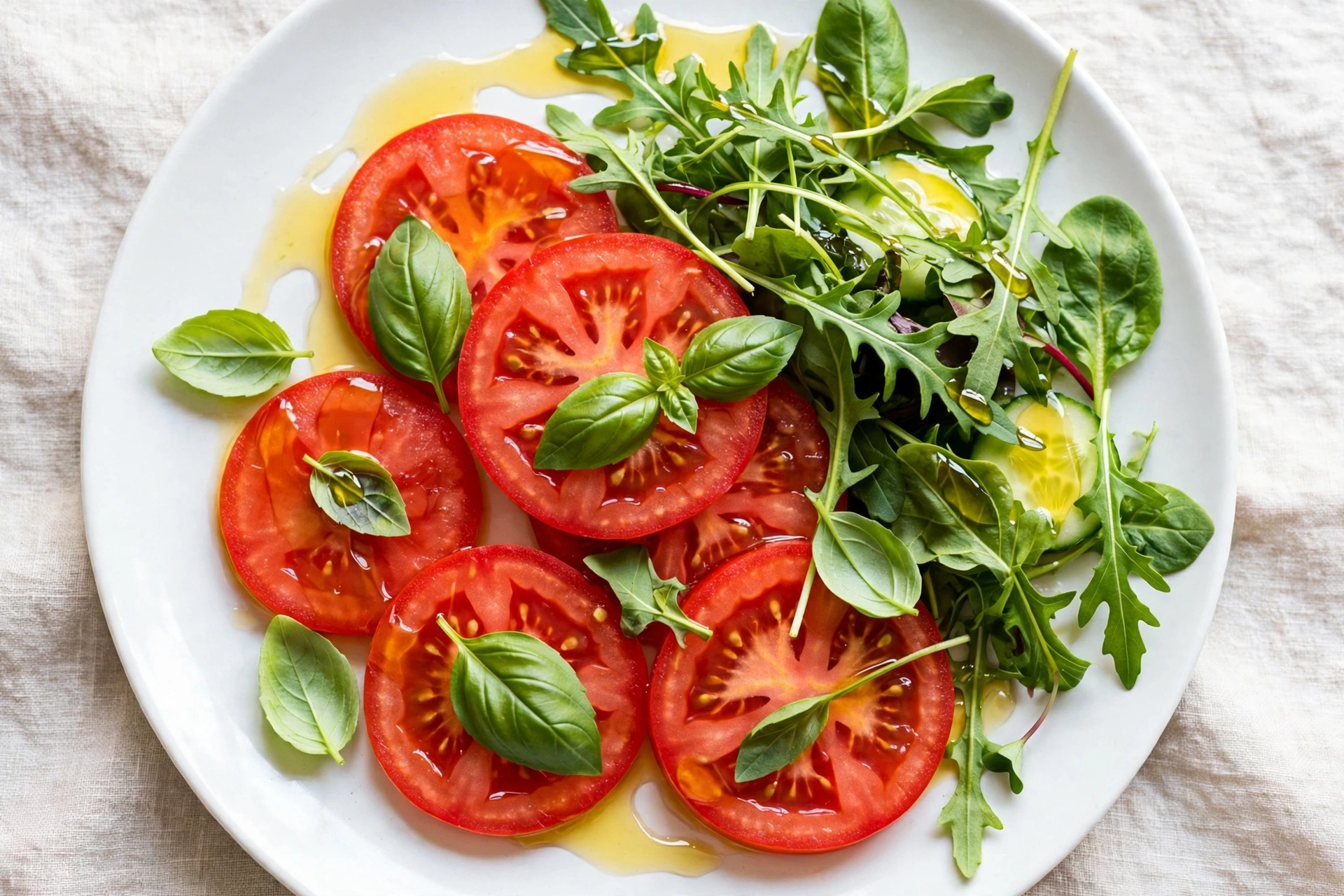
Adding a little healthy fat helps too. Lycopene is fat-soluble, which means your body absorbs it better when you eat it with fat. A tomato salad with Olive Oil Benefits (Why Extra Virgin Olive Oil Is So Healthy) is a classic for a reason, and it is one of the healthiest combinations in Mediterranean cooking.
For a simple, nutritious meal, try a tomato and cucumber salad with Cucumber Benefits for Health (Hydration, Skin, and Weight), or a bowl of tomato soup with a side of Garlic Benefits for Health (What Science Actually Says) bread. Cherry tomatoes make a great snack on their own, and sun-dried tomatoes add rich flavour to pasta, salads, and sandwiches.
When you shop, choose tomatoes that feel heavy for their size, smell sweet at the stem, and have smooth, firm skin with no soft spots. Store them at room temperature, not in the fridge, since cold dulls their flavour and texture. If you have too many, cook them into sauce and freeze it, and you will have the taste of summer ready for months.
Cautions
Tomatoes are safe for most people, but there are a few things to watch. The acid in tomatoes can bother people with acid reflux or heartburn, especially raw tomatoes and tomato juice on an empty stomach. If tomatoes give you discomfort, try eating them cooked or with other foods, and talk to your doctor about your triggers.
Some people are allergic to tomatoes, and the allergy is often linked to grass pollen allergy. If your mouth or lips itch after eating tomatoes, especially raw ones, talk to your doctor. Cooking tomatoes often reduces this reaction, but check with a professional first.
Tomatoes contain a small amount of a compound called tomatine in their leaves and unripe fruit, which is why you should not eat tomato leaves or very green tomatoes in large amounts. Ripe tomatoes are perfectly safe. And if you take blood-thinning medicine, note that tomatoes are generally safe in normal food amounts, but always mention your diet to your doctor.
FAQ
Are cooked tomatoes healthier than raw tomatoes?
For lycopene, yes. Cooking breaks down the cell walls and makes lycopene much easier for your body to absorb, so tomato sauce and soup give you more usable lycopene than raw tomatoes. Raw tomatoes give you more vitamin C, though, so the best choice is to eat both.
Can people with acid reflux eat tomatoes?
It depends. Tomatoes are acidic and can trigger heartburn in some people, especially raw tomatoes and juice on an empty stomach. Cooked tomatoes are often better tolerated, and eating them with other foods helps. If they bother you, talk to your doctor about your triggers.
Do tomatoes help with blood pressure?
They can help. Tomatoes give you potassium, which supports healthy blood pressure, and some small trials found that cooked tomatoes lowered blood pressure in people with high blood pressure. They work best as part of a diet that is low in salt and rich in vegetables.
How many tomatoes should I eat a day?
One to two medium tomatoes a day, or a cup of tomato sauce, is a good amount for most adults. That gives you lycopene, vitamin C, and potassium for very few calories. There is no strict upper limit, but variety across different vegetables is healthier than eating only one kind.
Are cherry tomatoes as healthy as large tomatoes?
Yes, cherry tomatoes are just as healthy, and they are often sweeter and richer in lycopene per gram than large tomatoes. They make a great snack on their own, and they are easy to add to salads, pasta, and lunchboxes.
Conclusion
Tomatoes are one of the most useful foods in any kitchen. They bring lycopene, vitamin C, potassium, and fibre to your plate, supporting your heart, skin, eyes, bones, and blood pressure, and they do it for very few calories and very little money.
Eat them raw in salads, cooked in sauces and soups, and always with a little olive oil to help your body absorb the lycopene. That small habit is one of the easiest wins in a healthy diet, and it tastes like summer in every bite.
Sources
Tomato — Wikipedia
Tomatoes — Harvard T.H. Chan School of Public Health