
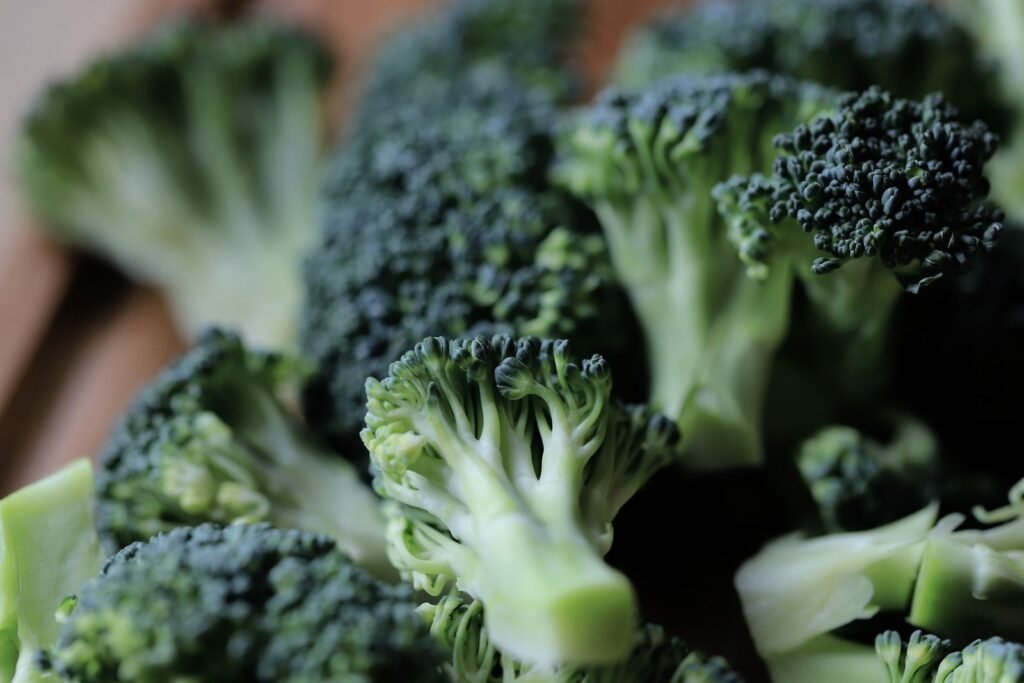

Broccoli has a reputation problem it never really earned. For a lot of people, it is the vegetable they were forced to finish as kids — boiled until it turned grey-green, served plain, and remembered with no fondness at all. Cooked that way, almost any vegetable would disappoint. Cooked well, broccoli is a completely different food: bright, slightly sweet, a little peppery, and genuinely satisfying.
It also happens to be one of the most nutrient-packed vegetables you can buy, and one of the cheapest. Broccoli belongs to the cruciferous family, the same group as cauliflower, cabbage, kale, and Brussels sprouts. These vegetables have been studied for decades because they contain a mix of fiber, vitamins, and plant compounds that few other foods match in a single serving.
This article takes an honest look at broccoli health benefits — what is in it, what those nutrients may actually do for you, how much makes sense to eat, and where the limits and cautions are. No miracle claims, no hype. Just a good vegetable, explained properly.
Quick Benefits at a Glance
If you want the short version first, here is what a regular serving of broccoli brings to your plate:
- Very rich in vitamin C — more per 100 grams than an orange, by weight
- High in vitamin K, which your body needs for normal blood clotting and bone health
- A good source of fiber for digestion and feeling full
- Loaded with folate, a B vitamin that matters for cell growth
- Contains sulforaphane, a plant compound researchers are actively studying
- Low in calories but filling, which helps with balanced eating
- Provides potassium, which plays a role in healthy blood pressure
- Versatile in the kitchen — it works raw, steamed, roasted, stir-fried, and in soups
The rest of this article unpacks each of these in plain language, so you know what is behind the bullet points.
What Is in Broccoli? The Nutrition Basics
Broccoli is mostly water, which is part of why it is so light in calories while still taking up real space on your plate and in your stomach. The values below are approximate standard values for raw broccoli per 100 grams — roughly a generous cup of chopped florets. Cooking changes the numbers slightly, but not dramatically.
- Calories: about 34
- Water: about 89%
- Protein: about 2.8 g
- Carbohydrates: about 6.6 g
- Fiber: about 2.6 g
- Natural sugars: about 1.7 g
- Fat: about 0.4 g
- Vitamin C: about 89 mg — over your entire daily need in many guidelines
- Vitamin K: about 102 mcg
- Folate (vitamin B9): about 63 mcg
- Potassium: about 316 mg
- Vitamin A: present in moderate amounts, mostly as beta-carotene
- Calcium: about 47 mg
- Iron: about 0.7 mg
Two things stand out here. First, the vitamin C content surprises most people. We tend to think of citrus fruit as the vitamin C food, but broccoli quietly beats oranges gram for gram. Second, broccoli gives you a useful amount of fiber and even a little protein for a vegetable, which helps explain why it feels more substantial than, say, cucumber or lettuce.
Beyond the vitamins and minerals, broccoli contains plant compounds called glucosinolates. When you chop or chew broccoli, these convert into other compounds, including sulforaphane. That name keeps coming up in nutrition research, and you will see why in the sections below.
Strong Support for Your Immune System
Vitamin C is one of the nutrients your immune system relies on to work normally. It supports the production and function of white blood cells, the cells that respond when your body meets an infection, and it also acts as an antioxidant — meaning it helps protect your cells from damage caused by unstable molecules called free radicals.
A single cup of broccoli gets you a large share of your daily vitamin C, which makes it one of the simplest ways to keep your intake up through the winter months or any time of year. This does not mean broccoli will stop you from catching a cold — no food can promise that. It does mean you are giving your body one of the basic building blocks it needs, from a whole food that also brings fiber and other nutrients along for the ride.
A practical note: vitamin C is sensitive to heat and water. Boiling broccoli for a long time in lots of water lets some of the vitamin C leak away. Steaming, microwaving with a little water, or quick stir-frying keeps more of it in the food you actually eat.
Good News for Your Heart
Heart health is influenced by many things — activity, smoking, genetics, overall diet — but the foods you eat regularly do play a real part. Broccoli fits comfortably into a heart-friendly pattern of eating for a few reasons.
Its fiber, particularly the soluble kind, may help support healthy cholesterol levels as part of an overall balanced diet. Fiber can bind some cholesterol in the digestive system and carry it out of the body. Broccoli also provides potassium, a mineral linked to helping the body balance sodium and maintain blood pressure in a healthy range. Most of us get more sodium than we need and less potassium than we should, so potassium-rich vegetables are a practical step in the right direction.
There is also early research interest in sulforaphane and blood vessel function. Some small studies suggest it may help support the health of blood vessel linings. That evidence is still developing and should not be overstated, but it adds to the picture of broccoli as a food that does a lot of quiet, useful work when it shows up on your plate regularly.
If you are building more meals around vegetables in general, you may also enjoy reading about the many ways spinach supports your health — it pairs well with broccoli in salads, eggs, and pasta dishes.
It May Help Your Body Handle Everyday Oxidative Stress
Every day, normal processes in your body — breathing, exercising, digesting food — produce free radicals. In small amounts they are manageable. Over time, an excess is linked to cell damage, and this is where antioxidant-rich foods come in.
Broccoli is rich in several antioxidants: vitamin C, beta-carotene, lutein, and zeaxanthin, plus its signature compound sulforaphane. Sulforaphane is interesting because it appears to switch on some of the body’s own defense systems — enzymes that help neutralize and clear out harmful compounds. Researchers sometimes describe this as supporting the body’s natural detoxification pathways, which is a normal, ongoing process your liver handles every day, not something that needs a special cleanse or juice fast.
You will sometimes see broccoli marketed with big claims about cancer. It is true that cruciferous vegetables are studied in this area, and people who eat more vegetables in general tend to have lower rates of several diseases in population studies. But that is very different from saying broccoli prevents or treats cancer — it does not, and no single food does. The honest takeaway is simpler: broccoli is part of a vegetable-rich way of eating that is consistently linked to better long-term health.

Friendly to Your Gut and Digestion
Fiber is broccoli’s quiet headline act. The fiber in broccoli helps food move through your digestive system at a healthy pace, adds bulk to stool, and can make it easier to stay regular. Many adults fall short of the recommended daily fiber intake, so a fiber-rich vegetable at lunch or dinner genuinely moves the needle.
Fiber also feeds the friendly bacteria living in your gut. When those bacteria ferment fiber, they produce compounds that are believed to support the health of the gut lining. A more diverse, well-fed gut microbiome — the community of microbes in your digestive tract — is linked in research to better digestion and even to aspects of immune health, though this science is still young.
One honest warning belongs here: broccoli can cause gas and bloating in some people, especially if you suddenly eat a lot of it or eat it raw in large amounts. It contains a sugar called raffinose that gut bacteria ferment, and gas is a by-product. Cooking broccoli well and building up your portion gradually usually settles this down.
Support for Healthy Bones
Broccoli contains two nutrients your bones care about: calcium and vitamin K. Calcium is the main mineral in bone, and while dairy foods are the best-known source, green vegetables contribute too — useful if you do not eat much dairy. Vitamin K helps the body use calcium properly and is involved in making proteins that keep bone structure strong.
There is also vitamin C in the mix, which your body needs to make collagen. Collagen is not just about skin; it forms part of the framework inside bones as well. None of this makes broccoli a substitute for weight-bearing exercise or medical care for bone conditions, but as part of a varied diet, it supports the basics your skeleton depends on.
Kind to Your Eyes
Tucked inside broccoli are lutein and zeaxanthin, two pigments from the carotenoid family. These compounds collect in the retina at the back of the eye, where they are thought to help filter harsh blue light and protect eye tissue from oxidative damage. Diets rich in these pigments are linked in studies to better long-term eye health, particularly as we age.
Broccoli also provides beta-carotene, which your body converts into vitamin A as needed. Vitamin A is essential for normal vision, especially in dim light. If you are already eating carrots, sweet potatoes, and leafy greens, broccoli simply adds another reliable source of these eye-friendly compounds to the rotation.
A Helpful Food for Balanced Eating and Weight
Broccoli is a smart food if you are watching your weight, for simple, unglamorous reasons. It is low in calories — about 34 per 100 grams — but high in water and fiber, so a generous portion fills your plate and your stomach without using up much of your day’s energy budget. Foods like that make it easier to feel satisfied at meals, which is a big part of sticking with any eating pattern.
This is not a promise that broccoli melts fat. It does not. What it does is make balanced meals easier: half a plate of vegetables like broccoli leaves less room for calorie-dense extras, while still giving you a full, enjoyable meal. If you are keeping an eye on portions and energy intake, our calorie calculator can help you estimate your daily needs — and broccoli is the kind of food that helps you stay comfortably within them.
Pairing matters too. Broccoli with a source of protein — chicken, eggs, beans, lentils, or fish — and a little healthy fat like olive oil makes a meal that keeps you full for hours, not minutes.
Skin and Everyday Cell Health
Your skin is constantly renewing itself, and it uses the same nutrients as the rest of your body. Vitamin C supports collagen production, and collagen is what gives skin much of its firmness and structure. Antioxidants in broccoli, including vitamin C and sulforaphane, may help protect skin cells from some of the everyday damage caused by sun exposure and pollution — though sunscreen and shade remain far more important than any food.
Many people also combine broccoli with other colorful, plant-rich foods for general wellness. If you enjoy warm spices, you might like reading about the traditional and modern uses of turmeric, another kitchen staple with a long history.

How to Eat Broccoli (and Actually Enjoy It)
The best way to eat broccoli is the way you will repeat. Here are forms and ideas that work in real kitchens:
Steamed: The classic healthy option. Steam for about 4–5 minutes until bright green and just tender. Finish with a squeeze of lemon, a drizzle of olive oil, and a pinch of salt.
Roasted: Toss florets in oil, salt, and garlic, then roast in a hot oven until the edges char slightly. Roasting brings out a nutty sweetness that wins over many broccoli skeptics.
Stir-fried: Quick cooking in a hot pan with garlic, ginger, and a splash of soy sauce keeps the crunch and the nutrients. Add it to noodles, rice bowls, or tofu dishes.
Raw: Small florets in salads or with dips are fine for most people and keep all the vitamin C. Go easy on portion size if raw broccoli bloats you.
Soups and smoothies: Blended broccoli soup with potato, onion, and a little cheese is comforting and filling. A handful of raw florets also disappears nicely into a fruit smoothie.
Frozen counts too. Frozen broccoli is picked and frozen quickly, so it keeps most of its nutrients, costs less, and is there whenever you need it. It is softer after cooking, so it suits soups, curries, and pasta bakes best.
A small cooking tip for sulforaphane: chopping broccoli and letting it sit for about 30–40 minutes before cooking gives its enzymes time to form sulforaphane before heat slows them down. Adding a little mustard seed powder to cooked broccoli is another trick some cooks use, since mustard contains a similar enzyme.
How Much Broccoli Is Sensible Each Day?
For most adults, a serving of about 80–100 grams — roughly one cup of chopped broccoli — is a perfectly sensible portion, and eating it several times a week fits easily into general guidance to eat a variety of vegetables daily. There is no strict upper limit for healthy people eating normal food portions.
More is not automatically better, though. Very large amounts every day — think multiple big servings of raw broccoli daily for weeks — can be hard on digestion and, because of the goitrogen compounds discussed below, may not be wise for people with thyroid concerns. Variety is the real goal: broccoli a few times a week, alongside other vegetables in different colors, covers your bases far better than any single superfood eaten to excess.
Side Effects and Who Should Be Careful
Broccoli is safe for the vast majority of people, but a few honest cautions are worth knowing:
- Gas and bloating: As mentioned above, broccoli’s fiber and raffinose can cause wind and discomfort, especially raw or in large portions. Cook it, chew well, and increase portions gradually.
- Blood-thinning medication: Broccoli is high in vitamin K, which affects blood clotting. If you take warfarin or a similar medicine, you do not need to avoid broccoli — but you should keep your vitamin K intake fairly consistent and talk to your doctor before making big changes to how much you eat.
- Thyroid conditions: Broccoli contains goitrogens, natural compounds that can interfere with iodine uptake by the thyroid when eaten in very large amounts, particularly raw. Normal cooked portions are considered fine for most people, but if you have a thyroid condition, mention your cruciferous vegetable intake to your doctor and favor cooked over large raw servings.
- Allergy: A true broccoli allergy is uncommon but possible, as with any food. Stop eating it and seek advice if you notice itching, swelling, or breathing difficulty.
- Kidney considerations: Broccoli is moderate in potassium and contains small amounts of oxalates. Most people need not worry, but if you are on a potassium-restricted diet or have a history of certain kidney stones, follow your clinician’s guidance on portions.
- Wash it well: Like all fresh produce, broccoli can carry soil, bacteria, or pesticide residue on its surface. Rinse it thoroughly under running water before eating or cooking.
This article is general information about a common food, not medical advice. If you have a medical condition or take regular medication, check with your doctor or a registered dietitian about your own diet.
Frequently Asked Questions
Is it better to eat broccoli raw or cooked?
Both are fine, and each has a trade-off. Raw broccoli keeps the most vitamin C and sulforaphane potential, but it is harder to digest and more likely to cause gas. Light cooking — steaming in particular — makes it gentler on the stomach while keeping most nutrients. Eating it both ways across the week is a good balance.
How many calories are in a cup of broccoli?
A cup of chopped raw broccoli (about 90 grams) has roughly 30 calories, with about 2.5 grams of fiber and just over 2 grams of protein. It is one of the lowest-calorie ways to fill a plate.
Can I eat broccoli every day?
For most healthy adults, yes — a normal serving daily is fine and can be part of a healthy routine. Just keep the rest of your diet varied, and if you take blood-thinning medication or have a thyroid condition, keep portions consistent and check with your doctor.
Does broccoli help you lose weight?
Broccoli does not burn fat or boost metabolism in any special way. What it does is help you feel full on very few calories, thanks to its water and fiber, which can make it easier to eat balanced portions overall. That supporting role is genuinely useful, even if it is not magic.
Is frozen broccoli as healthy as fresh?
Very close, yes. Frozen broccoli is usually frozen soon after harvesting, which locks in most of its vitamins. Fresh broccoli that has sat in a fridge for a week may actually lose some vitamin C over time, so frozen is a perfectly respectable — and budget-friendly — choice.
Why does broccoli give me gas?
Broccoli contains raffinose, a sugar our bodies cannot fully break down in the small intestine. Gut bacteria ferment it further down, producing gas. Cooking broccoli thoroughly, eating smaller portions, and building up gradually usually reduces the problem.
How should I store broccoli to keep it fresh?
Keep unwashed broccoli in the fridge, loosely wrapped or in the crisper drawer, and use it within about 3–5 days. Wash it just before use. If the florets turn yellow or develop a strong smell, it is past its best — the texture and nutrients decline as it ages.
Is broccoli safe during pregnancy?
Yes, broccoli is generally considered a good food in pregnancy. Its folate is valuable because folate supports the baby’s early development, and its fiber can help with the constipation that is common in pregnancy. Just wash it well, as with all fresh produce, and eat normal portions.
Conclusion
Broccoli does not need exaggeration to earn its place. It is affordable, widely available, easy to cook, and genuinely rich in vitamin C, vitamin K, folate, fiber, and interesting plant compounds like sulforaphane. Eaten regularly as part of a varied diet, it supports your immune system, your heart, your gut, your bones, and your eyes in modest, real ways.
If your memories of broccoli come from a childhood plate of the boiled, grey version, give the roasted or stir-fried version one more chance. A hot oven, a little garlic, and five honest minutes may be all it takes to turn a duty vegetable into one you actually look forward to.



Pingback: Mushrooms Health Benefits: Immunity, Vitamin D and More
Pingback: Spinach Benefits for Health (Nutrition, Uses, and Cautions)
Pingback: Onion Benefits for Health (Immunity, Heart, and Bones)
Pingback: Cauliflower Benefits for Health (Fibre, Brain, and Weight)