


Kiwi looks unassuming from the outside — a small, brown, fuzzy fruit about the size of a large egg. Slice it open, though, and you get one of the most vivid sights in the fruit world: bright green flesh dotted with tiny black seeds arranged like sun rays. The taste is just as striking, a balance of sweet and tart that some people describe as a mix of strawberry, melon, and citrus.
This little fruit, originally from China and made famous by growers in New Zealand, has quietly earned a strong reputation among nutrition-minded eaters. People reach for it for its exceptional vitamin C content, its fibre, and its reputation for being gentle on digestion. But how much of that reputation is earned, and how much is exaggeration?
In this article we’ll look at the real kiwi fruit benefits honestly: what one fruit actually gives you nutritionally, the ten best-supported reasons to eat kiwi regularly, the smartest ways to enjoy it, and who should be a little careful with it. No miracle promises — just a genuinely nutritious fruit described as it is.

Quick Benefits at a Glance
- Exceptionally high in vitamin C — one fruit covers most of your daily need
- Natural actinidin enzyme that may help your body digest protein more easily
- Good source of fibre for gut health and more regular bowel habits
- Provides potassium, vitamin K, vitamin E, and folate in a small, low-calorie package
- Contains lutein and zeaxanthin, plant compounds linked to eye health
- Hydrating and naturally sweet, so it satisfies a sweet tooth without much added sugar
- Available nearly year-round, stores well in the fridge, and travels easily as a snack
What Is Actually in a Kiwi? Kiwi Nutrition
Kiwi is nutrient-dense, meaning it packs a lot of nutrition into relatively few calories. The values below are approximate standard values per 100 grams of raw green kiwi flesh — roughly one large kiwi, based on typical USDA-style data.
- Calories: about 61 kcal
- Water: about 83 g
- Protein: about 1.1 g
- Carbohydrates: about 15 g
- Of which natural sugars: about 9 g
- Fibre: about 3 g
- Fat: about 0.5 g
- Vitamin C: about 93 mg (over 100% of the daily value for many adults)
- Vitamin K: about 40 micrograms
- Vitamin E: about 1.5 mg
- Folate: about 25 micrograms
- Potassium: about 312 mg
- Calcium: about 34 mg
- Magnesium: about 17 mg
A couple of things stand out. First, the vitamin C content is remarkable — gram for gram, kiwi contains more vitamin C than an orange. Second, the fibre-to-sugar balance is favourable: you get real sweetness, but the fibre slows down how quickly that sugar hits your system. Golden (yellow) kiwis tend to be a little sweeter and slightly higher in vitamin C, while green kiwis are tarter and slightly higher in fibre and the enzyme actinidin. Both are excellent choices.
1. Outstanding Vitamin C for Immune Support
Vitamin C is probably the single best-known of all kiwi fruit benefits, and it is the one on the firmest ground. This vitamin plays a normal role in immune function, helps your body make collagen (the protein that holds skin, cartilage, and blood vessels together), and protects cells from everyday oxidative stress — the slow wear caused by unstable molecules called free radicals.
Because vitamin C is water-soluble and your body doesn’t store much of it, you need a steady supply from food. One or two kiwis a day covers that basis for most people. Eating kiwi won’t guarantee you never catch a cold — no food can promise that — but regularly meeting your vitamin C needs is one sensible, well-supported part of looking after your immune system.
2. A Digestion-Friendly Enzyme Called Actinidin
Kiwi contains a natural enzyme called actinidin, which breaks down protein. It’s similar in spirit to bromelain in pineapple and papain in papaya, another tropical fruit known for digestive enzymes. This is one reason kiwi is traditionally eaten after heavy, protein-rich meals, and why it is sometimes used in marinades to tenderise meat.
For many people, eating kiwi as part of a meal simply feels comfortable — less of that heavy, sluggish feeling after eating. Research into actinidin and digestion is promising though still developing, so it’s fair to say kiwi may help support comfortable digestion rather than claiming it treats any digestive condition.
3. Fibre That Supports Gut Health and Regularity
Each kiwi gives you about 2 grams of fibre, and two kiwis give you a meaningful chunk of the roughly 25–30 grams most adults should aim for daily. Kiwi fibre comes in both soluble and insoluble forms. The soluble part feeds beneficial gut bacteria and can help soften stool; the insoluble part adds bulk and helps food move through your system at a steady pace.
Kiwi has been studied specifically for constipation, and eating two kiwis a day is a common, gentle dietary strategy many people find helpful for staying regular. Its seeds and skin contribute too — yes, the fuzzy skin is edible, and eating it (well washed) noticeably increases the fibre. If regularity is your goal, kiwi combined with adequate water through the day is a reasonable, food-first approach.
4. Heart-Friendly Potassium and More
Potassium helps your body balance fluids and works alongside sodium in regulating blood pressure. Many adults get less potassium than recommended, and a kiwi or two a day is an easy contribution at about 215 mg per fruit. Kiwi is also naturally very low in sodium, which fits well into heart-conscious eating patterns.
Beyond potassium, the fruit provides vitamin K, folate, and antioxidant compounds such as vitamin E and polyphenols. Diets rich in fruits and vegetables in general are associated with better cardiovascular health, and kiwi fits comfortably into that pattern. It is not a treatment for high blood pressure or heart disease, but as a regular habit it pulls in the right direction.
5. Vitamin K and Folate for Blood and Cell Health
Vitamin K is essential for normal blood clotting and also plays a role in bone health. A single kiwi supplies a useful share of your daily vitamin K, which is helpful because this vitamin is easy to overlook if you don’t eat many leafy greens.
Folate, a B vitamin, supports the making of new cells and is especially important before and during early pregnancy for healthy foetal development. Kiwi isn’t the richest folate source in the produce aisle, but as part of a varied diet it contributes. If you’re pregnant or planning a pregnancy, kiwi can be part of your folate intake — just remember it complements, rather than replaces, the folic acid supplement your clinician recommends.
6. Compounds That Support Your Eyes
Kiwi contains lutein and zeaxanthin, two yellow-orange plant pigments that collect in the retina at the back of the eye, where they help filter harsh blue light. Diets rich in these compounds are linked in studies to better long-term eye health, particularly for the macula, the small central area of the retina responsible for sharp vision.
You’d normally associate lutein with leafy greens and egg yolks, so kiwi is a pleasant extra source — especially for people who find green vegetables a hard sell. Pairing kiwi with a little healthy fat, such as in a smoothie with yoghurt, may help absorption, since these compounds are fat-soluble.
7. Sleep Quality: A Modest but Interesting Finding
One of the more talked-about kiwi fruit benefits is sleep. In a small, often-cited study, adults who ate two kiwis about an hour before bed for several weeks reported falling asleep a bit faster and sleeping somewhat longer. Kiwi contains small amounts of serotonin-related compounds and antioxidants, which researchers think might play a role, and its folate content is also relevant since low folate has been associated with poor sleep.
This is preliminary evidence from small studies, not proof. But as bedtime habits go, eating two kiwis in the evening is harmless for most people, pleasant, and far gentler than many sleep aids. Think of it as a maybe-helpful ritual rather than a treatment for insomnia — persistent sleep problems deserve a conversation with your doctor.
8. Skin Support from Vitamin C and Antioxidants
Collagen production depends on vitamin C, and collagen is what keeps skin firm and helps wounds heal normally. Eating enough vitamin C-rich food — kiwi included — supports that everyday maintenance work your body is always doing beneath the surface. The vitamin E and other antioxidants in kiwi add to the picture by helping protect skin cells from oxidative stress from sun and pollution.
To be clear: eating kiwi will not erase wrinkles or replace sunscreen. But people who eat plenty of vitamin C-rich fruits tend to have skin in good condition, and kiwi is one of the most efficient vitamin C sources you can add to a breakfast or smoothie.
9. A Smart, Satisfying Choice for Balanced Eating
A kiwi has only about 42 calories per fruit, yet between its fibre, water content, and intense flavour, it feels satisfying. That combination makes it an easy swap for higher-calorie snacks and desserts. Its glycaemic index is low to moderate — roughly in the 30–52 range depending on ripeness and variety — so its natural sugars are released relatively gradually, especially when eaten with the skin or alongside protein or fat.
If you are watching your weight, small sustainable habits like a fruit-based snack matter more than any single “superfood.” If you’d like to see where you stand, the site’s BMI calculator can give you a quick general reference point. Kiwi simply makes the healthy choice the tasty one, which is why it earns a place on a list of genuinely useful everyday fruits.
10. Easy on Blood Sugar and Full of Water
Kiwi is about 83% water, making it a quietly hydrating snack — useful in warm weather or after exercise. Combined with its fibre and modest sugar load, it’s a fruit that people managing their blood sugar often include in modest portions, ideally as part of a meal or paired with something like Greek yoghurt or a handful of nuts to slow digestion further.
That said, “often included” is not the same as “unlimited.” If you have diabetes, treat kiwi like any fruit: count it within your overall carbohydrate plan and check with your care team if you’re unsure how it fits.

How to Eat Kiwi and Add It to Your Day
The simplest method needs no recipe at all: wash the fruit, cut it in half, and scoop the flesh out with a spoon. It’s nature’s own little cup. A few more ideas:
- Eat the skin. If the fuzz bothers you, rub it gently under running water or choose golden kiwi, which has smoother, thinner skin. Eating the skin adds fibre and nutrients.
- Breakfast bowls: slice over yoghurt, oats, or muesli for colour and a tart contrast.
- Smoothies: blend with banana, spinach, and a splash of milk or coconut water. Kiwi’s tartness brightens green smoothies nicely.
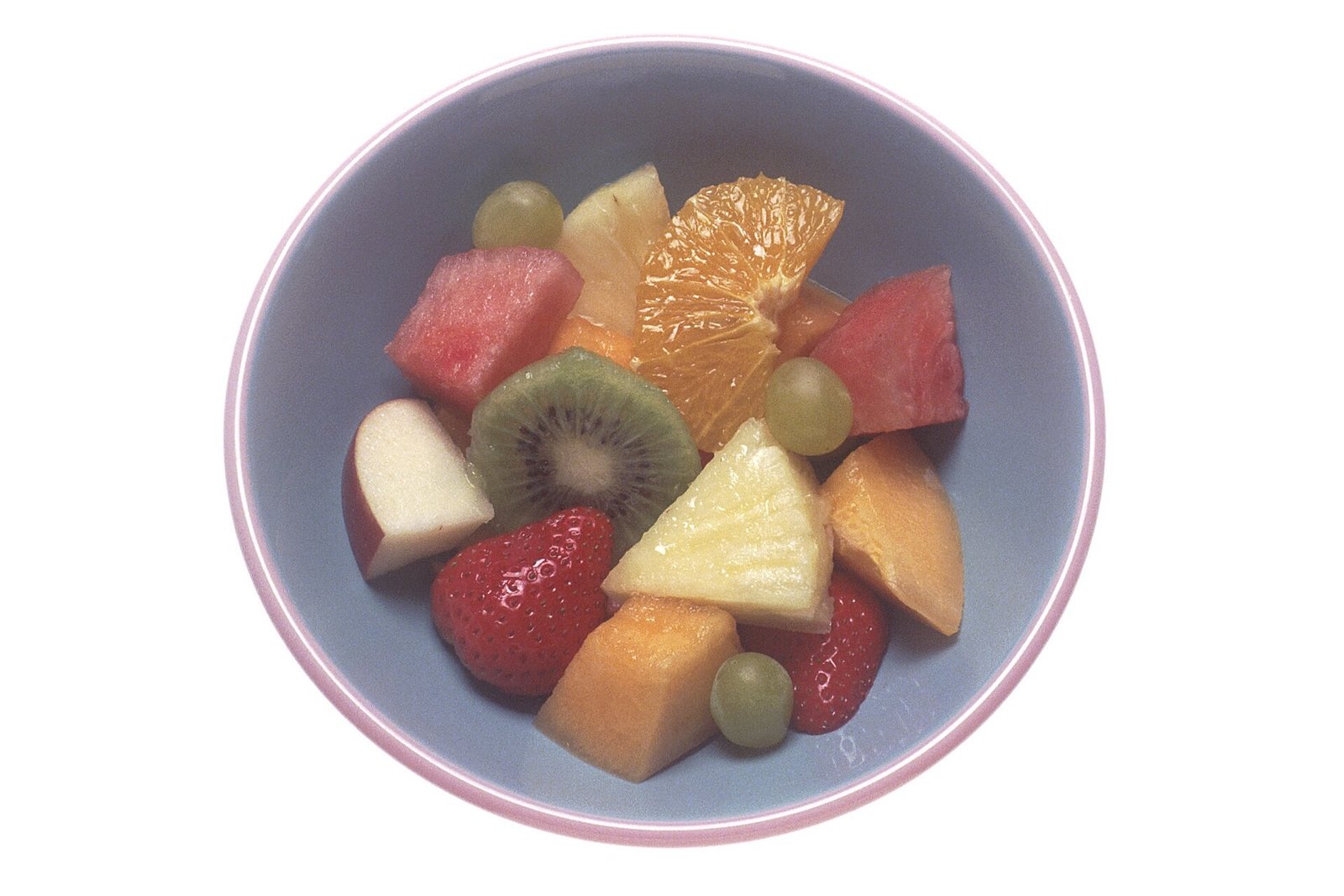
- Fruit salads and salsa: diced kiwi with mango, strawberries, and mint makes a fresh salad; with red onion, lime, and a little chilli it becomes a salsa that suits grilled fish or chicken.
- Desserts: layer over pavlova, tarts, or cheesecake — a classic for a reason.
- Drinks: muddle into sparkling water or add to a morning glass of lemon water for a vitamin C-rich start to the day.
Two practical cautions in the kitchen: actinidin breaks down gelatin, so raw kiwi will stop jelly or panna cotta from setting (briefly heating the fruit first deactivates the enzyme). The same enzyme can curdle dairy if kiwi sits in milk-based mixtures for a long time, so add it to smoothies and yoghurt bowls shortly before eating.
How Much Kiwi Per Day Is Sensible?
For most healthy adults, one to two kiwis a day is a comfortable, sensible amount — enough to cover your vitamin C needs and give you a few grams of fibre without overdoing the natural sugars or the fruit acids. The digestion and sleep studies mentioned above typically used two kiwis daily, which is a reasonable guide for what “regularly” looks like in practice.
More isn’t automatically better. Eating large amounts — say, five or six a day, every day — can irritate the mouth (the acids and actinidin can make your tongue tingle or feel sore), loosen stools, and add unnecessary sugar. Variety across the week, with kiwi as one fruit among several, is the pattern nutritionists generally recommend.
Side Effects and Who Should Be Careful
Kiwi is safe for most people, but it has real cautions worth knowing:
- Allergy: Kiwi is a recognised allergen, and reactions seem to have become more common as the fruit has grown in popularity. Symptoms range from mouth tingling and itching to, rarely, more serious reactions. People with latex allergy or allergies to avocado, banana, or birch pollen may be more likely to react to kiwi (cross-reactivity). If kiwi makes your mouth itch or swell, stop eating it and talk to a doctor — don’t just push through.
- Mouth irritation: Even without an allergy, eating several kiwis can leave a raw, tingly tongue because of the actinidin and natural acids. Rinsing your mouth and spacing them out helps.
- Kidney concerns: Kiwi contains moderate amounts of oxalates and is fairly rich in potassium. People with kidney disease, a history of calcium-oxalate kidney stones, or those on potassium-restricted diets should check with their clinician about portions.
- Blood-thinning medication: Kiwi’s vitamin K content is modest compared with leafy greens, but if you take warfarin or a similar anticoagulant, keep your vitamin K intake roughly consistent and mention any big dietary changes to your care team.
- Stomach sensitivity: The acidity can bother some people with reflux if eaten on an empty stomach; having it with food usually solves this.
This article is general information about a common food, not medical advice. If you have a medical condition or take regular medication, check with your own healthcare professional about your diet.
Frequently Asked Questions
Is it okay to eat kiwi every day?
Yes, for most healthy adults, one to two kiwis a day is perfectly fine and a good habit. That amount covers your vitamin C needs, adds fibre, and fits easily into a balanced diet. Just watch for mouth irritation or loose stools, which are signs you’re overdoing it.
Should I eat the skin of a kiwi?
You can — it’s edible and adds fibre, vitamin E, and folate. Wash the fruit well and rub off some of the fuzz, or pick golden kiwis, which have smoother skin. If the texture puts you off, peeled kiwi is still highly nutritious, so there’s no need to force it.
Is green or golden kiwi healthier?
Both are excellent. Golden kiwis are sweeter, smoother-skinned, and often slightly higher in vitamin C. Green kiwis are a bit tarter, contain more actinidin, and usually cost less. The healthiest choice is whichever one you’ll actually eat regularly.
Does kiwi help with constipation?
It can help as part of your routine. Kiwi provides fibre plus water, and eating two a day is a strategy studied for supporting regularity. It works best alongside enough fluids and an overall fibre-rich diet, rather than as a one-off fix.
When is the best time to eat kiwi?
Any time that suits you. Many people enjoy it at breakfast for the vitamin C, after protein-rich meals for the actinidin, or in the evening, since small studies explored two kiwis before bed for sleep. Consistency matters more than timing.
How do I know when a kiwi is ripe, and how should I store it?
A ripe kiwi gives slightly under gentle pressure, like a ripe avocado. Firm kiwis ripen on the counter in a few days — faster in a paper bag with a banana. Once ripe, store them in the fridge, where they’ll keep for about one to two weeks.
Can people with diabetes eat kiwi?
Generally yes, in sensible portions. Kiwi has a low-to-moderate glycaemic index and modest carbohydrate content per fruit, especially when eaten whole and paired with protein or fat. Count it within your meal plan and confirm with your care team if you’re unsure.
Conclusion
Kiwi earns its reputation the honest way: it is genuinely rich in vitamin C, provides useful fibre and a digestion-friendly enzyme, and delivers potassium, vitamin K, folate, and eye-supporting compounds in a small, affordable, widely available fruit. The kiwi fruit benefits described here won’t transform your health on their own, but one or two kiwis a day is exactly the kind of simple, enjoyable habit that adds up over time. Keep a few in the fruit bowl, try eating one with the skin on, and let this small green fruit quietly do its good work.



Pingback: Papaya Benefits for Health (Nutrition, Uses, and Side Effects)