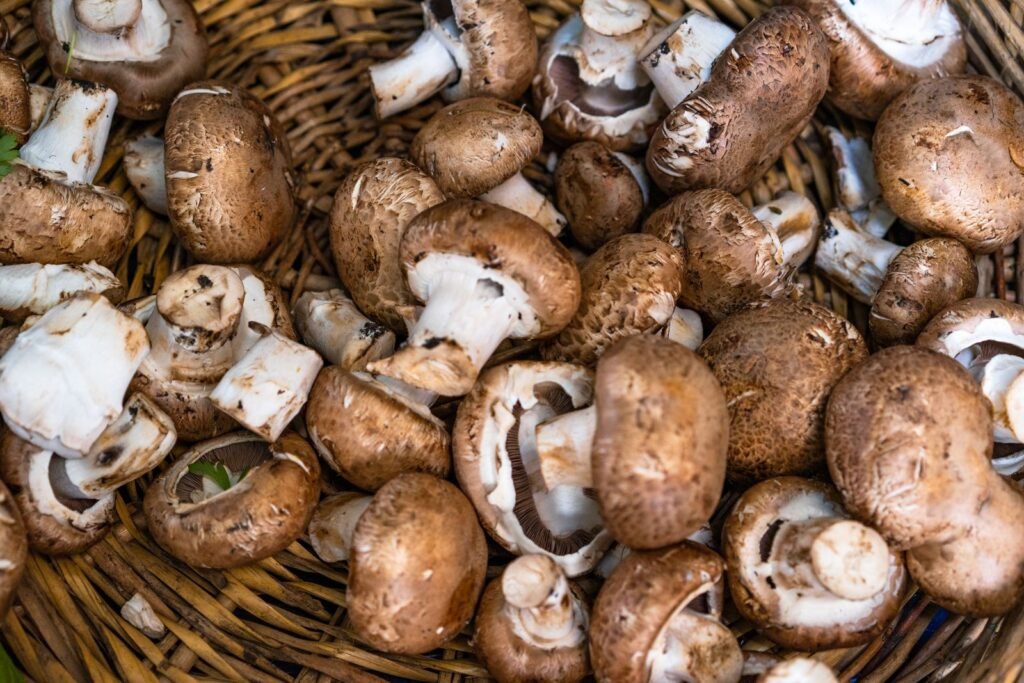

Mushrooms are one of those foods that quietly do a lot of work in your kitchen. They are not quite a vegetable in the botanical sense — they are fungi — but in cooking and nutrition they sit right alongside vegetables on your plate. They add a deep, savory flavor often called umami, a satisfying, almost meaty texture, and very few calories, which is why cooks love them in everything from a quick breakfast omelet to a slow Sunday sauce.
People are also paying more attention to mushrooms health benefits, and for good reason. Depending on the type and how they are grown, mushrooms can provide B vitamins, selenium, potassium, and antioxidants that are hard to find in many other plant foods. Some mushrooms are also one of the few non-animal foods that can be a meaningful source of vitamin D, especially when they have been exposed to sunlight or ultraviolet light.
This article will walk through what those benefits actually look like in plain, honest terms. We will cover the nutrition, the areas where mushrooms may help support your health, how to buy, cook, and eat them, how much makes sense, and who should be a little more careful. No miracle claims, no hype — just what mushrooms can realistically add to a balanced diet.
Quick Benefits at a Glance
If you are in a hurry, here is the short version of why mushrooms earn a regular spot in many healthy kitchens:
- Very low in calories but rich in savory flavor, so meals feel satisfying without becoming heavy
- A natural source of B vitamins that help your body turn food into energy
- Provide selenium, copper, and potassium — minerals many people do not get enough of
- Contain beta-glucans and other compounds that may help support a healthy immune system
- One of the few non-animal foods that can provide vitamin D, especially UV-exposed varieties
- Supply unique antioxidants such as ergothioneine and glutathione
- Easy to swap in for part of the meat in many dishes, lowering calories and saturated fat
- Versatile, affordable, and available fresh, frozen, and dried all year round
Those points are a starting point. The details below explain what is behind each one, and where the limits are.
What Is Actually in Mushrooms? The Nutrition Basics
Mushrooms are mostly water — about 90 percent — which explains their low calorie count. The rest is a useful mix of protein, fiber, vitamins, and minerals for such a small, light food. Values vary a bit by type. White button, cremini, and portobello mushrooms are nutritionally similar, while shiitake and maitake have slightly more fiber and some distinct compounds. The figures below are approximate standard values for raw white mushrooms per 100 grams, which is roughly 1 1/3 cups sliced, or about five medium mushrooms.
- Calories: about 22
- Protein: about 3.1 g
- Carbohydrates: about 3.3 g
- Fiber: about 1 g
- Fat: about 0.3 g
- Potassium: about 318 mg
- Phosphorus: about 86 mg
- Selenium: about 9 mcg (roughly 17 percent of the daily value)
- Copper: about 0.3 mg
- Riboflavin (vitamin B2): about 0.4 mg
- Niacin (vitamin B3): about 3.6 mg
- Pantothenic acid (vitamin B5): about 1.5 mg
- Vitamin D: usually low in standard indoor-grown mushrooms, but much higher in mushrooms exposed to sunlight or UV light — check the label, as some packs provide 50 percent or more of the daily value per serving
- Sodium: very low, about 5 mg naturally
A few things stand out. First, mushrooms give you a surprising amount of protein and B vitamins for 22 calories. Second, they are one of the better everyday sources of selenium, a mineral your body uses for antioxidant protection and thyroid function. Third, that vitamin D line really matters and really varies. A mushroom grown in the dark will have very little vitamin D, while the same type left in sunlight or treated with UV light by the grower can become a genuinely useful source. If vitamin D is one of your reasons for eating them, the label is worth reading.
Cooking changes the numbers slightly. Mushrooms lose water in the pan, so a cooked cup looks smaller but concentrates the nutrients a bit. Cooking also makes them easier to digest for most people and improves the availability of some nutrients.
How Mushrooms May Help Support Your Immune System
Immune support is the benefit most people associate with mushrooms, and it is also the one that needs the most careful wording. Mushrooms do not prevent colds, and they certainly do not cure infections. What they do contain are nutrients and compounds that play normal, well-understood roles in how your immune system works.
The best-known of these are beta-glucans. Beta-glucans are a type of fiber found in the cell walls of mushrooms, oats, and some other foods. In studies, they are linked to supporting the activity of certain immune cells. The evidence is promising but still developing, and much of it comes from specific mushroom extracts or supplements rather than from a serving of mushrooms on toast. Eating mushrooms as food is a sensible way to include these compounds in your diet, but it is not the same as taking a concentrated extract, and the effect should not be overstated.
Selenium and vitamin D also matter here. Both are needed for normal immune function, and low vitamin D in particular is common in people who get little sun. If UV-exposed mushrooms help you close a vitamin D gap in the darker months, that is a real, practical contribution — not because mushrooms are magic, but because they are helping you meet a basic nutrient need.
Think of mushrooms as one supportive piece in a bigger picture that includes sleep, overall diet quality, and foods like leafy greens. If you enjoy building meals around vegetables, you might also like reading about the everyday benefits of spinach for your health, which covers another nutrient-dense staple that pairs beautifully with mushrooms in eggs, pasta, and sautés.
The Vitamin D Story: Why Mushrooms Are Unusual
Vitamin D helps your body absorb calcium, keeps bones strong, and supports muscles and the immune system. Most people get it from sunlight on the skin, from oily fish, and from fortified foods like milk and cereals. Plant foods, on their own, are usually a poor source — which is what makes mushrooms stand out.
Mushrooms naturally contain a compound called ergosterol. When they are exposed to ultraviolet light, just as your skin makes vitamin D from sunlight, they convert that ergosterol into vitamin D2. Growers can do this deliberately, and some supermarkets now sell mushrooms specifically labeled as high in vitamin D. You can also try a simple home version: placing sliced mushrooms gill-side up in midday sunlight for 15 to 30 minutes can increase their vitamin D content, though the result varies a lot with season, latitude, and weather, so do not rely on it as your only source.
Vitamin D2 from mushrooms is not identical to the vitamin D3 found in oily fish and many supplements, but studies suggest D2 can still help raise and maintain blood vitamin D levels, especially when eaten regularly. If you follow a vegetarian or vegan diet, UV-exposed mushrooms are one of the few whole-food options worth seeking out deliberately.
A word of balance: food alone often is not enough to correct a true vitamin D deficiency. If you suspect you are low — because you cover up outdoors, live far from the equator, have darker skin, or have symptoms your doctor is concerned about — a blood test and medical advice are the right next step, not simply eating more mushrooms.
B Vitamins, Energy, and a Healthy Metabolism
Mushrooms are a quietly excellent source of several B vitamins, a group of nutrients that help enzymes in your body release energy from carbohydrates, protein, and fat. They do not give you energy the way caffeine does, and they will not fix tiredness caused by poor sleep or illness. But if your intake of B vitamins is low, meeting your needs does help normal energy metabolism work as it should.
Riboflavin (B2) supports healthy skin and eyes and helps protect cells from oxidative stress, which is the everyday wear caused by unstable molecules called free radicals. Niacin (B3) supports the nervous system and helps keep skin healthy. Pantothenic acid (B5) is involved in making hormones and red blood cells. Mushrooms also provide smaller amounts of other B vitamins, and some types contain a little vitamin B12 in forms whose usefulness to humans is still debated, so vegans should not count on mushrooms as a reliable B12 source.
This B-vitamin package is one reason mushrooms fit so well into meat-reduced meals. When you swap some meat for mushrooms, you still get a savory depth and some of the same family of nutrients meat is known for, even though the total protein is lower and you will want other protein sources in the meal, such as eggs, beans, lentils, tofu, or cheese.
Antioxidants You Do Not Get From Many Other Foods
All colorful vegetables bring antioxidants to the table, and mushrooms contribute a couple that are relatively rare elsewhere. Ergothioneine is an amino acid and antioxidant found in especially high amounts in mushrooms — particularly porcini, oyster, shiitake, and maitake — and in much smaller amounts in most other foods. Glutathione, another antioxidant your body also makes itself, is present in mushrooms as well. Cooking reduces glutathione somewhat, but mushrooms remain a worthwhile source among common foods.
Researchers are interested in ergothioneine because the body has a dedicated transporter for it, which suggests it plays a useful role, and because higher intakes are linked in observational studies to healthier aging. That word “linked” is important: these studies show patterns, not proof that eating mushrooms causes the outcome. Many other lifestyle factors travel with a mushroom-rich diet.
You do not need to chase exotic varieties to benefit. Eating a mix of foods is the practical takeaway here, and mushrooms work especially well alongside other antioxidant-rich vegetables. For example, a tray of roasted mushrooms with nutrient-packed broccoli as a regular part of your meals gives you two very different antioxidant profiles in one simple side dish, along with fiber, vitamin C from the broccoli, and plenty of flavor from a little olive oil, garlic, and lemon.
Heart, Blood Pressure, and Weight: The Practical Benefits
A friendly food for your heart
Mushrooms are naturally very low in sodium and provide potassium, a mineral that helps balance fluid in the body and supports normal blood pressure as part of an overall healthy diet. They contain no cholesterol and almost no fat. When mushrooms replace part of the red or processed meat in a dish — half mushrooms, half mince in a Bolognese, for instance — the meal usually ends up lower in saturated fat and calories while still tasting rich. That swap, repeated over time, is the kind of small, sustainable change that supports heart health far more realistically than any single “superfood” ever could.
Mushrooms also provide some soluble fiber, including beta-glucans, which are associated with helping maintain normal cholesterol levels when eaten as part of a fiber-rich diet. The amount in a normal serving is modest, so think of mushrooms as a contributor alongside oats, beans, and vegetables, not a stand-alone solution.
Helpful if you are watching your weight
At roughly 22 calories per 100 grams, mushrooms let you add bulk, texture, and flavor to a plate for very little energy. Stir-fries, soups, curries, and pasta sauces can all hold a generous handful without changing the calorie picture much. That matters because meals that look full and taste savory are easier to stick with than small, plain ones.
If you are actively tracking your intake as part of a weight plan, pairing low-calorie, high-flavor foods like mushrooms with an honest look at your overall portions can help, and tools like a simple calorie calculator to estimate your daily needs can give you a starting range to work from. Mushrooms themselves do not cause weight loss — no single food does — but they make lower-calorie meals much more enjoyable, and enjoyment is what keeps a pattern going.
Gut Health and Fiber
Your gut microbes feed on fiber and other compounds that you cannot fully digest yourself, and mushrooms offer them something a little different. Along with their fiber, mushrooms contain chitin in their cell walls and a range of polysaccharides — long chains of sugars — that can act as prebiotics, meaning they provide fuel that encourages beneficial gut bacteria to grow.
Early research suggests mushroom fibers may help support a more diverse gut microbiome, the community of microbes in your digestive tract that influences digestion, immunity, and even mood. This is an active area of study and the human evidence is still early, so it is best described as promising rather than proven.
In everyday terms, most people simply find cooked mushrooms gentle and satisfying. If you are increasing fiber in general, add mushrooms gradually and drink enough water, as you would with any fiber-rich food. A small group of people — covered in the cautions below — find mushrooms trigger bloating because of a sugar alcohol they contain called mannitol.
Brain and Healthy Aging
Aging well is a topic where mushrooms get a lot of attention, partly because of those distinctive antioxidants and partly because of a few widely shared studies. Some observational research has linked eating mushrooms a couple of times a week with a lower likelihood of mild cognitive impairment in older adults. That is an interesting association, but it is not proof of cause and effect. People who eat mushrooms regularly often eat more vegetables overall, cook at home more, and differ in other ways that also protect the brain.
What can be said with confidence is more basic but still valuable: mushrooms provide B vitamins needed for a healthy nervous system, copper needed for normal nerve and immune function, and selenium and ergothioneine that help protect cells from oxidative damage over time. Eaten regularly as part of a varied, Mediterranean-style pattern of eating — vegetables, whole grains, beans, oily fish if you eat it, olive oil, nuts — mushrooms fit the kind of diet that is consistently linked to better long-term brain health.
If mushrooms help you enjoy that pattern more, by making vegetable-based meals taste richer and feel more complete, that indirect benefit may matter as much as any single nutrient.
How to Add Mushrooms to Your Diet
You do not need a special plan to eat more mushrooms. They slip into meals you already make, and a few simple habits will help you get the best flavor and nutrition from them.
Choosing and storing them
Look for mushrooms that feel firm and dry, not slimy or shriveled, with no strong sour smell. White button mushrooms are mild and all-purpose, cremini (baby bella) are a step deeper in flavor, and portobellos are large cremini with a meaty bite that grills beautifully. Shiitake bring a woodsy richness that suits soups and stir-fries, oyster mushrooms are delicate and cook in minutes, and enoki are mild and crisp in broths. Dried mushrooms, especially porcini and shiitake, are a pantry powerhouse — soak them in warm water for 20 to 30 minutes and use both the mushrooms and the strained soaking liquid for an instant flavor base.
Store fresh mushrooms in the fridge in a paper bag or their original punnet with a little airflow, rather than sealed plastic, which traps moisture. They are best within four to five days. Wait to wash them until you are ready to cook, and then just brush off dirt or give them a very quick rinse and pat dry. Long soaking makes them waterlogged and bland.
Simple, tasty ways to eat them
- Breakfast: Sauté sliced mushrooms with a little olive oil and garlic and pile them on toast, with or without a poached egg and spinach.
- Swap and blend: Finely chop mushrooms and cook them with ground meat, using half and half, for burgers, meatballs, tacos, and pasta sauces. Most people barely notice the change, except that the result is juicier.
- Grill or roast whole: Brush portobellos with oil, balsamic vinegar, and herbs and grill them as a main, in a bun or sliced over grains.
- Soups and stir-fries: Add shiitake or mixed mushrooms to miso soup, ramen, Thai curries, and quick vegetable stir-fries. Add them early enough to brown a little, which deepens the flavor.
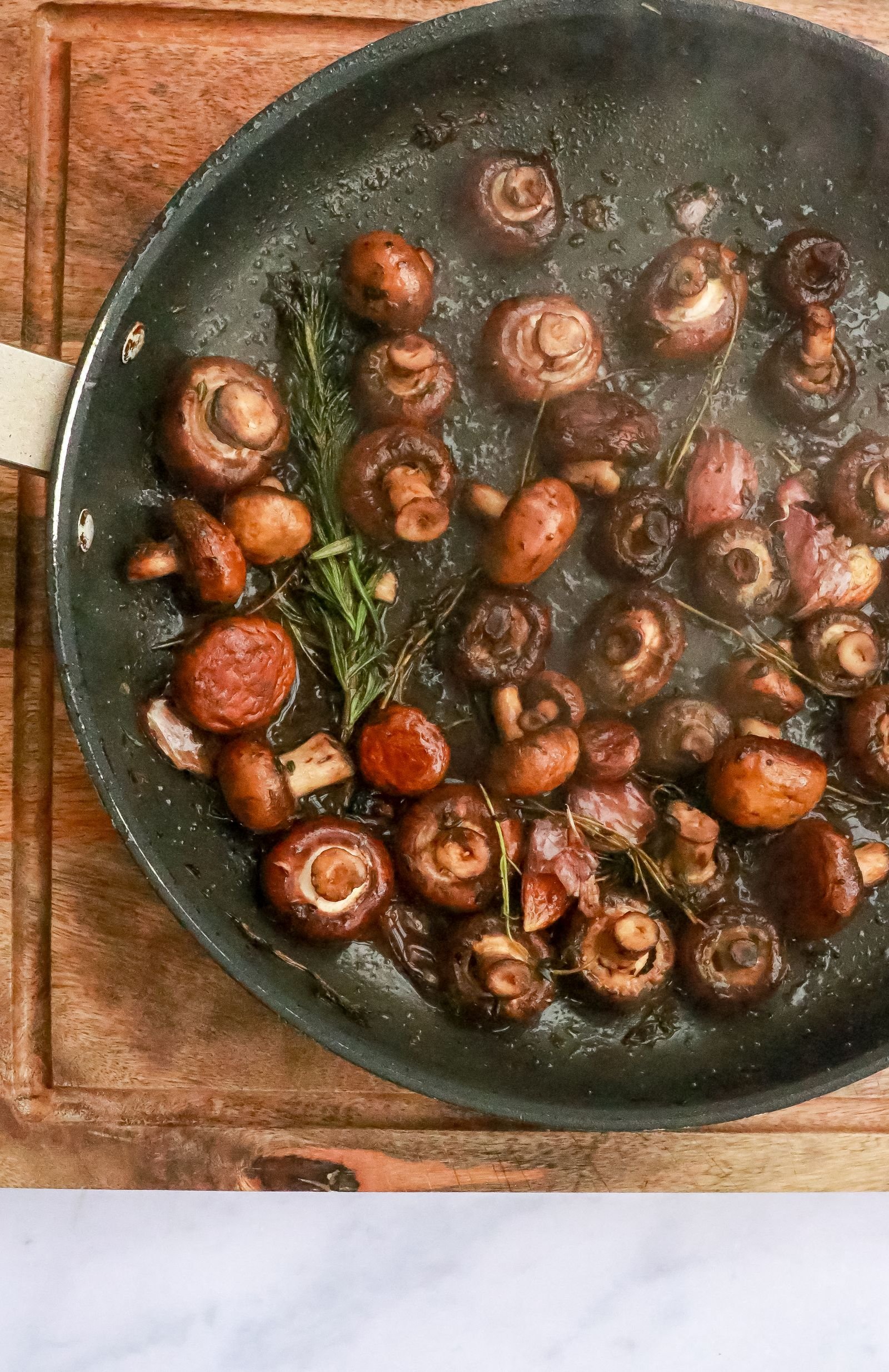
- Roast as a side: Toss whole or halved mushrooms with oil, salt, thyme, and a squeeze of lemon, and roast at a high heat until golden at the edges.
- Raw, sometimes: Clean, fresh button mushrooms can be sliced thin into salads, though most people prefer them cooked for both taste and easier digestion.
One cooking tip makes a real difference: do not crowd the pan. Mushrooms release a lot of water, and if they are piled up they will steam and turn grey instead of browning. Cook them in a single layer, in a hot pan, and let them sit undisturbed for a minute or two before stirring. And do not fear a little oil or butter — mushrooms soak it up and taste far better, and a modest amount of healthy fat helps you absorb fat-soluble nutrients like vitamin D.
How Much Is Sensible to Eat?
There is no official daily target for mushrooms, but a typical serving is about 80 to 100 grams — roughly a cup of raw slices, or five medium button mushrooms. Eating a serving like that two to four times a week is a reasonable, enjoyable pattern for most people and is in line with the amounts used in many nutrition studies.
You can certainly eat mushrooms more often, even daily, as part of a varied diet, provided they are fresh, properly stored, and cooked or cleanly prepared, and provided you are not in one of the caution groups below. Variety still matters: mushrooms should add to your vegetable mix, not replace it. Aim for different colors and types of produce across the week, and rotate mushroom varieties too, since shiitake, oyster, and button mushrooms each bring slightly different nutrients and flavors.
If you are eating mushrooms specifically for vitamin D, choose UV-labeled packs and include a serving several times a week, while remembering that diet is only one part of vitamin D status, alongside sunlight and, for some people, a supplement their doctor recommends.
Side Effects and Who Should Be Careful
For most people, ordinary culinary mushrooms from a shop are safe and well tolerated. Still, mushrooms have some real cautions that are worth knowing, and a few of them are important.
Never eat wild mushrooms unless an expert has identified them. This is the most serious warning in this article. Some wild species are poisonous and can cause severe liver or kidney damage, and they can look very similar to edible types. Photos and apps are not a safe substitute for expert identification. If you did not buy it from a reliable source, do not eat it.
Allergies and sensitivities. Mushroom allergy is uncommon but real, and it can cause skin reactions, stomach upset, or, rarely, breathing symptoms. People with a mold allergy sometimes react to mushrooms as well. If you notice a consistent reaction, stop eating them and talk to a clinician. Some people also find raw mushrooms hard to digest — cooking breaks down chitin and usually makes them gentler.
IBS and mannitol. Mushrooms, especially button and portobello, contain mannitol, a sugar alcohol that is high in FODMAPs, the fermentable carbohydrates that can trigger bloating and discomfort in people with irritable bowel syndrome. Oyster mushrooms and canned mushrooms (drained and rinsed) tend to be lower and may be tolerated in small portions. If mushrooms reliably upset your stomach, smaller portions of oyster mushrooms, well cooked, are a gentler place to start.
Gout and purines. Mushrooms contain a moderate amount of purines, substances that break down into uric acid. Older advice told everyone with gout to avoid them completely, but current understanding is that plant-source purines appear to carry less gout risk than those from red meat and seafood. Even so, if you have gout or high uric acid, it is wise to keep portions moderate during a flare and discuss your overall diet with your doctor rather than singling out one food.
Kidney considerations and supplements. People on a potassium-restricted diet for kidney disease should be aware that mushrooms contribute potassium, so portion size may matter — check with your care team. Be extra careful with concentrated mushroom supplements and powders, which are far less regulated than food, can interact with medicines (including blood thinners and immune-suppressing drugs), and are not appropriate in pregnancy or for children unless a clinician advises them. Culinary mushrooms in normal food amounts are a different matter from high-dose extracts.
Food safety basics. Buy from a trusted source, refrigerate promptly, cook mushrooms that have been stored a few days rather than eating them raw, and discard any that are slimy or smell off. Wash hands and surfaces after handling, as you would with any fresh produce.
This article is general information about a common food, not medical advice. If you have a medical condition, take regular medication, or are pregnant and unsure about a food or supplement, please check with your own doctor or dietitian.
Frequently Asked Questions
Are mushrooms a vegetable?
Botanically, no — mushrooms are fungi, a completely separate kingdom from plants. In the kitchen and in nutrition guidance, though, they are grouped and eaten like vegetables, and they count toward your daily vegetable intake in most dietary guidelines. For practical purposes, you can treat them as a vegetable on your plate.
Which mushroom is the healthiest?
There is no single winner. Button and cremini mushrooms are affordable and provide solid B vitamins and selenium. Shiitake and maitake tend to be a bit higher in fiber and beta-glucans, oyster and porcini are especially rich in the antioxidant ergothioneine, and UV-exposed mushrooms of any type win on vitamin D. The healthiest choice is usually the mix you will actually eat regularly, bought fresh and at a price that works for you.
Do mushrooms really give you vitamin D?
They can, but only if they have seen light. Standard mushrooms grown indoors contain very little vitamin D. Mushrooms exposed to sunlight or UV light by the grower — look for “vitamin D” or “UV-treated” on the label — can provide a substantial share of your daily needs in one serving. Placing sliced mushrooms in midday sun for a short time at home can raise their content too, though the amount is unpredictable.
Is it better to eat mushrooms raw or cooked?
Cooked is the better default for most people. Cooking softens their tough cell walls, making nutrients more available and the mushrooms easier to digest, and it reduces the small amounts of potentially irritating compounds found in some raw mushrooms. A quick rinse, a hot pan, and a few minutes are all it takes. Thin slices of very fresh button mushrooms in a salad now and then are fine for most healthy adults.
Can mushrooms help you lose weight?
Not on their own, and no food can promise that. What mushrooms do well is make lower-calorie meals feel generous and taste deeply savory, thanks to their bulk and umami flavor. Swapping mushrooms in for part of the meat in sauces, burgers, and stir-fries is a practical, enjoyable way to cut calories without feeling deprived, which can support a weight plan built on overall habits.
How should you store mushrooms so they last longer?
Keep them in the refrigerator, ideally in a paper bag or a container lined with a paper towel to absorb moisture, and avoid sealing them in airtight plastic. Do not wash them until just before cooking. Used within four to five days, they should stay firm and fresh. Mushrooms also freeze well if you sauté them first, and dried mushrooms keep for months in a sealed jar in a cool cupboard.
Are mushrooms safe during pregnancy?
Shop-bought mushrooms that are fresh, washed, and cooked are generally considered fine in pregnancy as a normal food, and they provide useful nutrients like B vitamins and, if UV-exposed, vitamin D. Avoid raw wild mushrooms entirely, be cautious with any mushroom supplements or powders, and follow normal food hygiene. If you have any doubt about your own situation, check with your midwife or doctor.
Can children eat mushrooms?
Yes, cooked, shop-bought mushrooms cut into age-appropriate pieces are suitable for children as part of a varied diet, and their soft texture once cooked makes them easy to include in sauces, soups, and pasta dishes. Chop them finely if you have a picky eater — blended into a tomato sauce, they tend to disappear. As with adults, never serve children wild mushrooms that have not been expertly identified.
Conclusion
Mushrooms are not a miracle food, and they do not need to be. They are something better: an affordable, delicious, everyday ingredient that brings real nutrition to the table — B vitamins, selenium, potassium, unusual antioxidants, and, in UV-exposed varieties, a rare plant-side source of vitamin D — all for very few calories.
Add them to your eggs in the morning, blend them into your pasta sauce, grill a portobello on the weekend, or stir shiitake into a weeknight soup. Small habits like those, repeated often and enjoyed, are how mushrooms health benefits actually show up in real life: not as a cure for anything, but as steady, tasty support for eating well. Pick up a punnet this week and let them do what they do best — make healthy food taste like something you genuinely want to eat.