
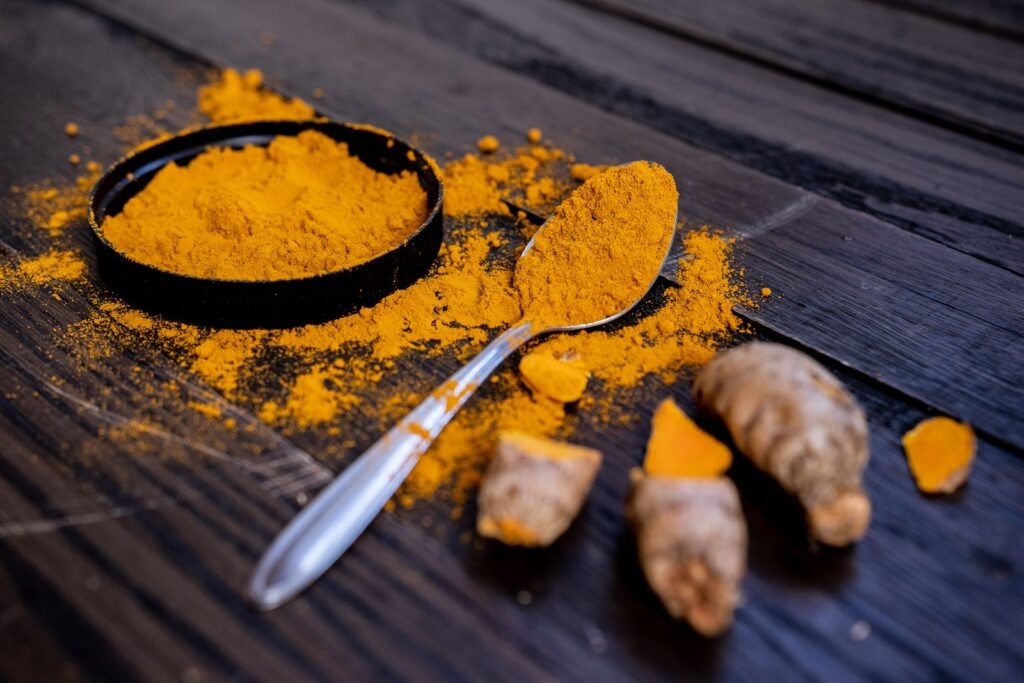

If you have ever eaten a curry that left your fingers stained golden yellow, you already know turmeric. This warm, earthy spice has been used in Indian, Southeast Asian, and Middle Eastern cooking for thousands of years, and it is just as familiar in traditional wellness practices as it is in the kitchen. In recent years it has moved beyond the spice rack, turning up in lattes, teas, smoothies, and supplement capsules.
So why the worldwide interest? A lot of it comes down to curcumin, the pigment that gives turmeric its deep color and much of its reputation. People are curious about turmeric benefits for health, and researchers are curious too — although the honest picture is more balanced than the boldest headlines suggest.
In this article, we will look at what turmeric contains, what the evidence can and cannot support, how to use it in everyday food, how much is sensible, and who should be careful with it.
Quick Benefits at a Glance
Here is a short summary of why turmeric earns its place in a varied diet:
- Provides curcumin and other natural plant compounds with antioxidant activity
- May help support a healthy, normal inflammatory response in the body
- A comforting spice many people enjoy for everyday joint ease as part of an active lifestyle
- Traditionally used to support comfortable digestion after meals
- Adds rich color and flavor to food with very few calories
- Contains useful amounts of iron, manganese, potassium, and fiber in powder form
- Pairs well with healthy fats and black pepper, which help the body use curcumin
- Versatile in both sweet and savory dishes, from curries to warm drinks
Turmeric Nutrition: What Is in the Spice?
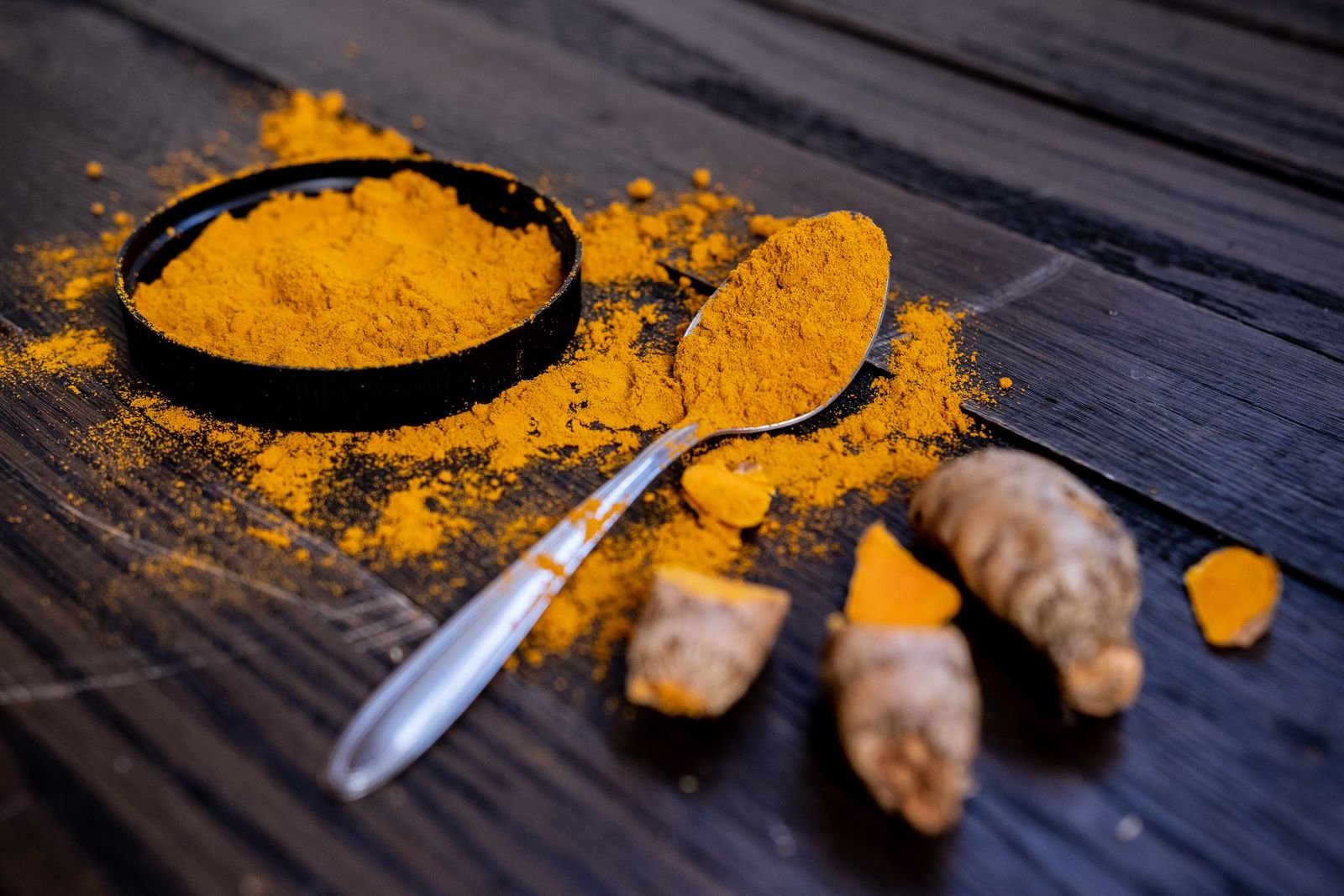
Turmeric powder is made by boiling, drying, and grinding the underground stem — called a rhizome — of the turmeric plant, a relative of ginger. Fresh turmeric looks like ginger root, but the flesh inside is vivid orange.
The values below are approximate standard values for ground turmeric powder. Most of us use only a teaspoon or two at a time, so think of the per-100-gram figures as a guide to nutrient density, not a portion you would eat.
Per 100 grams of ground turmeric powder (approximate):
- Calories: about 312 kcal
- Protein: about 9.7 g
- Carbohydrates: about 67 g
- Fiber: about 22.7 g
- Total fat: about 3.3 g
- Iron: about 55 mg
- Manganese: about 19.8 mg
- Potassium: about 2,080 mg
- Magnesium: about 208 mg
- Calcium: about 168 mg
- Vitamin B6: about 0.1 mg
- Vitamin C: about 0.7 mg
Per 1 teaspoon of ground turmeric (about 3 grams):
- Calories: about 9 to 10 kcal
- Carbohydrates: about 2 g
- Fiber: about 0.7 g
Curcumin typically makes up roughly 3 to 5 percent of turmeric powder by weight. That matters, because many studies use concentrated curcumin extracts, which are far stronger than the amount you get from seasoning food. Culinary turmeric still contributes curcumin and other curcuminoids, just in gentler, food-level amounts.
A Rich Source of Antioxidants
One of the most straightforward turmeric benefits for health is its antioxidant content. Antioxidants are compounds that help protect your cells from damage caused by free radicals, which are unstable molecules produced by normal body processes and by things like pollution and sunlight.
Curcumin and the other curcuminoids in turmeric have shown antioxidant activity in laboratory research. Eating a wide range of colorful plant foods is one of the simplest ways to get a mix of antioxidants, and turmeric’s intense color is a good clue that it brings something different to that mix. It will not undo a poor diet on its own, but as part of a plate full of vegetables, legumes, and whole grains, it adds useful variety.
May Help Support a Healthy Inflammatory Response
Inflammation is not always a bad thing. It is your body’s normal, short-term response to injury or infection. Problems tend to arise when low-level inflammation lingers, which is why researchers have studied compounds that may help the body keep that response in balance.
Curcumin is the most studied part of turmeric in this area. A number of clinical studies on curcumin extracts have found modest, supportive effects on markers linked to inflammation, though results are mixed and many trials are small or short. The evidence is promising but not settled, and extract doses are usually higher than food doses. Using turmeric regularly in food is a reasonable habit for most people, but it is a supportive food choice, not a substitute for medical treatment.
Everyday Joint Comfort
Joint stiffness is one of the most common reasons people try turmeric. Some studies of curcumin extracts in people with knee discomfort have reported small improvements in comfort and ease of movement, though not everyone responds the same way and these studies use extracts, not food.
For most of us, the food-first approach makes sense. Regular movement, maintaining a healthy weight, and a varied diet matter more for joints than any single spice. Turmeric can be part of that picture — a warm addition to soups, stews, and rice dishes you already eat — rather than the whole strategy.

Brain Health and Mood
Your brain is especially sensitive to oxidative stress, so researchers have wondered whether curcumin might support cognitive health as we age. Some small studies and population observations have sparked interest, but the findings so far are preliminary and far from conclusive.
There is also early interest in mood, with a few small trials of curcumin supplements reporting mixed results alongside standard care. The practical takeaway is familiar: sleep, exercise, social connection, and a varied Mediterranean-style pattern of eating support brain health most reliably. Turmeric fits comfortably into that pattern, even if it is not the star of it.
Heart-Friendly Qualities
Turmeric has also been studied in relation to heart health. Curcumin may help support the normal function of the endothelium, the thin lining of your blood vessels that helps them relax and contract properly. Some studies have also looked at curcumin’s relationship with blood lipids such as cholesterol, with small and inconsistent effects.
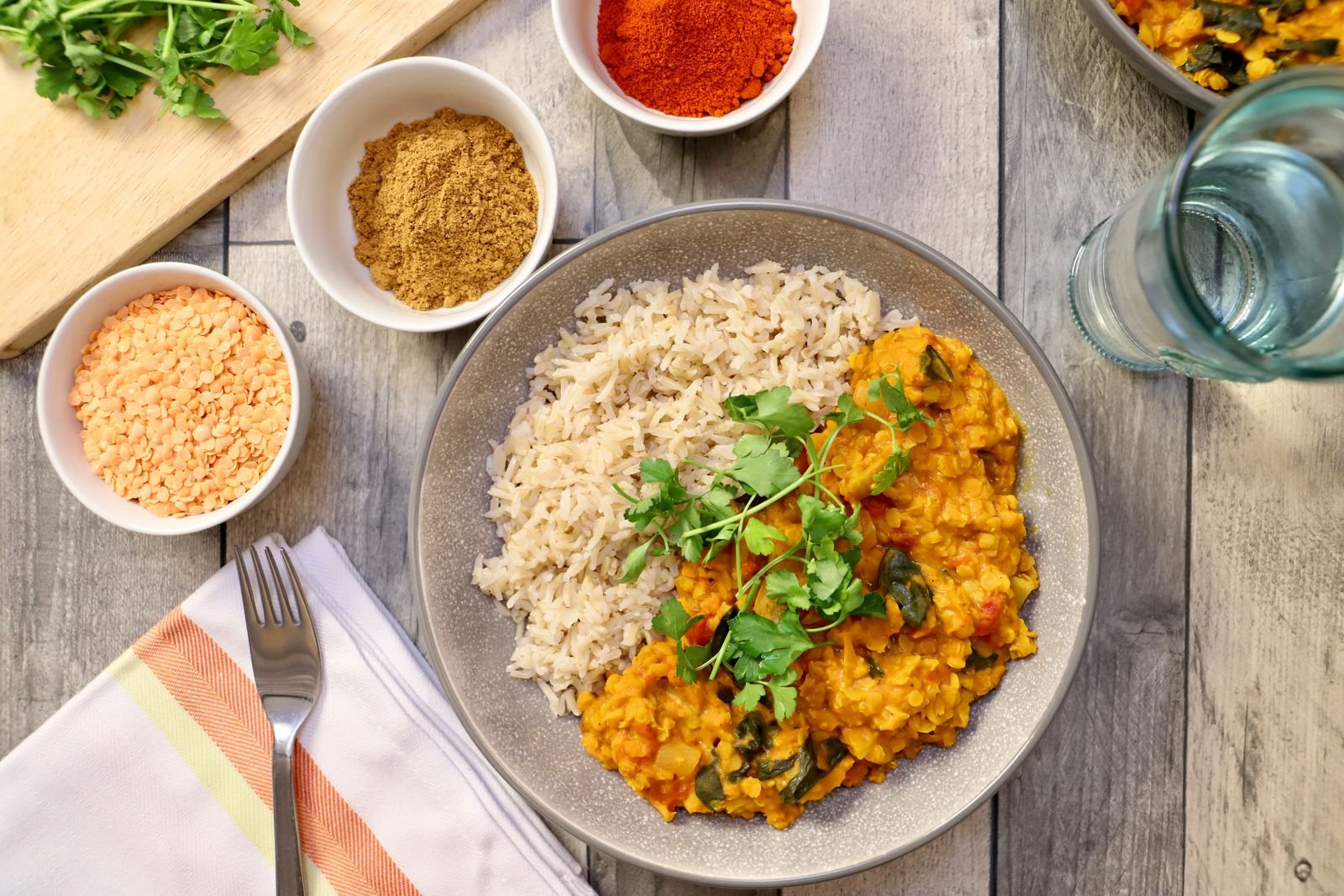
If you are cooking with heart health in mind, turmeric rarely works alone. A lentil curry made with onions, tomatoes, lentils, and a generous spoonful of turmeric is a good example — the fiber and plant protein do much of the heavy lifting, and the spice makes the dish satisfying enough to eat often.
Turmeric also belongs naturally alongside other well-loved kitchen staples. Many cooks who explore the garlic benefits for health find that garlic and turmeric together form the flavorful base of countless heart-friendly soups, dals, and stir-fries.
Digestive Comfort
Turmeric has a long traditional history of use after meals, particularly in Ayurvedic practice, where it was taken to ease that heavy feeling after rich food. Modern research on curcumin for digestive comfort is still limited and mixed.
In everyday terms, turmeric is a warming spice that many people find settles well in cooked food, especially with lentils, rice, and cooked vegetables. Warm liquids can feel soothing too, which may be part of why golden milk and turmeric tea are so popular in the evening.
Its close relative is often used in the same way, and if you enjoy that pairing, you might like reading about the ginger benefits for health as well — ginger and turmeric together make a classic, comforting combination in teas and curries.
Skin, Weight, and Other Areas of Interest
Turmeric paste has been used on skin in traditional routines for generations, largely for its reputation for supporting a clear-looking complexion. Early research on curcumin in skin care is not strong enough to promise results, and turmeric can temporarily stain skin yellow, so patch-test first if you try it topically.
You may also see turmeric marketed for weight loss. Here, honesty matters: there is no good evidence that turmeric on its own causes meaningful weight loss. If you are working toward a healthier weight, tracking where you stand with a simple tool like our BMI calculator and building balanced meals — including flavorful, low-calorie spices like turmeric that make vegetables and legumes more appealing — is a far more reliable approach.
Finally, turmeric is sometimes promoted for “detox.” Your liver and kidneys already handle detoxification continuously, and no spice replaces them. What turmeric can do is help you cook tasty, plant-rich food at home, which supports those organs in an ordinary, sensible way.
How to Add Turmeric to Your Diet
The easiest way to enjoy turmeric is simply to cook with it more often. Its flavor is earthy, warm, and slightly bitter, so a little goes a long way and it works best balanced with other spices.
- Curries, dals, and soups: Start with 1/2 to 1 teaspoon in a pot serving four people, bloomed in a little oil with cumin, coriander, and garlic at the start of cooking.
- Rice and grains: Stir 1/2 teaspoon into the cooking water for rice, quinoa, or couscous for a beautiful golden color.
- Eggs: A pinch in scrambled eggs or a tofu scramble adds color and warmth.
- Roasted vegetables: Toss cauliflower, carrots, or sweet potatoes with olive oil, turmeric, and black pepper before roasting.
- Golden milk: Warm milk or a plant-based alternative with 1/2 teaspoon turmeric, a pinch of cinnamon and black pepper, and a little honey if you like.
- Smoothies and teas: Blend a small piece of fresh turmeric, or 1/4 teaspoon powder, into smoothies, or simmer slices in water with lemon.
Two simple tricks improve how your body uses curcumin. First, pair turmeric with a little fat, such as olive oil, coconut milk, or yogurt, because curcumin dissolves in fat. Second, add a pinch of black pepper. Pepper contains piperine, a compound shown to increase curcumin absorption considerably — a normal culinary pinch in the same dish is enough.
Fresh turmeric root is worth trying if you see it. Peel and grate it like ginger into stir-fries, dressings, and teas. It stains easily, so keep it off light-colored worktops.
How Much Turmeric Per Day Is Sensible?
For cooking, most recipes use between 1/2 teaspoon and 1 tablespoon for a whole dish, so an individual portion often provides roughly 1/4 to 1 teaspoon of powder. Using turmeric in food once a day at these levels is common in many food cultures and is generally considered sensible for healthy adults.
Supplements are a different matter. Food safety assessments have suggested an acceptable daily intake for curcumin as a food additive of up to about 3 mg per kilogram of body weight per day, but capsules often contain much larger, concentrated doses, sometimes with piperine to boost absorption. More is not automatically better, and high-dose supplements are where most side effects appear. If you are considering a supplement, talk with your doctor or pharmacist first, especially if you take regular medication. For most people, the spice rack is the safest place to start.
Side Effects and Who Should Be Careful
In normal food amounts, turmeric is well tolerated by most people. Problems are uncommon at culinary doses, but worth knowing about, particularly with large amounts or concentrated supplements.
- Stomach upset: Large doses can cause nausea, loose stools, stomach pain, or acid reflux in some people.
- Gallbladder issues: Turmeric may stimulate bile flow and cause the gallbladder to contract. People with gallstones or a bile duct obstruction are usually advised to avoid turmeric supplements and large medicinal amounts.
- Kidney stones: Turmeric contains oxalates, which can contribute to kidney stones in susceptible people. If you have a history of oxalate kidney stones, be cautious with high-dose turmeric and turmeric “shots.”
- Blood-thinning medicines: Curcumin may have mild blood-thinning effects and could interact with anticoagulant and antiplatelet medicines such as warfarin, increasing bleeding risk. Tell your surgical team about any supplements before surgery.
- Diabetes medicines: Turmeric supplements may lower blood sugar slightly, which could add to the effect of diabetes medication. Monitor carefully and get medical advice first.
- Iron absorption: Curcumin can bind to iron and may reduce its absorption. People with iron deficiency may want to separate turmeric supplements from iron doses.
- Pregnancy and breastfeeding: Food amounts in cooking are generally fine, but medicinal doses are not recommended in pregnancy, as large amounts may stimulate the uterus. Safety data for supplements while breastfeeding is limited.
- Allergy and interactions: Allergy to turmeric is rare but possible, especially in people sensitive to ginger family plants. Piperine in enhanced supplements can also affect how some medicines are processed, so always check for drug interactions.
This article is general information, not medical advice. If you have a medical condition or take regular medication, please check with a qualified health professional before using turmeric supplements or large medicinal amounts.
Frequently Asked Questions
Is it better to use fresh turmeric or powder?
Both are good. Powder is convenient, keeps for months, and is what most nutrition values are based on. Fresh root has a brighter, slightly citrusy flavor and works well grated into teas, dressings, and stir-fries. Use whichever you will actually cook with regularly, and store powder away from light and heat.
Does black pepper really make a difference?
Yes. Black pepper contains piperine, which slows the breakdown of curcumin and has been shown to raise its absorption substantially. You only need a small culinary pinch in the same dish, along with a source of fat such as olive oil or coconut milk.
Can I take turmeric every day?
For most healthy adults, using turmeric in food every day is a normal habit in many cultures and is generally considered fine. Daily high-dose supplements are a separate question, because they deliver far more curcumin than food does. If you plan to take one long term, discuss it with your doctor first.
Does turmeric stain teeth?
Turmeric stains surfaces and fingertips easily, and it may leave a temporary yellow tint on teeth if used heavily, for example in strong daily teas. Normal amounts in cooked food, followed by your usual brushing, are unlikely to cause lasting staining for most people.
Is golden milk actually healthy?
It can be a comforting, sensible drink, depending on how you make it. Warm milk or an unsweetened plant alternative with turmeric, cinnamon, and black pepper provides a small amount of curcumin and protein with modest calories. Keep sweeteners light and enjoy it as a cozy drink, not a cure-all.
Who should avoid turmeric supplements?
People with gallstones, a history of oxalate kidney stones, those taking blood thinners or diabetes medication, people preparing for surgery, and anyone who is pregnant should avoid turmeric supplements unless a doctor advises otherwise. Food amounts are a gentler level of exposure, but medical advice still comes first.
How should I store turmeric?
Keep ground turmeric in an airtight container in a cool, dark cupboard, where it keeps its best flavor for roughly six months to a year. Fresh root keeps for a week or two in the fridge, wrapped, and freezes well for grating straight from frozen.
Conclusion
Turmeric has earned its long history. It is a beautiful, flavorful spice that brings curcumin, antioxidants, and useful minerals to your cooking, and it may help support your body’s normal inflammatory balance, digestion, and general well-being as part of a varied diet.
Keep expectations realistic. Enjoy turmeric often, pair it with black pepper and a little healthy fat, and let it make vegetables, lentils, grains, and soups more delicious — that is where its everyday value really lies. Be careful with high-dose supplements if you have a medical condition, and turmeric can be a golden little habit worth keeping.


Pingback: Ginger Benefits for Health (Digestion, Nausea, and Immunity)
Pingback: Broccoli Health Benefits (Why This Vegetable Deserves a Spot on Your Plate)
Pingback: Golden Milk Benefits for Health (Turmeric, Sleep, and Immunity)