
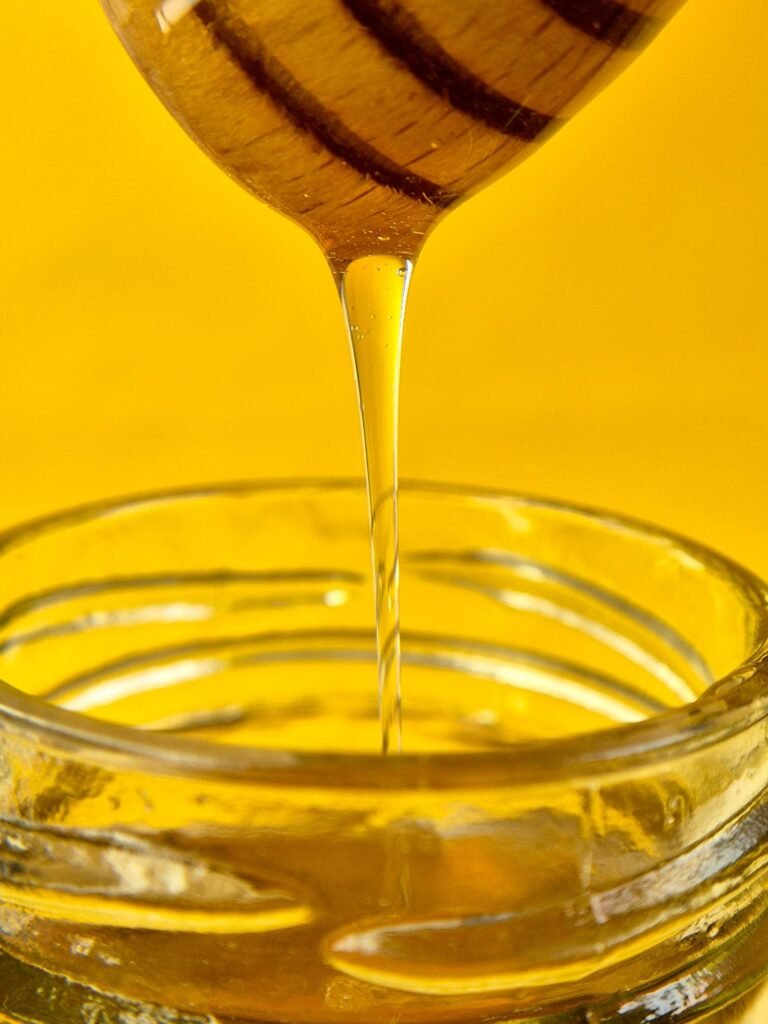

Honey has been in kitchen cupboards for thousands of years, and for good reason. It is sweet, comforting, and more interesting than plain sugar. Bees make it from flower nectar, and depending on where those bees have been feeding, honey can taste floral, fruity, earthy, or even a little spicy.
People often ask about honey benefits for health because it feels like a more natural choice than refined sweeteners. There is some truth in that — honey does contain small amounts of antioxidants and plant compounds that white sugar does not have. At the same time, it is still a sugar, and it still needs to be used with care.
In this article, we will look at honey honestly: what is in it, what it may help support, how to use it in everyday food and drinks, how much is sensible, and who should avoid it. No miracle claims, just a clear picture so you can enjoy it wisely.

Quick Benefits at a Glance
Here is a simple summary of why people value honey:
- Provides quick, natural energy from carbohydrates
- Contains antioxidants from plant nectar that may help support overall health
- Soothes a sore throat and may help calm a cough, especially in warm drinks
- A flavorful alternative to refined sugar when used in smaller amounts
- Easy to mix into drinks, dressings, and marinades
- Has natural antibacterial properties that have been used on skin for centuries
- Supports local beekeepers and pollinators when you buy from small producers
- Keeps for a very long time without refrigeration if stored properly
The sections below explain each point in more detail, including where the evidence is strong and where it is still limited.
What Is in Honey? Nutrition Facts
Honey is mostly sugar and water, with tiny amounts of other nutrients. That does not make it unhealthy, but portion size matters. The values below are approximate standard values, similar to USDA data for raw honey.
Per 100 grams (about 5 tablespoons):
- Calories: approximately 304 kcal
- Carbohydrates: about 82 grams
- Sugars: about 82 grams (mainly fructose and glucose)
- Protein: about 0.3 grams
- Fat: 0 grams
- Fiber: about 0.2 grams
- Water: about 17 grams
- Potassium: about 52 mg
- Calcium: about 6 mg
- Iron: about 0.4 mg
- Vitamin C: about 0.5 mg
- Small amounts of B vitamins, magnesium, and zinc
Per 1 tablespoon (about 21 grams):
- Calories: about 64 kcal
- Carbohydrates: about 17 grams
- Sugars: about 17 grams
One tablespoon has slightly more calories than a tablespoon of white sugar because honey is heavier and more concentrated. It also tastes a little sweeter, so many people can use a bit less. Honey contains trace enzymes, amino acids, and polyphenols — plant compounds that act as antioxidants. Darker honeys, such as buckwheat, tend to contain more of these compounds than light honeys, though amounts are still small compared with fruits and vegetables.
If you are keeping an eye on daily energy intake, our calorie calculator can help you get a sense of your daily needs.
A Gentle Source of Energy
Because honey is made of simple sugars — mostly fructose and glucose — your body can break it down quickly. That is why a spoonful in tea or on toast can feel like a fast pick-me-up.
Athletes sometimes use honey during or after exercise for the same reason. It provides carbohydrates that help refill energy stores and is easy to mix into a drink. It will not replace a balanced meal, but as quick fuel it works well.
This fast energy is also a reason to be thoughtful. A rapid rise in blood sugar is not ideal if you want steady energy. Pairing honey with fiber, protein, or healthy fats — like yogurt, oats, or peanut butter toast — slows digestion a little and helps you feel fuller for longer.
Honey and a Sore Throat
A warm drink with honey is a classic comfort when your throat feels scratchy. Honey coats the throat, which may help reduce irritation, and its sweet taste encourages saliva production, which also soothes.
Many people stir honey into warm (not boiling) water or herbal tea when they have a cold. The warmth helps too, so it is hard to separate the effect of the drink from the honey itself, but together they can feel genuinely calming. This is support for comfort, not a cure for an infection, and a persistent sore throat should be checked by a clinician.
If you enjoy tea-based drinks, you might also like reading about green tea benefits and how that drink fits into a balanced routine.
May Help Calm a Cough
Honey is often used for coughs. Several studies in children over 12 months old and in adults have found that a small dose of honey before bed may help reduce cough frequency at night and improve sleep compared with no treatment. Some health organizations mention honey as a reasonable home option for a cough linked to a common cold.
That does not mean honey stops all coughs or replaces medicine when medicine is needed. A cough lasting more than a few weeks, or one with fever, wheezing, or difficulty breathing, needs medical attention promptly.
If you try honey for a cough, a teaspoon taken slowly or mixed into a warm drink is the usual approach for adults. For children, only use honey if the child is over 12 months old — this limit is very important, as explained below.

Antioxidants and Plant Compounds
Nectar comes from flowers, and flowers contain polyphenols and flavonoids — natural plant compounds that act as antioxidants. Antioxidants help protect cells from damage caused by free radicals, unstable molecules produced during normal metabolism and by things like pollution and sunlight.
Honey will never match berries or leafy greens for antioxidant content, simply because you eat so much less of it. Still, choosing honey instead of refined sugar adds a small amount of these compounds, whereas white sugar adds essentially none. Darker honeys usually test higher than pale honeys, and raw, minimally filtered honey may retain a bit more pollen and enzymes, though the difference is modest.
Skin and Wound Care — What to Know
Honey has a long history of use on the skin. Certain types, especially medical-grade Manuka honey, are used in hospitals on some wounds and burns under professional supervision. Honey creates a moist barrier, has a low pH, and can discourage bacterial growth.
At home, people sometimes use honey in face masks or lip balms for its moisturizing feel. It is a humectant, meaning it attracts water, so skin can feel softer for a short time. These cosmetic uses are pleasant, but they are not treatments for skin conditions.
Do not apply kitchen honey to deep wounds, serious burns, or infected skin and expect it to heal them. Those situations need proper medical care, and medical-grade products are sterilized in ways food honey is not. If you have sensitive skin, test on a small patch first.
Gut Comfort and Digestion
Some people find honey gentle on the stomach, especially in warm water. Honey contains small amounts of oligosaccharides — a type of carbohydrate that can act as a prebiotic, meaning it may feed some beneficial bacteria in your gut.
The evidence here is preliminary. Most prebiotic research on honey has been done in labs, not large human trials, so strong claims are not justified. Honey may help support a healthy gut environment as part of a fiber-rich diet, but it is not a digestive medicine. If sweet foods upset your stomach, honey may still cause bloating in larger amounts because of its fructose. Start small and see how you feel.
A Sweeter Choice, Used Carefully
Many home cooks reach for honey to cut back on refined sugar without giving up sweetness. Honey brings flavor along with sweetness — a drizzle over yogurt tastes different from plain sugar — so recipes often need less to feel satisfying.
Another popular morning habit is warm water with lemon and a little honey. It is hydrating and comforting, though its benefits come mostly from the water and lemon and the ritual itself. You can learn more in our guide to lemon water benefits, which covers what it can and cannot do.
When you swap honey for sugar in cooking, remember honey adds liquid and browns faster. Reduce other liquids slightly and lower the baking temperature a touch.
How to Add Honey to Your Diet
Honey is versatile, and a little goes a long way. Everyday ideas include stirring a teaspoon into warm tea or milk, drizzling it over Greek yogurt with nuts and fruit, spreading it thinly on whole-grain toast with peanut butter, and whisking it into salad dressings with olive oil, lemon juice, and mustard. It also works well in oatmeal, overnight oats, smoothies, and marinades for chicken, salmon, or roasted vegetables, where it helps create a golden glaze.
For choosing honey, look for a label that lists only honey as the ingredient, as some inexpensive products are blended with syrups. Local honey is a lovely choice if available — it supports nearby beekeepers and often has a distinctive flavor. Light honey is mild and good for drinks; darker honey is bolder and stands up well in baking.
Store honey sealed at room temperature away from direct heat. It naturally crystallizes over time, especially in cooler kitchens, but that does not mean it has gone bad. Place the sealed jar in warm water for a few minutes and stir to make it liquid again. For tea, let boiled water cool for a minute before stirring honey in, as very high heat can dull its delicate flavor.
How Much Honey Per Day Is Sensible?
There is no official daily amount specifically for honey, because guidelines count it as an added sugar. Health organizations generally suggest limiting added sugars to about 6 teaspoons (about 25 grams) per day for most women and 9 teaspoons (about 36 grams) per day for most men.
One tablespoon of honey contains about 17 grams of sugar, so it uses a large part of that budget on its own. For most healthy adults, 1 to 2 tablespoons per day within a balanced diet is a sensible upper range — and less is perfectly fine.
Think of honey as an occasional sweetener, not a supplement you need daily. People managing blood sugar or body weight often do better with smaller, less frequent amounts and should talk with their healthcare team about how honey fits their personal plan.
Side Effects and Who Should Be Careful
Honey is safe for most adults and older children, but it is not right for everyone, and too much can cause problems.
Never give honey to infants under 12 months. This is the most important caution here. Honey can contain spores of Clostridium botulinum, a bacterium whose spores an adult gut can handle but a baby’s immature digestive system cannot. This can cause infant botulism, a rare but serious illness. It applies to all honey, including honey in baked goods for babies. Wait until after the first birthday.
Blood sugar: Honey raises blood sugar, slightly less quickly than pure glucose but still significantly. If you have diabetes or prediabetes, count honey as sugar and do not treat it as a safe substitute without medical guidance.
Weight and teeth: Honey is calorie-dense and sticky, so frequent use can contribute to weight gain if total calories rise, and it can increase the risk of cavities, just like other sugars.
Allergies: People allergic to bee stings, pollen, or bee products may react to honey, though true honey allergy is uncommon. Symptoms can include itching, hives, or swelling. Raw honey contains more pollen, so sensitive people may react more to it.
Fructose sensitivity: The fructose in honey can cause gas, bloating, or diarrhea in people with fructose malabsorption or irritable bowel syndrome, especially in larger servings. If you take blood-sugar-lowering medication, regular honey can also work against your treatment goals.
This article is general information only and is not medical advice. If you have a medical condition, take regular medication, or have questions about your child, please speak with a qualified healthcare professional.

Frequently Asked Questions
Is honey healthier than sugar?
Honey is slightly more nutritious than white sugar because it contains trace antioxidants and minerals, and it tastes sweeter so you may use less. However, it is still a sugar with similar calories, so use it in moderation like other sweeteners.
Can I give honey to my baby?
No, never give honey to a baby under 12 months old, in any form. Honey can carry spores that a baby’s immature gut cannot handle, which can lead to infant botulism. After 12 months, honey is generally considered safe for children.
Does honey help with a cough?
Honey may help calm a cough and soothe the throat, especially in a warm drink before bed. Evidence suggests it can reduce nighttime coughing for adults and children over one year old, but it does not cure the underlying cold or infection.
How should I store honey, and why did mine crystallize?
Store honey sealed at room temperature away from heat and moisture. Crystallization is natural and does not mean it has spoiled. Warm the jar gently in warm water and stir to return it to liquid.
Is raw honey better than regular honey?
Raw honey is less filtered and heated, so it may retain a little more pollen and enzymes and often has a richer flavor. The nutritional difference is small, and both types should be used in moderation.
Can people with diabetes eat honey?
People with diabetes can sometimes include small amounts within their overall carbohydrate plan, but honey will raise blood sugar. Count it as sugar and discuss personal limits with a doctor or dietitian rather than treating it as a free food.
Does honey expire?
Pure honey has an extremely long shelf life and does not really expire if stored properly in a sealed container. For best flavor, use it within a couple of years and keep moisture out of the jar.
Can honey help you lose weight?
No food on its own causes weight loss, and honey adds calories, so it will not help you lose weight by itself. Using a small amount instead of a larger amount of sugar can fit into a weight-conscious diet, but total calories and overall patterns matter far more.
Conclusion
Honey earns its place in the kitchen. It tastes wonderful, soothes a scratchy throat in a warm drink, adds a touch of antioxidants that plain sugar lacks, and works in everything from dressings to desserts. Those are real, modest strengths worth appreciating.
The honest picture also matters: honey is a concentrated sugar, so a little goes a long way, and it is never safe for babies under one year. When you treat honey as a flavorful sweetener to enjoy in small amounts — rather than a medicine or a health tonic — you get the best of it without the downsides.



Pingback: Green Tea Benefits (What a Daily Cup Can Really Do for You)
Pingback: Black Tea Benefits for Health (Heart, Focus, and Gut)