
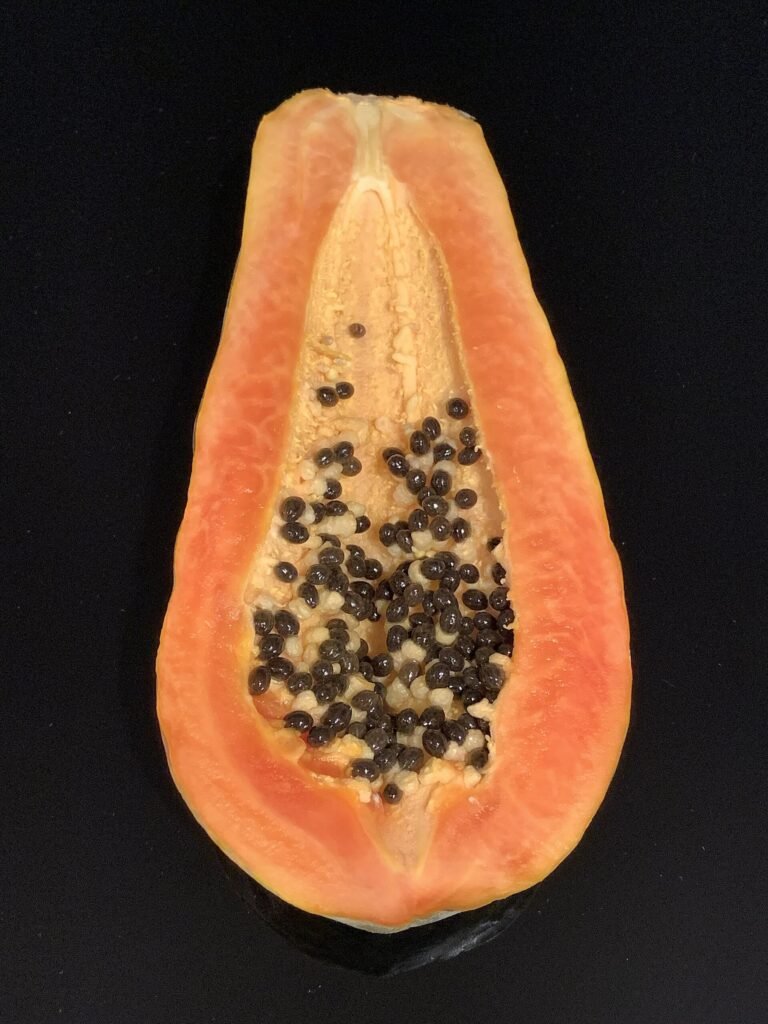

Papaya tastes like sunshine. When perfectly ripe, its flesh turns deep orange, softens to a custard-like texture, and gives off a sweet, lightly floral flavor. Cut one open at breakfast, squeeze a little lime over it, and you have a meal that feels special without any cooking.
People care about papaya for more than its taste. For generations in tropical regions, it has been an everyday food — eaten fresh, blended into drinks, cooked green in salads and curries, and turned to when digestion feels sluggish. Today it shows up everywhere from smoothie bowls to skincare, which raises a fair question: what does it actually do for your health, and what is just hype?
This article takes an honest look at papaya benefits for health — its nutrition, the benefits supported by its nutrient content, and the cautions worth knowing, especially around unripe papaya, latex allergy, and pregnancy.
Quick Benefits at a Glance
- Rich in vitamin C — one serving can cover a large share of your daily need
- Provides vitamin A and carotenoids that help support normal vision and skin health
- Contains papain, a natural enzyme that helps break down protein during digestion
- Good source of fiber for regular digestion and a comfortable, full feeling
- Naturally low in calories and high in water, so it is satisfying without being heavy
- Offers potassium, folate, and antioxidants like lycopene
- Versatile — delicious fresh, blended, grilled, or used green in savory dishes
- Easy on the budget in season and simple to prepare with just a knife and spoon
Papaya Nutrition: What Is in 100 Grams?
Papaya is mostly water, which is why it feels so refreshing. Beneath that lightness, though, it packs a surprisingly strong vitamin profile for so few calories. The values below are approximate standard values for raw, ripe papaya per 100 grams — about two-thirds of a cup of cubes. A small whole papaya weighs roughly 250 to 300 grams of edible flesh, so most people eat more than 100 grams in one sitting.
- Calories: about 43 kcal
- Water: about 88%
- Carbohydrates: about 11 g
- Sugars: about 7.8 g (naturally occurring fruit sugars)
- Fiber: about 1.7 g
- Protein: about 0.5 g
- Fat: about 0.3 g
- Vitamin C: about 61 mg (roughly 68% of the daily value)
- Vitamin A: about 47 micrograms RAE, provided as beta-carotene and other carotenoids
- Folate: about 37 micrograms
- Potassium: about 182 mg
- Calcium: about 20 mg
- Magnesium: about 21 mg
- Vitamin E: about 0.3 mg
- Vitamin K: about 2.6 micrograms
- Lycopene: present in meaningful amounts, especially in red-fleshed varieties
Two things stand out. First, vitamin C: papaya gives you more per bite than many people expect, in the same conversation as citrus fruit. Second, the orange color comes from carotenoids, plant pigments your body can convert to vitamin A and that also act as antioxidants, helping protect cells from everyday oxidative stress.
A Fruit That Is Kind to Your Digestion
If papaya has one traditional reputation, it is as a friend to the stomach. Much of that comes down to papain, an enzyme concentrated in the fruit — especially in the milky latex of unripe papaya, though ripe flesh contains some as well. Enzymes are proteins that speed up chemical reactions, and papain’s job is helping break larger protein molecules into smaller pieces. That is why papaya has long been used as a natural meat tenderizer, and why many people find a serving of ripe papaya after a heavy, protein-rich meal sits comfortably.
The fiber helps in a different way. Fiber adds bulk to your stool and feeds beneficial gut bacteria as it passes through your digestive system. Combined with papaya’s high water content, that may help support regular bowel movements and ease the kind of occasional constipation that comes from low-fiber eating and not drinking enough. It is not a laxative and it will not fix an ongoing digestive problem, but as part of a fiber-rich pattern of eating, it pulls its weight.
Most strong digestive claims online come from studies of concentrated papain supplements, not from eating a bowl of fruit, so enjoy papaya as food-level support — not as medicine.
Helpful for Gut Comfort After Meals
Because it is soft, hydrating, and easy to chew, ripe papaya is often well tolerated when heavier fruits or rich desserts are not. Some people like it paired with yogurt or kefir, combining papaya’s enzymes and fiber with the live cultures in fermented dairy. If you are exploring other fruits known for digestive enzymes and vitamin C, you might also enjoy reading about the everyday benefits of kiwi fruit, which brings its own enzyme, actinidin, to the table.
Strong Support for Your Immune System
Vitamin C is one of the nutrients your immune system relies on to function normally. It supports the production and activity of white blood cells and also acts as an antioxidant in its own right. Since a single cup of papaya cubes — about 145 grams — provides close to 90 milligrams of vitamin C, one generous serving can meet or nearly meet the daily recommendation for most adults.
Its vitamin A compounds also help maintain the healthy skin and mucous membranes that act as your body’s first barrier against germs, while folate supports normal production of new cells. No single fruit can prevent a cold or infection, but a diet that regularly includes vitamin C-rich fruits like papaya gives your immune system the raw materials it needs.
Good News for Your Eyes
Your eyes depend on vitamin A to form the pigments in the retina that let you see in low light, and papaya’s carotenoids are a plant-based way to get it. Alongside beta-carotene, papaya contains lutein and zeaxanthin in smaller amounts. These two pigments collect in the macula, the central part of the retina, where they help filter blue light and protect eye tissue from oxidative damage over time.
Research links diets rich in carotenoid-containing fruits and vegetables with better long-term eye health, though the evidence is about overall eating patterns rather than papaya alone. Regularly eating colorful produce is one of the simplest habits associated with keeping your vision healthy as you age.
Skin That Shows What You Eat
There is a reason papaya appears in so many face masks and exfoliating products: papain can gently dissolve dead surface cells when applied to skin, and vitamin C matters for skin from the inside, too. Your body uses vitamin C to make collagen, the protein that gives skin its structure and firmness and that also supports wound healing. Diets short on vitamin C show it in the skin quickly, which tells you how central the nutrient is.
Eating papaya will not erase wrinkles or replace sunscreen. What it can do is contribute vitamin C, vitamin A compounds, lycopene, and water — a combination that helps support normal collagen formation, skin repair, and hydration.
Heart-Friendly Nutrients in Every Serving
Heart health is built from patterns, not single foods, but papaya fits comfortably into a heart-conscious pattern. Its potassium helps your body balance sodium and supports normal blood pressure regulation. Its fiber — particularly when papaya is part of a generally high-fiber diet — is linked in studies to healthier cholesterol levels, because fiber can bind some cholesterol in the digestive tract and help carry it out of the body.
Papaya is also naturally free of sodium and cholesterol and very low in fat, and its vitamin C and lycopene help protect blood vessels from oxidative stress. If you enjoy hydrating summer fruits in this same spirit, take a look at how watermelon supports health and hydration as another refreshing option.
A Satisfying Choice If You Are Watching Your Weight
At roughly 43 calories per 100 grams, papaya lets you eat a generous, sweet portion for relatively few calories. Its water and fiber help you feel full, and a cup with lime or a sprinkle of chili and salt makes a satisfying snack or dessert.
That said, papaya does not burn fat or speed up your metabolism in any proven way, and no fruit does. Its value is practical: it helps you enjoy eating well while staying within your goals. If you like putting numbers to those goals, FoodFeasto’s calorie calculator can help you estimate your daily needs so portions like this fit into a plan that makes sense for you.
How to Eat Papaya: Simple, Delicious Ways
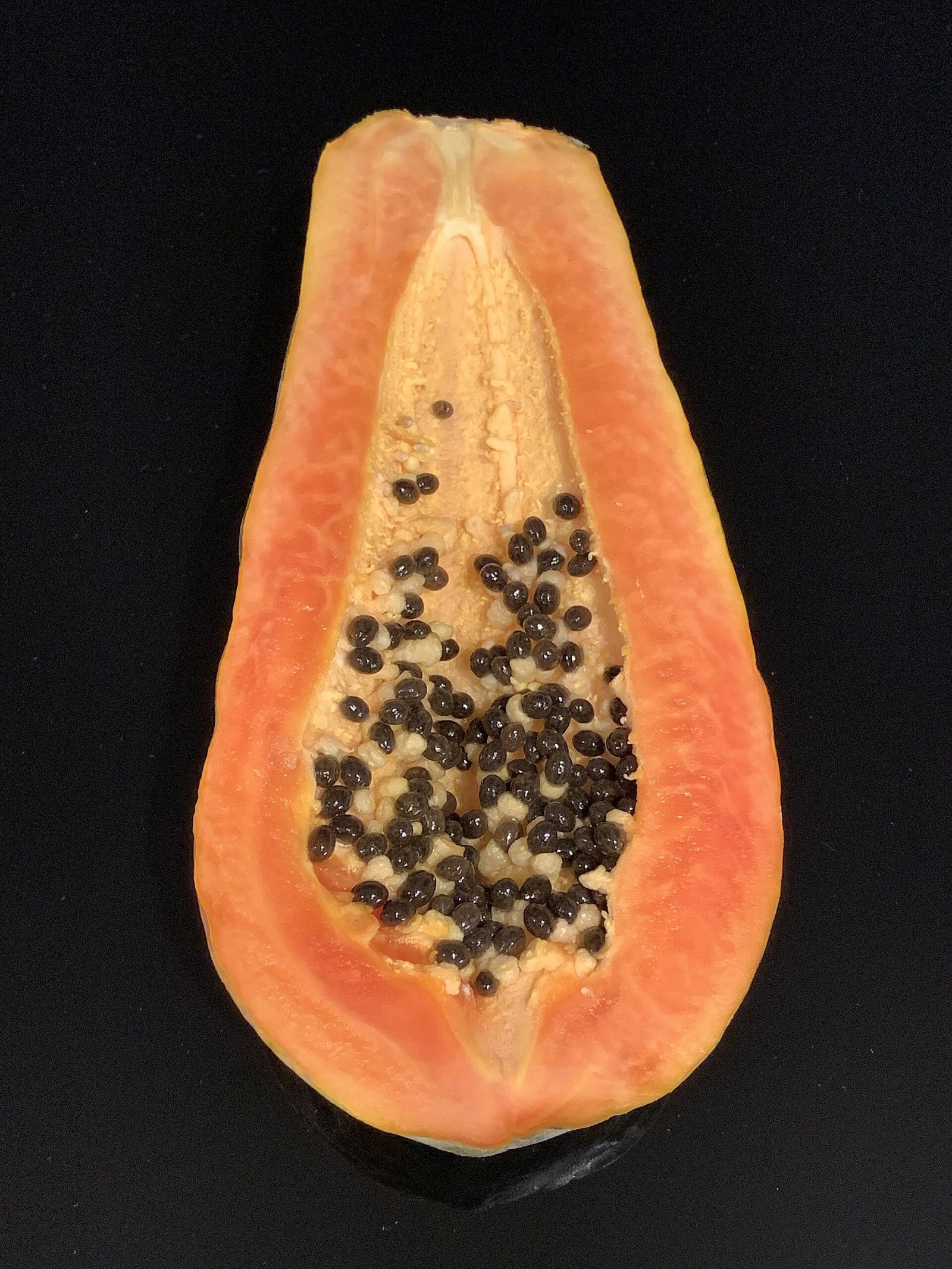
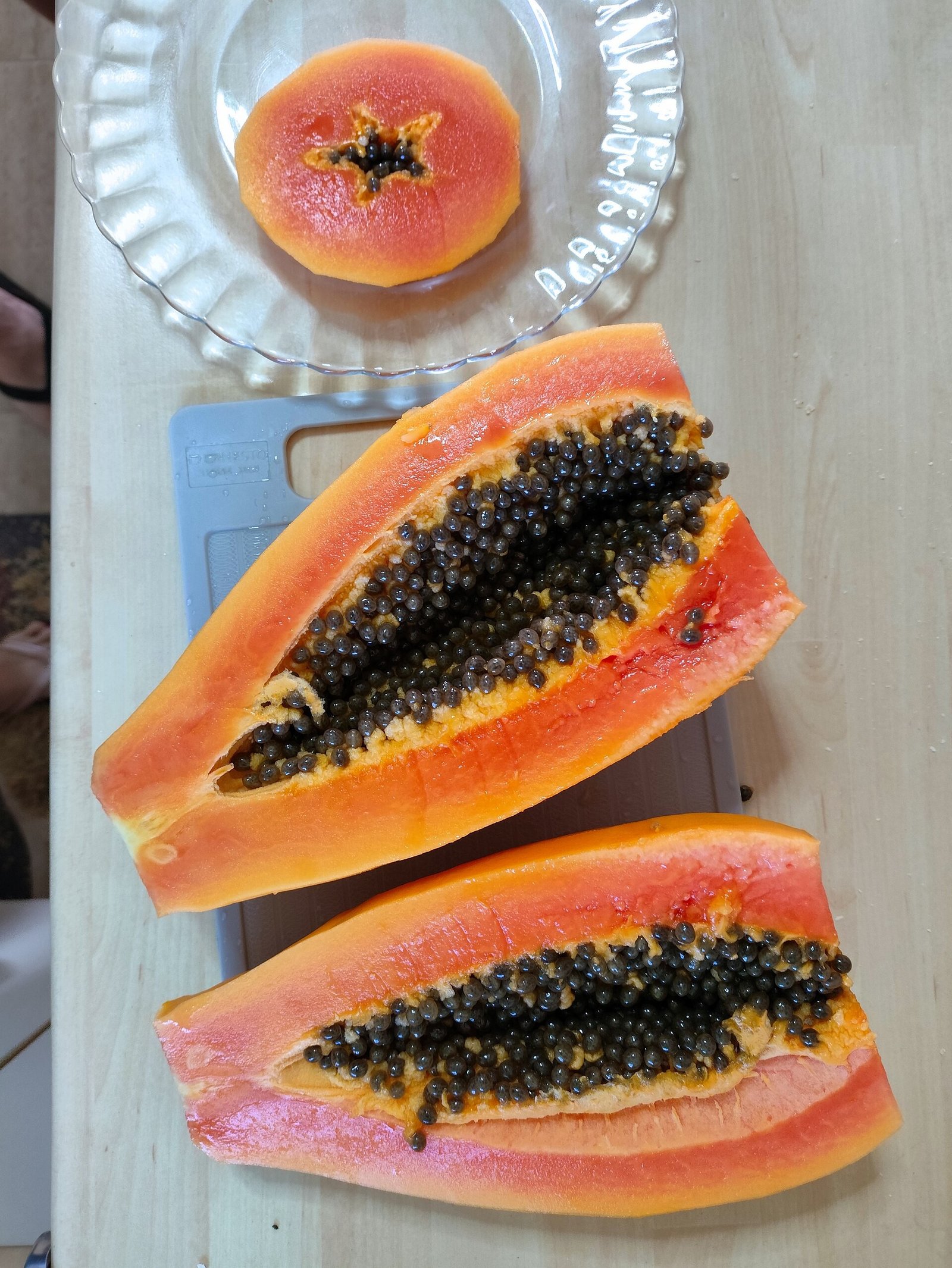
The simplest method is also the best. Choose a ripe papaya (more on ripeness below), cut it in half lengthwise, scoop out the black seeds with a spoon, and eat the flesh straight from the skin or peeled and cubed. A squeeze of lime brightens the flavor beautifully and is the classic serving in many papaya-loving countries.
A few more ideas to rotate through your week:
- Breakfast bowl: Cubed papaya over yogurt or oatmeal with a handful of nuts or granola.
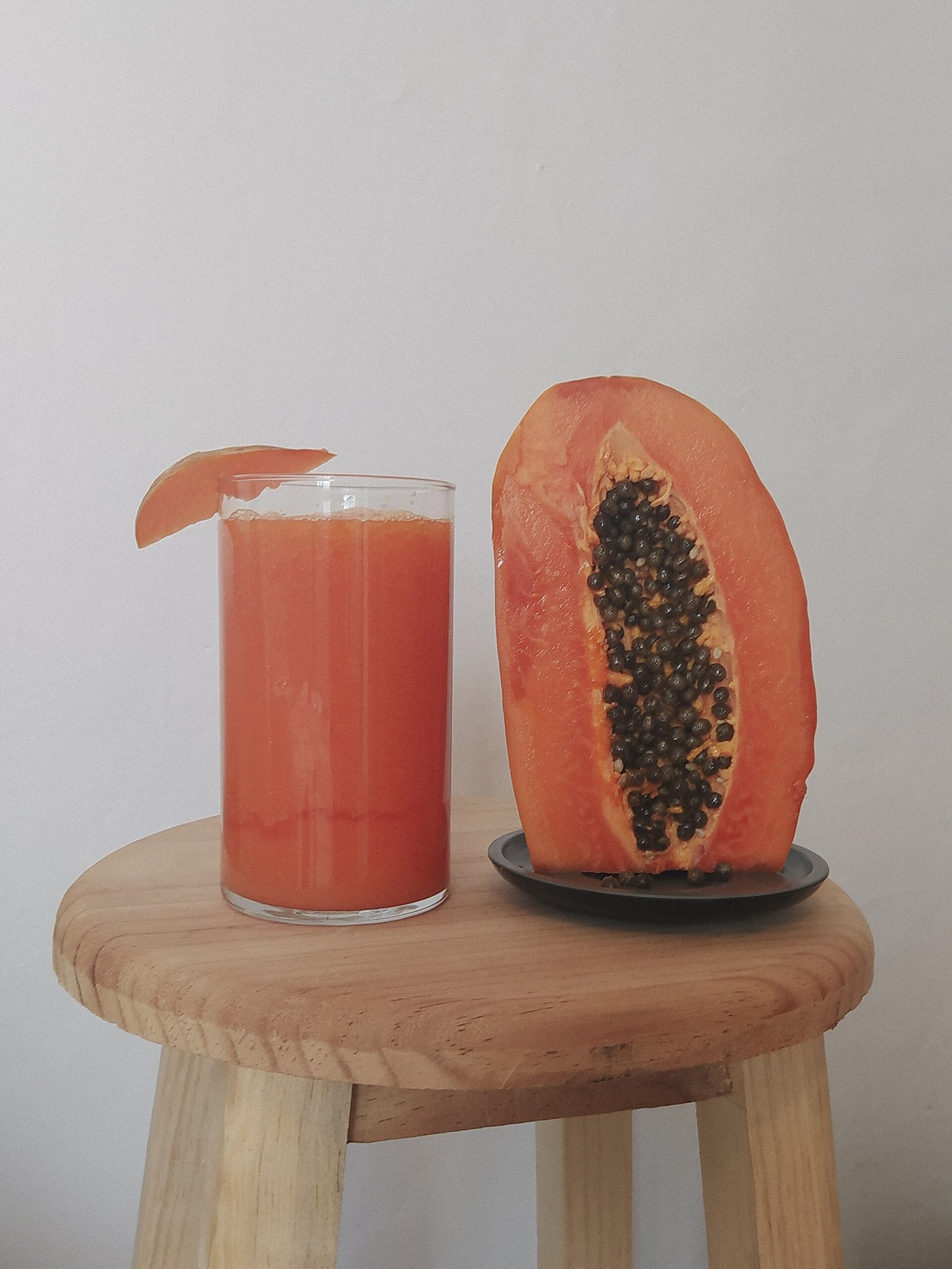
- Smoothies: Blend papaya with banana, mango, or pineapple and coconut water or milk. It makes smoothies naturally creamy and sweet.
- Fruit salads: Combine with berries, melon, and mint for a colorful side that needs no dressing.
- Green papaya salad: Shredded firm green papaya tossed with lime, chili, peanuts, and herbs — crunchy and tangy. Note the cautions below about unripe papaya.
- Grilled papaya: Thick slices brushed with a little honey and grilled briefly caramelize at the edges and make a warm dessert.
- Ice pops: Freeze chunks or blend into molds for a naturally sweet frozen treat.
How Much Papaya per Day Is Sensible?
For most healthy adults, about one cup of cubed papaya — roughly 140 to 150 grams — is a comfortable daily serving, and eating it a few times a week fits easily into the general guidance to eat several servings of varied fruit each day. A small whole papaya can be shared or spread across two servings without any concern for most people.
More is not automatically better. Very large amounts can add up in natural sugars, may loosen your stool, and crowd out other fruits. Let papaya be a regular in your rotation rather than your only fruit.
Side Effects and Who Should Be Careful
For most people, ripe papaya eaten in normal food amounts is safe and well tolerated. It does have specific cautions, though, and they are worth stating clearly.
Latex allergy and cross-reactivity. Papaya contains enzymes, including papain and chymopapain, that are related to proteins in natural rubber latex. People with a latex allergy may react to papaya (and sometimes to related foods like kiwi, banana, or avocado) with itching, hives, swelling, or in rare cases a serious allergic reaction. If you have a known latex allergy, talk to your doctor before eating papaya, and stop and seek help promptly if you notice symptoms after eating it.
Unripe papaya and pregnancy. The milky latex in unripe papaya is rich in papain and has traditionally been considered unsafe during pregnancy, because concentrated papaya latex has been associated in animal research and traditional use with uterine contractions. Ripe papaya in normal food amounts is generally regarded differently from unripe fruit and concentrated extracts, but guidance varies, so the careful approach is this: during pregnancy, avoid unripe papaya, papaya latex, and papain supplements, and check with your own clinician about ripe papaya if you are unsure. This is a situation where asking costs nothing.
Digestive upset from excess. Eating a very large amount at once can cause stomach cramps, bloating, or diarrhea in some people, particularly if you are not used to much fiber. Start with a modest portion if papaya is new to you.
Supplements and medications. Papain is sold in concentrated supplement form, which is not the same as eating fruit. Concentrated papain and papaya extracts may affect blood sugar and may interact with blood-thinning medicines, based on limited reports, so anyone taking anticoagulant medication or medicines for diabetes should discuss papaya supplements — and unusually large amounts of the fruit — with their doctor or pharmacist first. Food-level portions are a different matter, but when in doubt, ask.
The seeds. Papaya seeds contain a compound called benzyl isothiocyanate. Small culinary amounts are generally considered fine for most adults, but large quantities are not recommended, and seeds and seed extracts should be avoided during pregnancy and for young children.
Skin contact. Handling lots of unripe papaya can irritate skin because of its latex, so wear gloves if your hands are sensitive.
This article is general information about a common food, not medical advice. If you have a medical condition, are pregnant, or take regular medication, check with your own healthcare professional about what is right for you.
Frequently Asked Questions
Is it okay to eat papaya every day?
For most healthy adults, yes — a serving of about one cup fits comfortably into a balanced diet. Just keep variety in mind and rotate other fruits through your week so you get a wider mix of nutrients. If a large daily portion starts upsetting your stomach, simply cut back.
Is papaya good for your stomach?
Many people find ripe papaya gentle and satisfying after meals. Its enzyme papain helps break down protein, and its fiber and water support regularity. It is not a treatment for any digestive condition, though, so ongoing pain, reflux, or other symptoms deserve a proper check with a doctor.
Can people with diabetes eat papaya?
Papaya has a moderate glycemic index and its sugar comes packaged with fiber and water, so a modest portion — about a cup, ideally eaten with or after a meal rather than alone — is included in many diabetes-friendly eating plans. Individual responses vary, so follow the guidance of your own care team and monitor how it affects you.
Is papaya safe during pregnancy?
Ripe papaya in normal food amounts is treated differently from unripe papaya, but advice varies and this is not a question to settle with a blog post. Unripe papaya, its latex, and papain supplements should be avoided during pregnancy. For ripe fruit, check with your own clinician and follow their advice.
Should you eat papaya seeds?
You can, in small amounts — they taste peppery and bitter, a bit like mustard and black pepper combined. Some people dry them and grind them as a seasoning. Large amounts are not recommended, and children and anyone who is pregnant should skip them.
When is a papaya ripe enough to eat?
Look for skin that has turned mostly yellow-orange, a sweet smell at the stem end, and flesh that yields slightly to gentle pressure, like a ripe avocado. If it is still firm and green, leave it on the counter for a few days and check daily.
Can papaya improve your skin?
Eating papaya supplies vitamin C, which your body needs to make collagen, plus antioxidants and water that support normal skin health. That is a genuine contribution, but it will not replace sunscreen, sleep, or skincare, and dramatic claims about papaya transforming skin should be treated with skepticism.
Conclusion
Papaya earns its good reputation honestly. It is hydrating, naturally sweet, and unusually generous with vitamin C, while also bringing vitamin A compounds, lycopene, folate, potassium, fiber, and the helpful enzyme papain to your plate. Together, those nutrients may help support your digestion, immune system, eyes, skin, and heart as part of an overall healthy way of eating — no exaggerated promises required.
Keep the cautions in mind, especially around latex allergy and unripe papaya during pregnancy, and enjoy it fresh with lime, blended into breakfast, or tossed into a bright salad.



Pingback: Kiwi Fruit Benefits: 10 Reasons to Eat Kiwi Regularly