
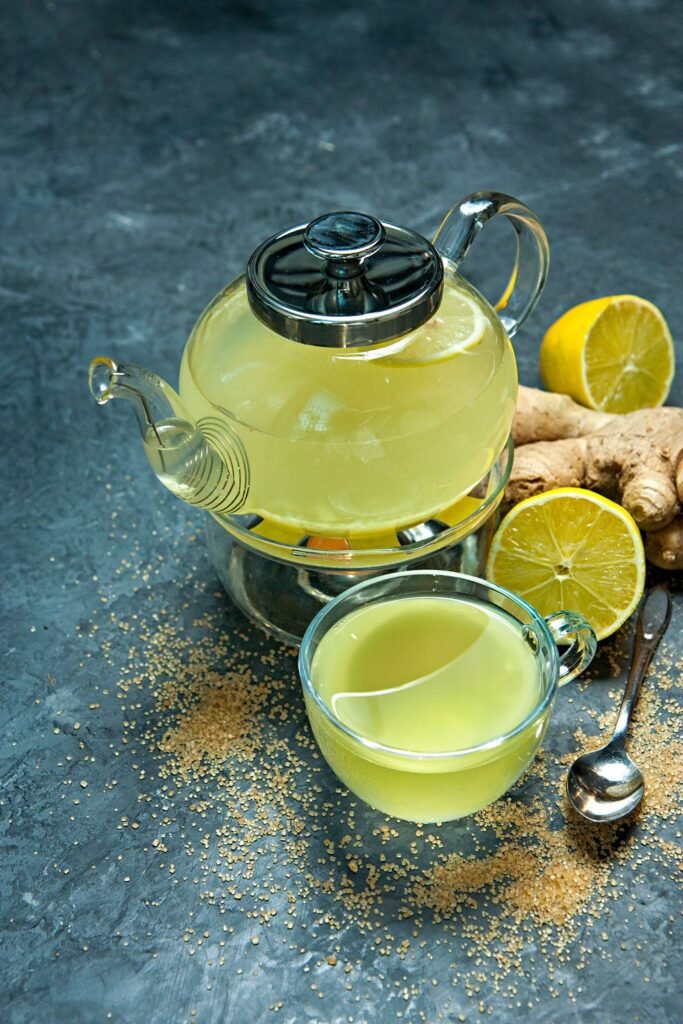

Ginger is one of those ingredients that earns its place in the kitchen twice over. It brings a warm, peppery bite to food and drinks, and it has been valued for centuries in cooking across Asia, the Middle East, and beyond. The part we eat is the rhizome — the knobbly underground stem — usually peeled and then sliced, grated, juiced, or dried into powder.
People care about ginger because it is affordable, easy to find fresh all year, and genuinely versatile. You will find it in tea when you feel run down, in stir-fries and curries, in smoothies, and in baking. A little goes a long way.
This article takes an honest look at ginger benefits for health — what ginger can reasonably do, what the evidence supports, and where the limits are. Ginger is not a medicine and it does not cure anything, but as part of a balanced diet it may help support digestion, ease everyday nausea for some people, and add useful plant compounds to your meals. We will also cover nutrition, simple ways to use it, sensible amounts, and who should be careful.
Quick Benefits at a Glance
- May help support comfortable digestion and ease bloating after meals
- Widely used to help settle nausea, including morning sickness and travel queasiness
- Contains gingerol, a plant compound linked in studies to anti-inflammatory activity
- A warming, comforting choice in teas and soups when you have a cold
- May help support the immune system as part of an overall healthy diet
- Low in calories and adds strong flavour without salt, sugar, or fat
- Easy to use fresh, dried, pickled, or as tea
What Is in Ginger? Nutrition Basics
Fresh ginger is mostly water, with a small amount of carbohydrate and very little protein or fat. Most people use it in small amounts — a thumb-sized piece grated into a dish or a few slices in hot water — so its biggest contribution is flavour and plant compounds rather than calories. Still, it helps to see the standard values.
Approximate nutrition values for fresh ginger root, per 100 grams (about 3.5 ounces):
- Calories: about 80 kcal
- Carbohydrates: about 17.8 g
- Fibre: about 2 g
- Sugars: about 1.7 g
- Protein: about 1.8 g
- Fat: about 0.75 g
- Potassium: about 415 mg
- Magnesium: about 43 mg
- Vitamin C: about 5 mg
- Vitamin B6: about 0.16 mg
These are approximate standard values, similar to USDA-style data. A typical serving in cooking is much smaller — around 10 to 20 grams, or about 1 tablespoon grated — which provides only roughly 8 to 16 calories. Dried ground ginger is more concentrated by weight because the water is removed, so a teaspoon of powder tastes stronger than the same amount of fresh.
Ginger also contains natural compounds that get most of the attention from researchers. The best known is gingerol, which gives fresh ginger its sharp heat. When ginger is dried or cooked for a long time, some gingerol changes into shogaols, compounds with a more pungent character. These are why ginger is studied for digestion, inflammation, and nausea — though the research is promising in places and still limited in others.
How Ginger May Support Digestion
Digestion is probably the most traditional reason people reach for ginger, and it remains one of the most sensible. Many people find that a cup of ginger tea after a heavy meal simply feels good — warm, settling, and less heavy than before.
Ginger is thought to help support the normal movement of food through the stomach, a process called gastric motility. When food sits in the stomach for a long time, it can leave you feeling overly full, gassy, or uncomfortable. Some small studies suggest ginger may help the stomach empty at a more normal pace, which could explain why it is linked to less post-meal discomfort for some people. The evidence is not strong enough to call it a treatment for digestive disorders, but for everyday sluggishness after eating, it is a reasonable, food-first option to try.
If you regularly struggle with indigestion, reflux, or stomach pain, ginger tea is not a substitute for medical advice — persistent symptoms deserve a proper check. As an occasional comfort after a rich meal, though, try three or four thin slices steeped in hot water for 8 to 10 minutes as a gentler way to end the meal.
Ginger for Nausea: What We Know
If ginger is famous for one thing, it is nausea. Ginger candies on long car journeys and ginger tea during pregnancy are familiar scenes for a reason. Among all ginger benefits for health, the nausea link has been explored the most.
Several reviews of small clinical trials have found that ginger may help reduce nausea in some situations, including pregnancy-related morning sickness, motion sickness, and nausea after certain medical procedures. Results are mixed, and the effect, when it appears, tends to be modest rather than complete. Not everyone responds, and ginger does not stop vomiting in all cases. Still, many clinicians consider modest food-level amounts acceptable for many adults, including during pregnancy — though you should always check with your own obstetrician or midwife first, especially before using concentrated supplements.
Researchers think ginger compounds may act on the digestive tract and on signals involved in nausea, but the exact mechanism is not fully settled. For travel, many people keep ginger chews or real ginger tea bags handy. Look for products that list ginger near the top of the ingredients, because some ginger-flavoured sweets and sodas contain very little real ginger. If nausea is severe, persistent, or comes with pain or dehydration, treat that as a medical issue, not something to push through with tea.
A Warming Help During Colds and for Immunity
Ginger will not prevent a cold, and it will not cure one. That needs to be said plainly, because ginger tea is sometimes sold with big promises. What ginger can do is make you feel more comfortable while you recover, and contribute in a small way to a diet that supports your immune system.
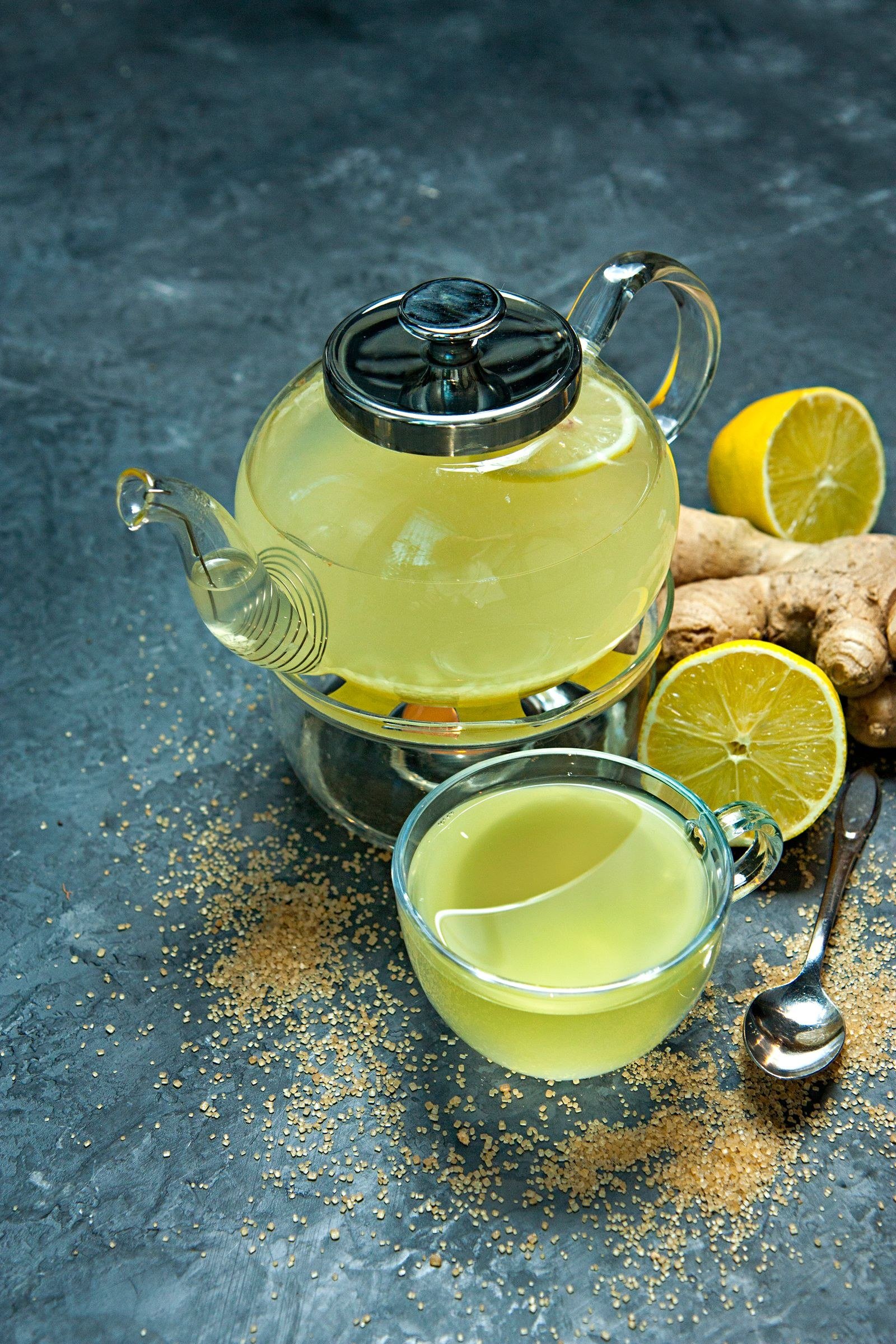
Your immune system depends on sleep, a varied diet with plenty of fruits and vegetables, regular movement, and rest — not on any single food. Within that bigger picture, ginger adds a little vitamin C plus compounds being studied for antioxidant activity, meaning they may help protect cells from some everyday damage caused by unstable molecules called free radicals. The amounts in a normal serving are small, so think of ginger as one useful player in a team. Hot ginger tea with lemon and a little honey (for adults and children over 12 months only — honey is never safe for infants under one year) is also soothing for a scratchy throat and encourages you to drink more fluids. Ginger works well alongside other staples too. If you enjoy warming winter meals, you might also like reading about garlic benefits for health — garlic is another easy way to add depth and plant compounds to soups and broths.
Ginger and Inflammation
Inflammation is your body’s normal response to injury or infection. It becomes a problem when it lingers at a low level for a long time, which is linked in research to a range of long-term health issues. Diet cannot switch inflammation off, but an eating pattern rich in vegetables, fruits, whole grains, and spices is consistently associated with healthier markers.
Gingerol and shogaols have shown anti-inflammatory activity in laboratory and some human studies. The findings are interesting but preliminary in many areas, and some studies use doses more concentrated than what you would normally eat. Eating ginger regularly is a sensible part of a balanced diet; expecting it to treat arthritis or another inflammatory condition on its own would go well beyond the evidence. In the kitchen, ginger and turmeric are natural partners in curries, soups, and warm drinks. If you are curious about that spice, our guide to turmeric benefits for health explains how people use it. Combining spices is really about flavour first: when healthy food tastes good, you are more likely to keep cooking it.
Everyday Aches and Period Discomfort
Some small studies have looked at ginger for muscle soreness after exercise and for joint discomfort, with modest and mixed results. A few trials suggest a small benefit when ginger is taken regularly over several days, rather than as a one-off. It is not comparable to prescribed pain relief, but some active people like adding ginger to smoothies or teas during heavy training weeks as part of their routine.
Ginger has also been studied for period pain. A handful of small trials found that ginger powder in the first few days of a period may help reduce discomfort for some women. The research base is still small, and more work is needed. If period pain is severe, disrupts your life, or has changed recently, that deserves medical attention. Keep expectations realistic: ginger may offer mild support for some people, and a warm drink can be comforting in itself.
Heart Health and Blood Sugar: A Cautious Look
You may see ginger mentioned in connection with cholesterol, blood pressure, or blood sugar. Here the language needs to be especially careful. Some small, short studies — often using supplements rather than food amounts — have reported modest changes in markers such as fasting blood sugar or some blood lipids in specific groups. Other studies show little or no effect. The overall picture is mixed and preliminary.
At home, the practical benefit is indirect but real: using ginger to flavour vegetables, fish, whole grains, and legumes helps you enjoy foods that are already good choices, without lots of salt or rich sauces. Ginger itself should not be relied on to lower cholesterol, control blood pressure, or manage diabetes, and it never replaces medication or follow-up care. If you live with diabetes or heart disease and are interested in supplements or large daily doses, talk to your doctor or pharmacist first.
How to Eat Ginger: Practical Ways to Add It
One of ginger’s best qualities is how many forms it comes in. You do not need anything exotic — a supermarket root and a grater will take you a long way.
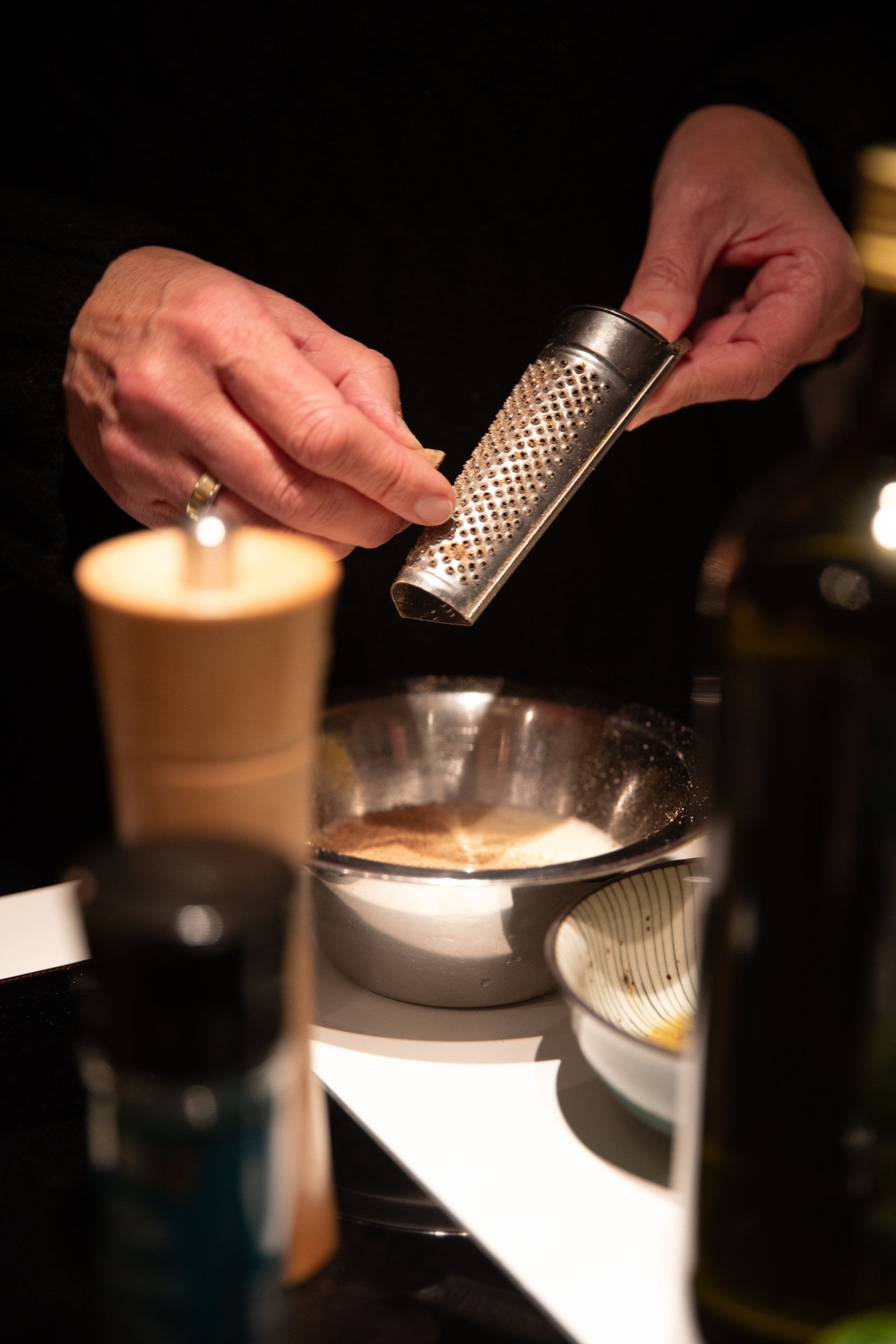
Fresh ginger is the most versatile. Choose firm pieces with smooth, tight skin that snap cleanly rather than bending. Store it in the fridge in a bag or container for up to a few weeks, or freeze it whole — frozen ginger is actually easier to grate straight into a pan. Peel it with the edge of a spoon, which follows the knobbly shape with less waste than a knife. Slice it for teas and broths, grate it for marinades and dressings, or cut it into thin strips for stir-fries.
Ground ginger is warmer and less bright than fresh, and it is the form used in baking — gingerbread, spice cakes, biscuits — and in spice blends. Pickled ginger, the pale slices served with sushi, adds a sweet-sharp bite to rice bowls and salads. Crystallised ginger is coated in sugar, so treat it as a sweet rather than a health food. Ginger tea can be as simple as fresh slices in hot water. Concentrated shots and supplements are not necessary for most people; food forms are cheaper, tastier, and easier to keep in a sensible range.
Simple ideas: stir grated ginger into a stir-fry with garlic, greens, and tofu or chicken; whisk it into a dressing with lime juice and sesame oil for slaws; simmer slices in chicken or vegetable soup; blend a small piece into a mango smoothie; steep it with lemon instead of a second coffee; or add it to carrot soup, where its heat lifts the sweetness beautifully.
How Much Ginger Per Day Is Sensible?
For most healthy adults, ginger used as food — grated into dishes, brewed as tea, or added to smoothies — is enjoyed in ordinary culinary amounts without much thought, and that kind of use has a long track record. When health organisations discuss upper levels for supplements, a commonly cited cautious limit is around 4 grams of ginger per day in total for adults, with lower limits often advised in pregnancy — commonly around 1 gram per day from supplements, which is why personal medical advice matters there.
A typical cup of homemade tea made with a few slices contains far less than those supplement amounts, and you are unlikely to overdo it from normal cooking alone. The situations to watch are concentrated capsules, strong extracts, and multiple ginger shots a day on top of lots of tea. More is not better; large amounts are more likely to cause heartburn than extra benefit. Children can enjoy ginger in normal food amounts, but concentrated supplements are not designed for children, so check with a paediatrician if you are unsure.
Side Effects and Who Should Be Careful
Ginger is generally well tolerated in normal culinary amounts, but “natural” does not mean risk-free for everyone, and concentrated forms deserve respect. In larger amounts, ginger can cause heartburn, stomach discomfort, burping, or diarrhoea in some people. If strong ginger tea reliably gives you heartburn, use less, dilute it, have it with food, or skip it.
Some people should be extra careful. Ginger may have a mild blood-thinning tendency at higher doses, so if you take anticoagulant or antiplatelet medicines such as warfarin, or you have a bleeding disorder, talk to your doctor before using supplements or large daily amounts. For the same reason, some clinicians advise stopping concentrated ginger supplements before surgery. People taking diabetes or blood pressure medication should also check before using supplements, since concentrated ginger could add to the effect of those medicines. If you have gallstones, check with your doctor, as ginger can increase bile flow. During pregnancy, modest food amounts are widely considered acceptable by many health bodies, but supplement doses vary, so get advice from your own care provider. True ginger allergy is uncommon, but it can happen, with symptoms such as rash, itching, or mouth irritation. Never give honey-sweetened ginger drinks to babies under 12 months if honey is included, because honey itself is unsafe at that age.
This article is general information about a common food, not medical advice. If you have a medical condition, take regular medication, or are pregnant, check with your doctor or pharmacist before using ginger in supplement form or in unusually large amounts.
Frequently Asked Questions
Is fresh ginger better than ground ginger?
Both are useful, and neither is simply “better.” Fresh ginger has a brighter, sharper flavour and is ideal for teas, stir-fries, and dressings. Ground ginger keeps much longer, works best in baking and spice blends, and has a warmer taste because drying changes some of its compounds. Use whichever suits the dish.
Can I eat ginger every day?
For most healthy adults, yes — in normal food amounts, daily ginger is fine and can be part of a varied diet. A little grated into cooking or a cup of tea most days is well within amounts people have used in food for a long time. Problems are more likely with concentrated supplements or very large intakes, so keep everyday use culinary and moderate.
Does ginger help with nausea during pregnancy?
Many people use ginger for morning sickness, and reviews of small studies suggest it may help reduce nausea for some pregnant women. The effect is usually modest, and not everyone notices a difference. Because supplement strengths vary, check with your midwife or obstetrician before using capsules or large doses.
How do I make simple ginger tea at home?
Slice or grate about a thumb-sized piece of fresh ginger and steep it in about 2 cups of hot water for 8 to 10 minutes. Strain, then add lemon juice and, if you like, a small teaspoon of honey once it has cooled slightly. Start milder if you are new to it — you can always add more ginger next time.
Can ginger help me lose weight?
Ginger is not a weight-loss product, and no single food causes meaningful weight loss on its own. Where it can help indirectly is by making lower-calorie foods taste great, and unsweetened ginger tea is a flavourful swap for sugary drinks. Those habits can support your overall goals as part of your whole eating pattern, not because ginger burns fat.
What is the best way to store fresh ginger?
Keep unpeeled ginger in a sealed bag or container in the fridge, where it usually stays good for two to three weeks. For longer storage, freeze it whole — it keeps for several months and can be grated from frozen without thawing. Discard pieces that are mouldy or very soft.
Does ginger contain caffeine?
No, ginger itself contains no caffeine. Pure ginger tea made from fresh root is naturally caffeine-free, which makes it a good evening drink for many people. Just check blends carefully — some products mix ginger with black or green tea, which do contain caffeine.
Conclusion
Ginger has earned its reputation honestly — not as a miracle, but as a flavourful, affordable root that makes healthy food taste better and may lend a hand with everyday digestion, occasional nausea, and comfort during colds. Its gingerol compounds are genuinely interesting to researchers, even if many findings are still early.
You do not need shots or complicated routines to enjoy ginger benefits for health. Grate it into a stir-fry, steep it in a mug on a cold evening, or blend a little into a smoothie, and let it do what good ingredients do: make the meals you already eat warmer, brighter, and more satisfying. Start small and keep your portions — and expectations — comfortably realistic.


Pingback: Turmeric Benefits for Health (Curcumin, Uses, and What to Watch For)
Pingback: Garlic Benefits for Health (What Science Actually Says)
Pingback: Chamomile Tea Benefits for Health (Sleep, Digestion, and Calm)